Saturday, June 01, 2024
14 Foods That Can Replace Your Multivitamin
Are you tired of taking multiple pills for your daily dose of vitamins? Discover these 14 delicious and nutritious foods that can provide all the essential nutrients found in a multivitamin. Say goodbye to those hard-to-swallow pills!
How many of us start the day by taking a multivitamin? After all, it seems like a smart move—you get all your essential vitamins in just one or two daily pills. Well, as it turns out, a lot of us have gotten into the routine of taking this easy all-in-one capsule. An estimated one-third of all adults in the United States and one-quarter of children and adolescents take a daily multivitamin.
Why Take a Multivitamin?
Multivitamins are designed to fill nutritional gaps and ensure that you receive your daily recommended intake of various vitamins and minerals. They can be particularly useful for individuals with restricted diets, those who have specific health conditions, or those who struggle to get enough nutrients from food alone. However, not everyone needs a multivitamin. In fact, many of the nutrients you require can be obtained naturally through a well-balanced diet.
14 Foods That Can Replace Your Multivitamin
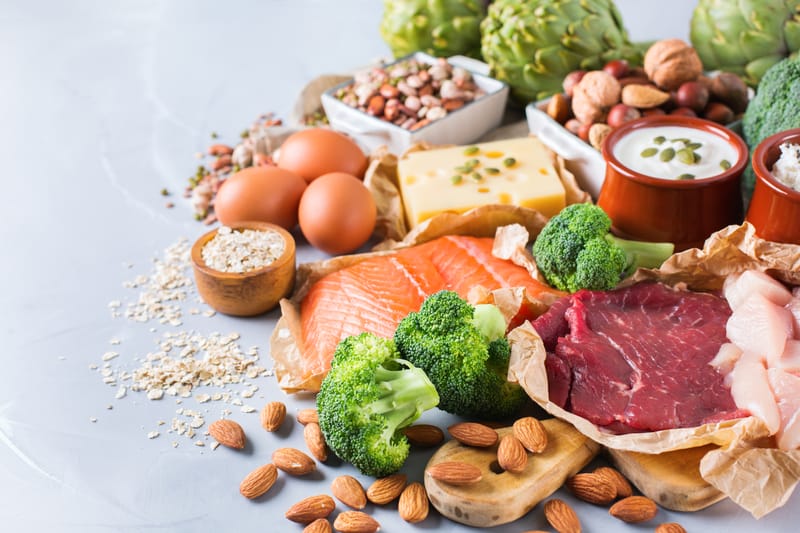
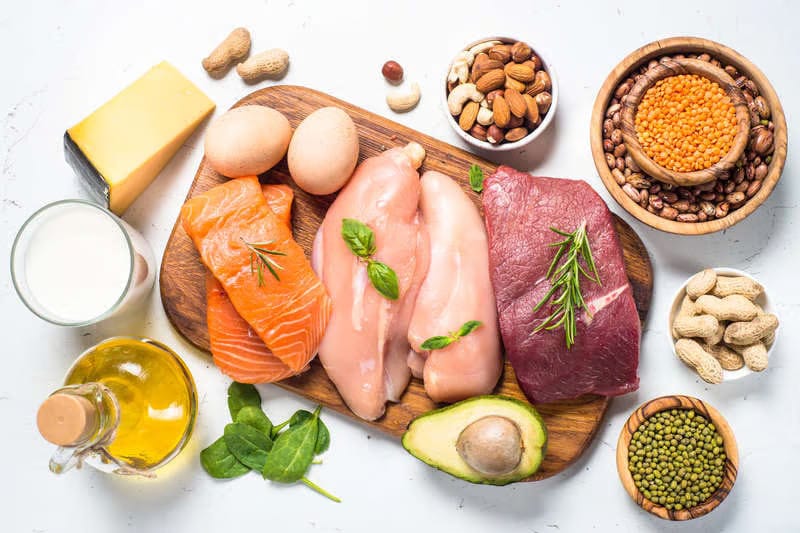
If you're a health enthusiast looking to get your vitamins and minerals from more natural sources, here are 14 foods that can effectively replace your multivitamin:
1. Fish
Fish, especially fatty fish like salmon, mackerel, and sardines, are excellent sources of omega-3 fatty acids, vitamin D, and high-quality protein. Omega-3s are essential for brain function and cardiovascular health, while vitamin D supports bone health and immune function.
2. Dark Leafy Greens
Dark leafy greens such as spinach, kale, and Swiss chard are nutrition powerhouses. They are rich in vitamins A, C, E, and K, as well as folate, iron, calcium, and fiber. These nutrients support eye health, boost immunity, and improve bone strength.
3. Seeds
Seeds, including chia, flax, and pumpkin seeds, are packed with essential nutrients like magnesium, zinc, selenium, and healthy fats. These tiny powerhouses can help reduce inflammation, support heart health, and improve digestion.
4. Pork
Pork is a great source of high-quality protein, B vitamins (especially B1, B6, and B12), iron, and zinc. These nutrients are crucial for energy production, red blood cell formation, and immune function.
5. Broccoli
Broccoli is loaded with vitamins C and K, fiber, and potent antioxidants. Vitamin C is essential for collagen production and immune function, while vitamin K plays a key role in blood clotting and bone health.
6. Beef and Lamb
Beef and lamb are excellent sources of high-quality protein, iron, zinc, and B vitamins. Iron from these meats is highly bioavailable, making it easier for your body to absorb and utilize, which is important for energy levels and overall health.
7. Nuts
Nuts such as almonds, walnuts, and Brazil nuts are nutrient-dense foods rich in healthy fats, protein, fiber, and several vitamins and minerals, including vitamin E, magnesium, and selenium. They support heart health, brain function, and immune system strength.

8. Mushrooms
Mushrooms, particularly varieties like shiitake and maitake, are packed with B vitamins, selenium, and antioxidants. They also contain compounds that can enhance immune function and reduce inflammation.
9. Eggs
Eggs are one of the most nutritious foods you can eat. They are rich in high-quality protein, healthy fats, vitamins A, D, E, and B12, as well as choline, which is crucial for brain health and function.
10. Sweet Bell Peppers
Sweet bell peppers, especially red ones, are high in vitamins A and C, potassium, and fiber. Vitamin C supports immune function, while vitamin A is important for vision and skin health.
11. Peas
Peas are an excellent source of plant-based protein, fiber, vitamins K and C, and several B vitamins. They are great for digestive health, blood clotting, and energy production.
12. Avocados
Avocados are rich in healthy monounsaturated fats, fiber, potassium, and vitamins C, E, K, and several B vitamins. They support heart health, aid in digestion, and improve skin health.
13. Winter Squash
Winter squash varieties like butternut and acorn squash are rich in vitamins A and C, potassium, and fiber. These nutrients support immune function, vision, and digestive health.
14. Dried Fruits
Dried fruits such as apricots, dates, and figs are concentrated sources of essential vitamins and minerals, including iron, potassium, and fiber. They are great for boosting energy levels, improving digestion, and supporting overall health.
Conclusion
While multivitamins can be a convenient way to ensure you're getting enough essential nutrients, they are not always necessary for everyone. By incorporating these 14 nutrient-dense foods into your diet, you can naturally obtain a wide range of vitamins and minerals that your body needs to function optimally.
Remember, it's always best to consult with a healthcare provider or a registered dietitian before making significant changes to your diet or supplement regimen. Eating a balanced and varied diet is the key to long-term health and well-being.
So next time you think about reaching for that multivitamin pill, consider filling your plate with these nutritious foods instead. Your body will thank you!

See other posts like this one:

Wednesday, December 03, 2025
17 Amazing Uses for Epsom Salt (Health, Beauty & Home Benefits Explained)
Monday, December 01, 2025
The 9 Worst Breakfast Foods For Blood Sugar: And Why They Are So Bad
Thursday, June 05, 2025
The Complete Guide to Black Seed Oil: Health Benefits, Uses, and Buying Tips What Is Black Seed Oil?

Wednesday, June 04, 2025
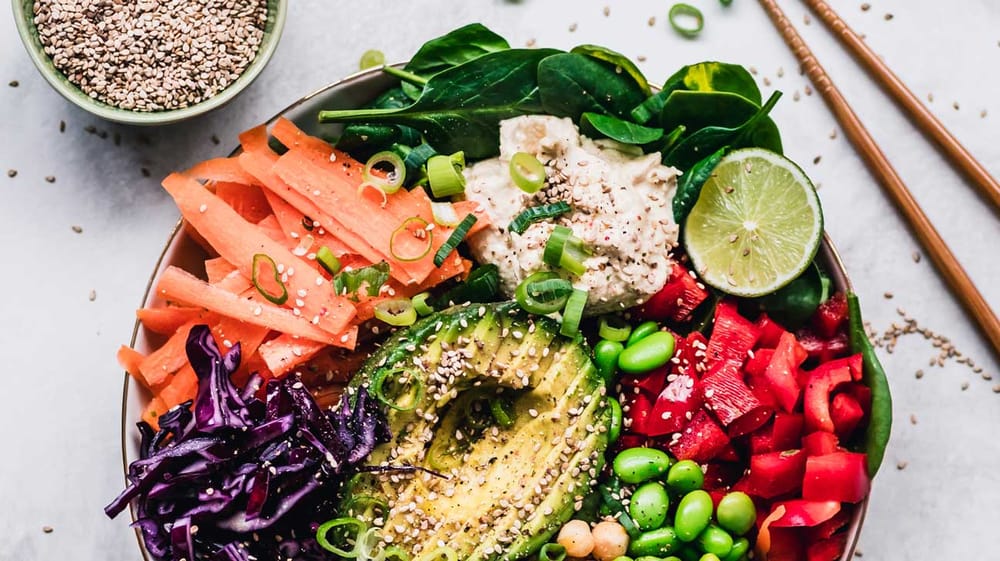
The Ultimate Guide to a Menopause Diet: What to Eat (and Avoid) to Ease Your Symptoms
Wednesday, June 04, 2025
Can One Apple a Day Help You Lose Weight? Why Granny Smith Apples Stand Out

Wednesday, June 04, 2025
Sweet Potatoes vs. Yams vs. White Potatoes: What You Really Need to Know


Monday, May 26, 2025
The Many Uses of Hydrogen Peroxide: From Teeth Whitening to First Aid and More