Friday, October 25, 2024
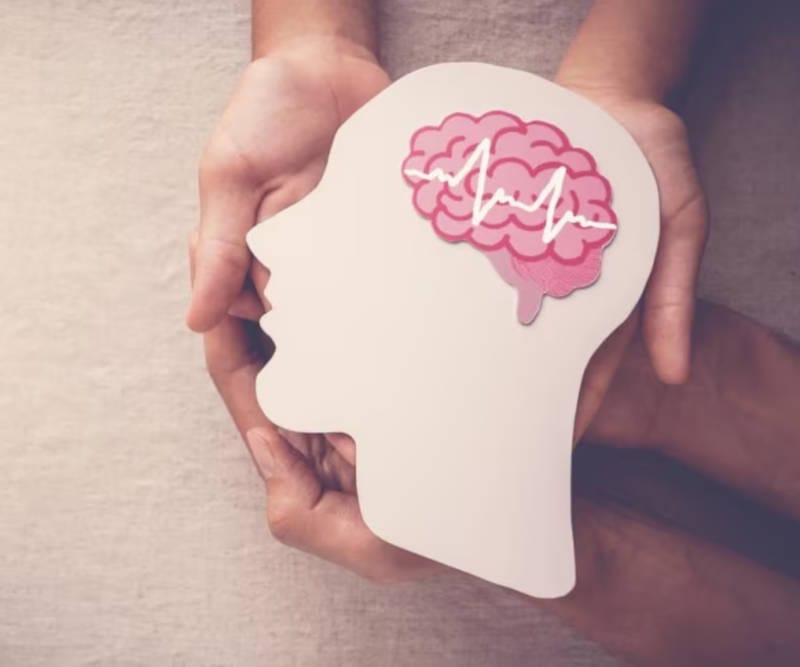
Mind-Blowing Discovery: Antidepressants May Boost Memory
Did you know that taking antidepressants could potentially improve your memory? A new study uncovers the surprising link between mental health and cognitive function.
Have you ever wondered if the medications we take for one condition might just have hidden superpowers? It's a fascinating thought, isn’t it? A recent study has unveiled a surprising link between antidepressants and memory enhancement, an area that has piqued the interest of humanitarian workers, policy makers, global health enthusiasts, and professionals alike. This discovery opens up discussions not only on its implications for mental health treatment but also on its broader impact on cognitive functions—topics that are increasingly relevant in our fast-paced, information-driven world.
Understanding the Role of SSRIs
Selective serotonin reuptake inhibitors (SSRIs) are commonly prescribed to treat depression by increasing levels of serotonin in the brain, often dubbed the “feel-good” hormone. But what if these medications could do more than just lift your mood? What if they could also sharpen your memory and improve cognitive abilities? Intrigued? Let's explore.
Recent research, led by Vibeke Dam at Copenhagen University Hospital, suggests that SSRIs like escitalopram (Lexapro) may indeed enhance memory and thinking skills. Now, before we get carried away, it's important to understand how this works. Researchers have zeroed in on a specific serotonin receptor in the brain called the 5HT4 receptor. It turns out that stimulating this receptor could be the key to unlocking not only mood improvements but also cognitive benefits.
The Study that Sparked the Conversation
This groundbreaking study involved scanning the brains of 90 depressed patients to measure the function of the 5HT4 receptor. These patients were given daily doses of escitalopram for eight weeks. By the end of the study, significant improvements were observed in their cognitive test performances, especially in word recall. This marked enhancement was directly linked to heightened activity in the 5HT4 receptor.
The implications of these findings are profound, suggesting that targeting specific receptors in the brain could offer dual benefits—improving both mood and memory. Dr. Vibe Froekjaer, a clinical professor of neuropsychiatry at Copenhagen University Hospital, emphasizes that this approach may help treat cognitive problems independently of a patient’s depressive symptoms.
Serotonin’s Crucial Role in Cognitive Function
It's not just about feeling good; it's about thinking better too. Serotonin has long been heralded for its role in mood regulation, but its potential impact on cognitive functions is a new frontier worth exploring. This neurotransmitter is crucial to mood improvement, and now it seems to also play a significant role in cognitive enhancement.
By focusing on the 5HT4 receptor, researchers hope to further understand how serotonin can be leveraged to benefit cognitive functions. It's a revelation that makes us question what we thought we knew about brain chemistry and its possibilities.
Beyond the Scope of Depression Treatment
The study's revelations open the door to broader applications beyond treating depression. The next step for the research team is to use drugs that specifically target the 5HT4 receptor and assess their effects on brain function. Interestingly, serotonin is also found in the gut, and certain irritable bowel syndrome drugs already bind to these receptors.
This cross-disciplinary insight not only broadens our understanding of serotonin's role but also highlights the potential for shared treatments across different health issues. It's a testament to the interconnectedness of our bodily systems and the untapped potential of existing medications.

Implications for Global Health and Policy
For global health professionals and policymakers, these findings could reshape strategies for mental health and cognitive care. Imagine a world where a single medication could address multiple facets of health. With the growing emphasis on mental health globally, this dual-benefit approach could streamline treatments and improve patient outcomes.
The European College of Neuropsychopharmacology's annual meeting in Milan served as a platform to present these findings, highlighting the study’s significance in the larger context of neuropsychopharmacology.
The Broader Impact on Humanitarian Work
Humanitarian workers could also see an impact from these findings. The potential to enhance cognitive function in individuals who are dealing with mental health challenges could lead to more effective interventions and support systems. Being able to think more clearly and remember better could empower individuals to overcome personal and professional hurdles more efficiently.
Insights from the Oxford Connection
Philip Cowen, a professor of psychopharmacology at the University of Oxford, supports the study's conclusions. While he wasn't involved in the research, he acknowledges the significant role of 5HT4 receptors in cognitive function. His team's work with the 5HT4 receptor stimulant prucalopride has similarly shown potential in improving memory, even in those at risk of depression.
This cross-validation adds an extra layer of credibility to the study's findings, reinforcing the notion that we are only beginning to understand the full potential of SSRIs for cognitive benefits.
A New Horizon for Cognitive Enhancement
The intersection of mood improvement and cognitive enhancement offers exciting possibilities for future research and application. Imagine a world where depression medication not only lifts your spirits but also sharpens your mind. This dual benefit could revolutionize how we view mental health treatments and their role in enhancing overall cognitive performance.
Practical Applications and Future Research
The challenge now lies in translating these findings into practical applications. For health professionals and policymakers, the task is to integrate this knowledge into existing frameworks and explore new treatment protocols. Further research will no doubt continue to unravel the complexities of SSRIs and their broader impact on cognitive functions.
Encouraging Personal Growth and Self-Improvement
For individuals, understanding the potential cognitive benefits of SSRIs can inspire a more informed approach to mental health. By being open to new possibilities and questioning existing beliefs, we can foster personal growth and self-improvement.
Conclusion
The discovery that antidepressants like escitalopram may also boost memory opens up exciting new avenues for mental health treatment. It challenges us to rethink the role of serotonin in our brains and consider the broader applications of existing medications. For humanitarian workers, policymakers, global health professionals, and enthusiasts, this study offers valuable insights into the potential for more comprehensive health interventions.
Moving forward, the integration of these findings into mental health care will require collaboration across disciplines and a commitment to exploring new treatment paradigms. For those inspired by this study, continued exploration and engagement with the latest research will be crucial. Together, we can work towards a future where mental health treatments offer multifaceted benefits, improving both mood and cognitive function for individuals worldwide.

See other posts like this one:

Wednesday, December 03, 2025
17 Amazing Uses for Epsom Salt (Health, Beauty & Home Benefits Explained)

Monday, December 01, 2025
The 9 Worst Breakfast Foods For Blood Sugar: And Why They Are So Bad

Thursday, June 05, 2025
The Complete Guide to Black Seed Oil: Health Benefits, Uses, and Buying Tips What Is Black Seed Oil?


Wednesday, June 04, 2025
The Ultimate Guide to a Menopause Diet: What to Eat (and Avoid) to Ease Your Symptoms


Wednesday, June 04, 2025
Can One Apple a Day Help You Lose Weight? Why Granny Smith Apples Stand Out


Wednesday, June 04, 2025
Sweet Potatoes vs. Yams vs. White Potatoes: What You Really Need to Know


Monday, May 26, 2025
The Many Uses of Hydrogen Peroxide: From Teeth Whitening to First Aid and More