Friday, September 06, 2024
Discover the Healing Touch of Dry Needling for Muscle Recovery
Are you looking for a new way to ease muscle pain and speed recovery? Dry needling might be the answer. Learn more about this modern technique and how it can benefit your body.
Have you ever found yourself sidelined by muscle pain just when you're about to hit a new personal best or finally enjoy that relaxing weekend? Whether you're an athlete striving for peak performance or a fitness enthusiast committed to a consistent routine, muscle soreness and stiffness can be frustrating. Enter dry needling—a modern therapy offering hope for faster recovery and less pain. In this blog, we’ll explore what dry needling is, how it works, and why it may be the secret weapon missing from your wellness arsenal.
Understanding Dry Needling
A Brief History of Dry Needling
Dry needling is a relatively recent addition to the world of physical therapy. It emerged in the late 20th century, stemming from research on using needles to relieve muscle tension without injecting medication. Unlike acupuncture, which has centuries-old roots in Chinese medicine, dry needling is based on Western medical principles and targets specific muscle knots known as trigger points.
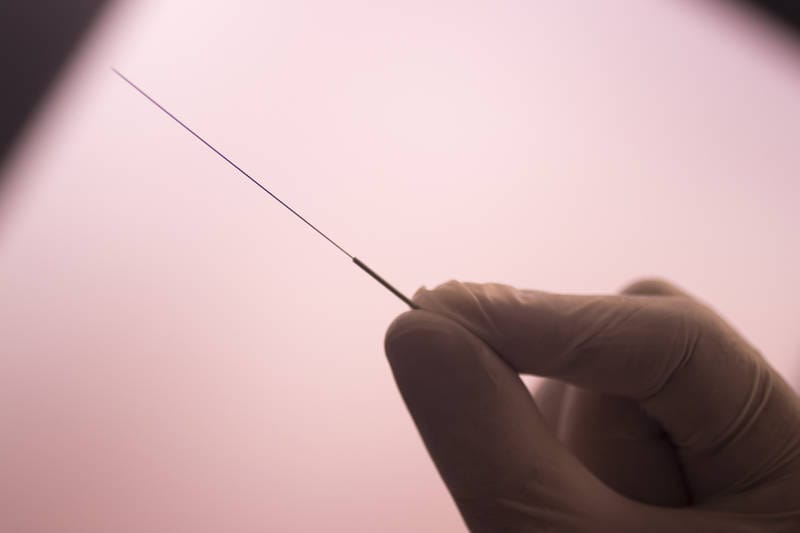
Dry needling involves inserting thin, solid needles into these trigger points to alleviate pain and improve functionality. The practice has gained traction among athletes, trainers, and therapists for its effectiveness in addressing muscle tightness and improving flexibility.
How Does Dry Needling Differ From Acupuncture?
While both dry needling and acupuncture use needles, they are distinct practices with different goals and methodologies. Acupuncture focuses on balancing the body's energy flow or Qi along meridians, while dry needling targets musculoskeletal pain by directly addressing muscle knots.
In dry needling, needles are inserted into the muscle's trigger points, causing a twitch response that releases tension. This direct approach is grounded in anatomy and physiology, making it a popular choice for those looking to enhance their physical performance or recover from injuries.
The Science Behind Dry Needling
How Does Dry Needling Work?
When a needle is inserted into a trigger point, it creates a localized twitch response. This involuntary muscle contraction disrupts the pain-tension cycle, potentially leading to reduced muscle tightness and increased blood flow. The exact mechanisms are still under research, but studies suggest dry needling may stimulate the body's natural healing processes.
By activating certain biochemical responses, dry needling can reduce inflammation and promote the release of endorphins—those feel-good chemicals that help alleviate pain. This makes it a powerful tool for athletes seeking a holistic approach to managing their muscle health.
Common Uses of Dry Needling
Dry needling is versatile in addressing various musculoskeletal issues:
- Pain Relief: By targeting trigger points, dry needling can alleviate both acute and chronic pain, providing relief from conditions like back pain, neck tension, and migraines.
- Enhanced Mobility: Releasing muscle knots can improve flexibility, allowing for a greater range of motion and better performance during physical activities.
- Faster Recovery: Athletes and fitness enthusiasts often turn to dry needling to enhance recovery, reduce muscle soreness, and optimize training results.
Conditions Improved by Dry Needling
Numerous conditions have been shown to benefit from dry needling:
- Chronic Pain: Conditions like fibromyalgia or plantar fasciitis.
- Injury Recovery: From tennis elbow to sciatica.
- Sports Performance: Supporting optimal function and reducing downtime.
Research indicates that dry needling, especially when combined with other therapeutic interventions, can provide significant relief and improve the quality of life for many individuals.

Finding a Dry Needling Practitioner
Where Can You Get Dry Needling?
If dry needling sounds like a technique you'd like to try, it's important to find a qualified practitioner. This therapy is typically performed by trained healthcare professionals, such as physical therapists, chiropractors, or athletic trainers. They undergo specialized training to ensure safe and effective treatment.
When seeking a practitioner, ensure they are certified and experienced in dry needling. You might also consider asking for recommendations from fellow athletes or fitness enthusiasts who have benefited from the practice.
What to Expect During a Dry Needling Session
Before your first session, it's wise to prepare by staying hydrated and wearing comfortable clothing. Communication with your practitioner is key—discuss any medical conditions or concerns you may have.
During the session, you'll typically lie down in a relaxed position. The practitioner will identify trigger points and insert thin needles into the muscle. You might feel a slight prick followed by twitching, but discomfort is generally minimal. Sessions usually last between 20 and 40 minutes, and multiple sessions may be needed for optimal results.
Does Dry Needling Hurt?
For those who cringe at the thought of needles, dry needling is less intimidating than it seems. Many people report only mild discomfort as the needle enters the skin, followed by a twitching sensation. Post-session soreness is common but usually subsides quickly, often leaving muscles feeling looser and less painful within days.
Safety and Considerations
Is Dry Needling Safe?
Dry needling is generally considered safe when performed by a trained professional. However, it may not be suitable for everyone. For instance, pregnant women, individuals with bleeding disorders, or those with an intense fear of needles should explore other options.
Mild side effects can include bruising or muscle soreness, but these are typically short-lived. Always discuss any concerns with your practitioner before beginning treatment to ensure it's the right choice for you.
Conclusion
Why Dry Needling Might Be Right for You
Dry needling offers a promising and growing technique for managing pain, enhancing recovery, and supporting muscle health. Whether you're an athlete striving to optimize your performance or someone seeking relief from chronic pain, dry needling could be a valuable addition to your routine.
By incorporating dry needling into a comprehensive health plan—alongside practices like stretching, regular exercise, and massage—you can take a proactive step towards better muscle function and pain management. If you're curious to explore this therapy further, consider reaching out to a qualified practitioner today.
Remember, everybody is unique, so finding the right mix of techniques tailored to your needs is key to achieving your best performance and well-being.

See other posts like this one:
Wednesday, December 03, 2025
17 Amazing Uses for Epsom Salt (Health, Beauty & Home Benefits Explained)

Monday, December 01, 2025
The 9 Worst Breakfast Foods For Blood Sugar: And Why They Are So Bad
Thursday, June 05, 2025
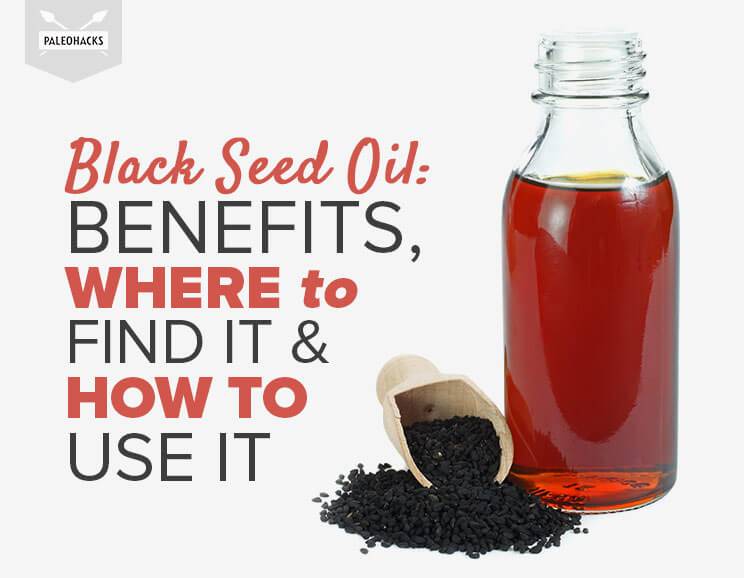
The Complete Guide to Black Seed Oil: Health Benefits, Uses, and Buying Tips What Is Black Seed Oil?
Wednesday, June 04, 2025
The Ultimate Guide to a Menopause Diet: What to Eat (and Avoid) to Ease Your Symptoms

Wednesday, June 04, 2025
Can One Apple a Day Help You Lose Weight? Why Granny Smith Apples Stand Out

Wednesday, June 04, 2025
Sweet Potatoes vs. Yams vs. White Potatoes: What You Really Need to Know

Monday, May 26, 2025
The Many Uses of Hydrogen Peroxide: From Teeth Whitening to First Aid and More