Monday, June 03, 2024
14 Foods that Help You Heal After Injury or Illness
Discover the top foods to incorporate into your diet after an injury or illness to help speed up the healing process and get you back on your feet. Improve your recovery with these simple dietary changes.
When your body has been through a trauma, whether it's from a fall, a surgical procedure, or battling an illness, proper nutrition becomes even more crucial. It's the time when your body's demand for nutrients skyrockets, as it needs to rebuild and repair tissue. But the question often arises – what should you be eating to help your body recover? In this extensive guide, we'll explore 14 foods that have been scientifically backed to aid in recovery and support your healing process.
The list that follows is a blend of foods known for their high nutritional value and medical foods that have proven track records in helping the body regain its strength. Remember, it's always best to consult with a nutritionist, especially if you have dietary restrictions or specific health conditions.
How Much Should You Eat to Help Your Body Recover?
Determining the amount of food you should consume while recuperating is a highly individual process. Factors such as the severity of the injury, your current weight, and your activity level all play a role. In general, consuming a balanced diet with a variety of the foods outlined below will support the recovery process. The key is to eat enough to sustain energy levels but not so much that it leads to unnecessary weight gain.
14 Foods That Help You Heal
Here's an in-depth look at 14 foods that are particularly beneficial for healing after an injury or illness.
1. Eggs
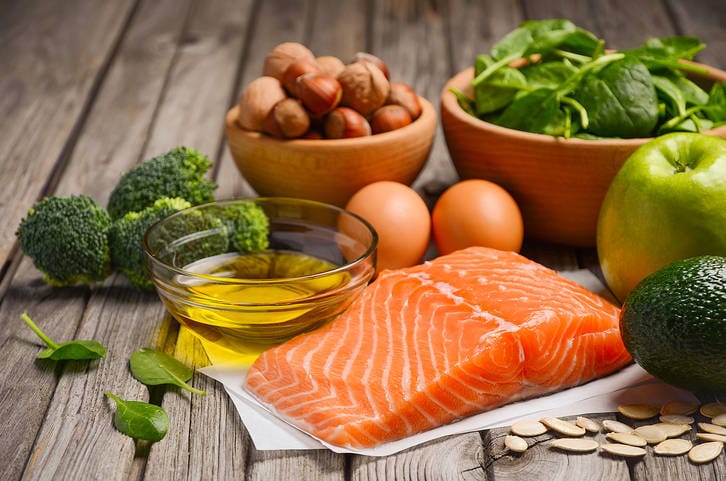
Eggs are a nutritional powerhouse, packed with high-quality protein that can aid in the healing process, particularly for those with cuts, burns, and any soft tissue injuries. They are also rich in vitamins B12 and D, both of which are crucial for nerve function and maintaining strong bones.
2. Salmon
This type of fatty fish is an excellent source of omega-3 fatty acids, which are known for their anti-inflammatory properties. They also contain high levels of protein and vitamin D, both of which play critical roles in bone health and tissue repair.
3. Poultry
Chicken and turkey are lean sources of protein, which is essential for repairing muscle and skin injuries. They also provide the body with a good dose of iron, which is necessary for producing hemoglobin, the protein in red blood cells that carries oxygen to the body's tissues.
4. Shellfish
Shellfish such as oysters, clams, and crab are loaded with zinc – a mineral that supports the immune system, helps heal wounds, and is important for proper growth and development.
5. Collagen
Collagen is the most abundant protein in your body and is the building block for skin, bones, cartilage, and ligaments. Consuming collagen-rich foods or supplements may help repair damaged tissues more effectively.
6. Greek Yogurt
High in protein and low in sugar, Greek yogurt can provide your body with the energy it needs to recover. It's also a good source of probiotics, which can aid in digestive health, something that is often compromised during illness.
7. Leafy Greens
Spinach, kale, and other leafy greens are packed with vitamins A and C, which are crucial for maintaining the health of the skin, membranes that guard against infection, and the linings of the respiratory and digestive tracts.

8. Cruciferous Vegetables
Vegetables like broccoli, Brussels sprouts, and cauliflower offer plenty of vitamins, minerals, and fiber. They are also high in antioxidants that can help reduce inflammation and promote better overall health.
9. Berries
Blueberries, strawberries, and raspberries are not only delicious but are also full of antioxidants. These can help protect cells from damage and reduce inflammation, both of which are key to the healing process.
10. Sweet Potatoes
Sweet potatoes are an excellent source of beta-carotene, an antioxidant that the body converts into vitamin A. This vitamin is important for immune function and aids in the growth and repair of body tissues.
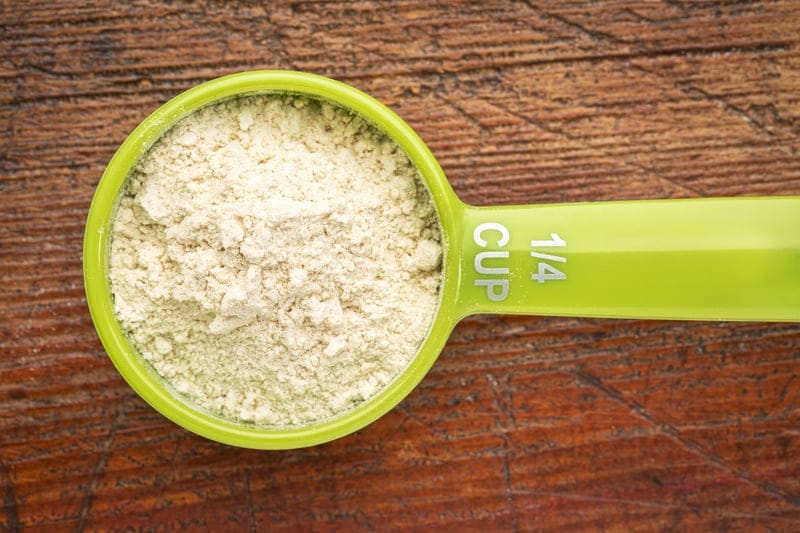
11. Whey Protein
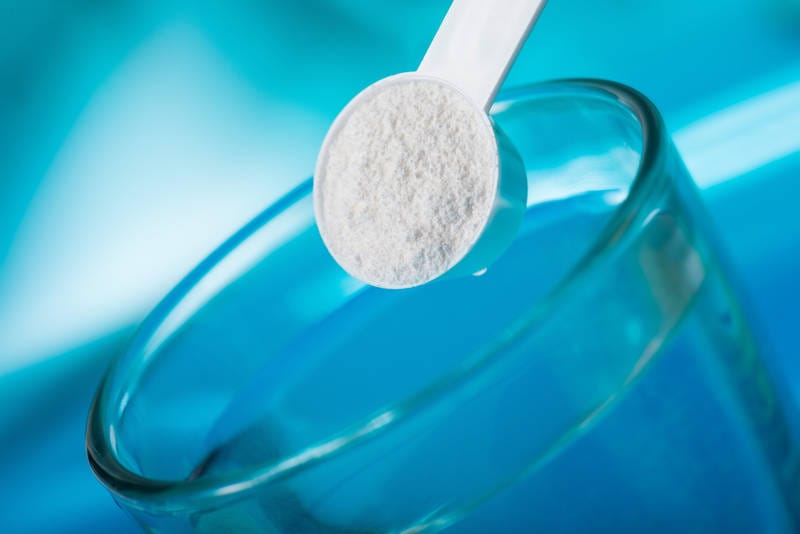
Whey protein is a complete source of protein and is rich in the amino acid leucine, which is known to promote muscle protein synthesis. This can be particularly beneficial for individuals with muscle injuries or during the recovery from surgery.
12. Mushrooms
Certain types of mushrooms contain compounds that can help modulate the immune system. They also have anti-inflammatory properties that can support the healing process.
13. Nuts and Seeds
Almonds, walnuts, chia seeds, and flaxseeds can provide healthy fats, protein, and fiber, all of which can support an efficient recovery. They also contain a variety of vitamins and minerals that are good for your overall health.
14. Green Tea (or Black, White, or Oolong)
Tea contains compounds called catechins, known for their powerful antioxidant properties. Catechins have been shown to speed up liver recovery after injury and improve gut health, which can often be disrupted during periods of illness.
Remember, while these foods contain nutrients beneficial for recovery, it is also essential to listen to your body's cues. Hydration, proper rest, and not overeating are equally important in the healing process. A proactive approach to consuming a balanced diet can make a significant difference in your healing timeline.
Integrating these healing foods into your meal plans can go a long way in supporting your body's natural ability to heal itself. Whether you're recovering from a short-term illness or a severe injury, your dietary choices can play a vital role in your recovery, helping you get back to health and wellness as quickly as possible.

See other posts like this one:


Friday, August 30, 2024
Moderation and Mindfulness: The Secret to Drinking Beer Without the Hangover






Friday, July 12, 2024
Delight Your Taste Buds with Red Pepper and Mozzarella Stuffed Chicken Caprese