Thursday, June 13, 2024
15 Easy Ways You Can Help Reduce Food Waste
Want to make a positive impact on the environment? Check out these 15 simple and practical tips for reducing food waste in your daily life.
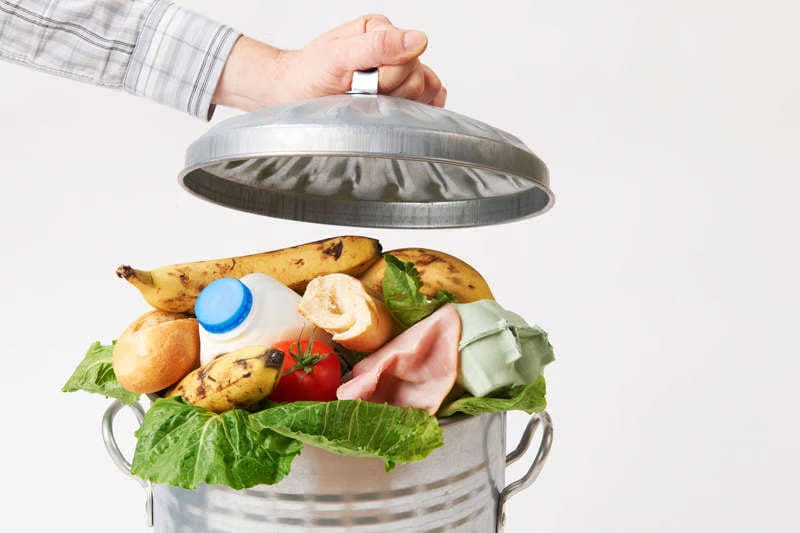
While over 11% of households, or 37.2 million Americans, including 11.2 million children, don’t have enough to eat, up to 40% of food ends up in landfills rather than filling hungry bellies, according to the USDA (United States Department of Agriculture). That’s a waste of over $161 billion in food every year. This waste doesn’t only affect our pocketbooks; it also contributes significantly to greenhouse gasses. In short, there are many compelling reasons to reduce food waste.
Why Do We Waste So Much Food?
Understanding why we waste so much food is the first step toward finding solutions. Several factors contribute to this issue:
- By addressing these key issues, we can significantly reduce the amount of food that goes to waste. Here are 15 practical tips to get you started on your food waste reduction journey.
- Improper Storage: Not storing food correctly can lead to spoilage.
- Large Portions: Serving sizes that are too large often result in leftover food that is not reused.
- Misunderstanding Expiry Dates: Many people throw away food that is still safe to eat because they misinterpret "best by" and "use by" dates.
- Cosmetic Standards: Perfect-looking produce often leads to the disposal of "ugly" but still-edible fruits and vegetables.
- Over-purchasing: Shopping without a plan often leads to buying more than we need.

How to Reduce Food Waste
- Shop Smart: Be mindful of sales and bulk buys. While it might seem economical to buy in bulk, it can lead to waste if you don't use the food before it spoils. Only buy what you can consume within a reasonable timeframe.
- Educate Your Household: Make food waste reduction a family or household effort. Educate everyone on the importance of minimizing waste and encourage participation in meal planning, cooking, and storage activities.
- Grow Your Own Food: Growing your own herbs, vegetables, and fruits can be incredibly rewarding and reduces the need to buy more than you can consume. Plus, you can harvest exactly what you need.
- Buy Ugly Produce: Support stores and markets that sell "ugly" produce. These fruits and vegetables may not look perfect, but they are just as nutritious and delicious.
- Use All Edible Parts: Learn to use all parts of your produce. For example, carrot tops can make a great pesto, and broccoli stems can be sliced into stir-fries. There are many recipes online that can help you make the most of your food.
- Keep an Inventory: Regularly take stock of what you have in your pantry, fridge, and freezer. Keeping an inventory helps you avoid buying duplicates and reminds you to use items before they expire.
- Freeze Extras: If you've cooked more than you can eat, freeze the leftovers. This is an excellent way to preserve food for future meals, especially if you’re unsure when you’ll have time to cook again.
- Donate Excess Food: If you have non-perishable items you won’t consume, consider donating them to local food banks or shelters. Many communities have programs to redistribute food to those in need.
- Compost Scraps: Not all food waste is avoidable, but you can still make use of it by composting. Composting reduces waste and creates nutrient-rich soil for gardening.
- Portion Control: Be mindful of portion sizes when cooking and serving food. Start with smaller portions; you can always go back for seconds if needed.
- Repurpose Leftovers: Get creative with your leftovers. Yesterday’s dinner can become today’s lunch. Soups, salads, and casseroles are great ways to repurpose leftovers into delicious new meals.
- Use a FIFO System: Adopt the "First In, First Out" method in your pantry and fridge. Place newer items at the back and older ones at the front. This way, you'll use up the older items before they go bad.
- Understand Expiry Dates: "Best by" dates are often about quality, not safety. Learn to understand the difference between these dates and trust your senses. If it looks, smells, and tastes fine, it probably is.
- Store Food Properly: Proper storage can extend the life of your food. Store fruits and vegetables in the right places (e.g., some items like potatoes and onions should not be refrigerated), and use airtight containers to keep perishable items fresh longer.
- Plan Your Meals: Before heading to the grocery store, take some time to plan your meals for the week. Make a list of ingredients you need and stick to it. This helps prevent impulse buys and ensures you only purchase what you will use.

See other posts like this one: