Monday, June 03, 2024
18 Best Prebiotic Foods You Need in Your Diet
Discover the top prebiotic foods that can improve your gut health, boost your immune system, and aid with digestion. Add these essential foods to your diet today!
You've heard of probiotics, those live bacteria and yeasts that are good for your digestive system, but have you met their essential companions—prebiotics? These nondigestible fiber compounds that help probiotics grow and flourish are an often overlooked but crucial part of maintaining gut health. Not only do prebiotics aid in digestion, but they also strengthen the immune system and contribute to an overall sense of well-being. With so many benefits, it’s no wonder health experts and enthusiasts alike are on the lookout for the best prebiotic foods.
Curious to find out which kitchen staples you might already have or which delicacies are worth adding to your grocery list? Here are 18 of the best prebiotic foods you should introduce to your diet.
18 Best Prebiotic Foods
1. Apples
The age-old adage "an apple a day keeps the doctor away" isn't just a catchy rhyme. Apples, particularly when eaten with the skin on, are rich in pectin, a type of soluble fiber that has prebiotic qualities. Pectin acts as a fermented substrate for gut flora and can lead to the production of short-chain fatty acids, which are essential for colonic health.
2. Asparagus
These tender springtime spears offer the double benefit of being a prebiotic food and a source of inulin, a type of prebiotic fiber that increases the activity of beneficial bifidobacteria in the gut. Whether roasted, sautéed, or lightly steamed, asparagus is a versatile and delicious way to pump up your prebiotic intake.
3. Bananas
Bananas aren’t just packed with potassium—they’re also rich in inulin. The greener the banana, the higher its content of this resistant starch, as it decreases as the fruit ripens. Green bananas are slightly tougher on the taste buds but incredibly good for your gut.
4. Barley
Barley is not just a hearty grain; it’s a prebiotic powerhouse thanks to its high beta-glucan content. This soluble fiber moves slowly through the digestive tract, making it a fantastic food for stabilizing blood sugar and aiding in the growth of friendly gut bacteria.
5. Chia Seeds
These tiny, nutrient-dense seeds are a rich source of soluble fiber, giving them prebiotic perks. Chia seeds form a gel-like substance in the gut that is both soothing and conducive to healthy microflora. Add them to smoothies, oatmeal, or bake them into bread for an easy boost.
6. Cocoa
Who says prebiotics can’t be indulgent? Cocoa powder is surprisingly high in fiber and contains oligosaccharides that act as a prebiotic within the digestive system. But make sure to choose unsweetened varieties to maximize the health benefits and minimize added sugars.
7. Dandelion Greens
These slightly bitter greens may be an acquired taste, but they're worth including in your diet. Dandelion greens contain various nutrients and fiber, including the prebiotic inulin. Not sure how to enjoy them? Try adding them to a salad or a light sauté.
8. Endive (aka Chicory)
Endive is a type of chicory that is especially high in inulin. Its mildly bitter taste can add complexity to salads or be cooked as a side dish. It's a great option for those who want to add prebiotics to their diet without increasing their calorie intake significantly.
9. Flaxseeds
Flaxseeds, whether ground or whole, are a formidable source of plant-based omega-3 fatty acids and are also rich in prebiotic fiber. This combination benefits not only your gut health but also your heart health. Sprinkle them on yogurt, blend them into a smoothie, or use them as an egg replacement in vegan baking.

10. Garlic
This pungent bulb is not just great for warding off vampires—it’s also beneficial for your gut. Garlic contains prebiotics and has been linked to the promotion of good bacteria, such as Lactobacilli and Bifidobacteria, in the digestive system.
11. Jerusalem Artichoke
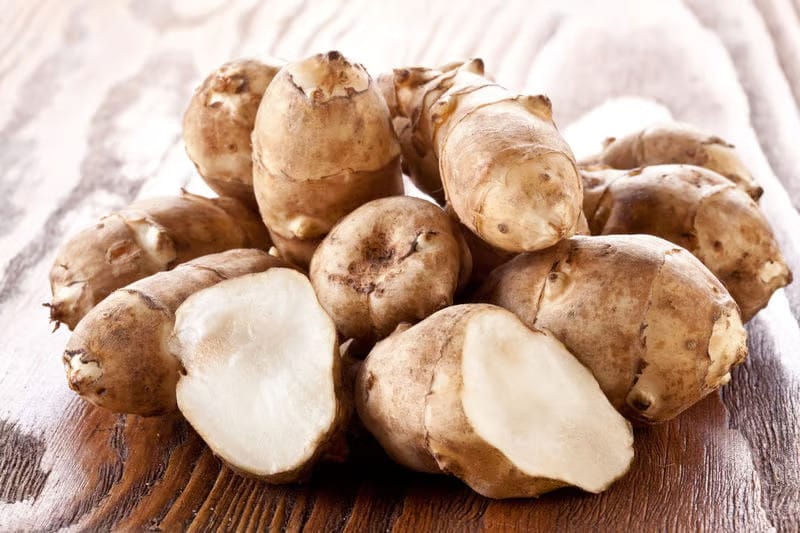
Despite its name and physical resemblance to an artichoke, this tuber is actually a species of sunflower and a top source of the prebiotic inulin. With a slightly sweet, nutty flavor when cooked, Jerusalem artichokes can be roasted or added raw to salads.
12. Oats
Oats are a morning staple for many, and for good reason. They're high in beta-glucans, which not only help lower cholesterol but are also known to behave prebiotically, nourishing the beneficial bacteria in your gut.
13. Onions
Like garlic, onions are members of the allium family and contain prebiotic fibers that support gut health. Whether in the form of sautéed onions, caramelized onions, or the base of a flavorful soup, they add depth of flavor and a hit of prebiotic goodness.
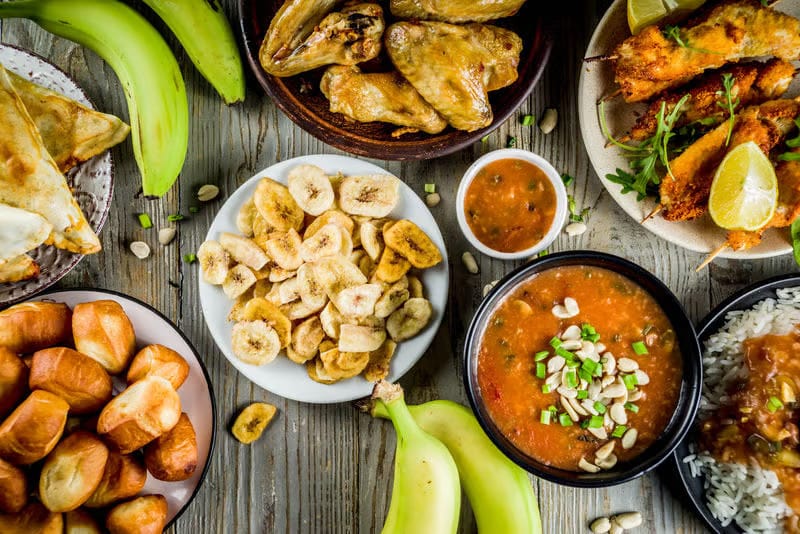
14. Plantains
While similar to bananas, plantains are starchier and contain a different type of prebiotic fiber. Whether baked, fried, or boiled, incorporating plantains into your diet can help diversify the types of prebiotics you consume, which is beneficial for overall gut health.
15. Potatoes
In this case, it’s not just the sweet potato that’s a superstar—it’s all potatoes. With their high resistant starch content, which behaves as a prebiotic, potatoes can be a great addition to your diet when prepared in a healthful way, avoiding extensive frying or loading them with high-fat toppings.
16. Pulses
Think lentils, chickpeas, and beans. Pulses are rich in nutrients and resistant starch, which has prebiotic effects and aids in the growth of beneficial bacteria. They’re also a fantastic source of plant-based protein, making them a double win for any diet.
17. Shitake Mushrooms
These umami-packed fungi contain n-acetylglucosamine (GlcNAc), which serves as a prebiotic by providing a substrate for the growth of good bacteria. Pair them with other prebiotic-packed foods, like garlic and onions, for a triple gut health punch.
18. Spinach
Popeye’s favorite food isn’t only good for your muscles; it’s also good for your gut. Spinach contains prebiotic fibers that your body can’t digest, feeding the good bacteria in your digestive system.
By incorporating these 18 prebiotic foods into your diet, you can support your gut health, strengthen your immune system, and foster an environment where good bacteria can flourish. Remember, a diverse diet that includes a range of prebiotic-rich foods is key to maintaining a healthy gut microbiome. And with so many delicious options to choose from, taking care of your gut has never been tastier. Your digestive system will thank you!

See other posts like this one:




Wednesday, June 05, 2024
17 Egg Substitutes That'll Transform Your Cooking and Baking Recipes