Wednesday, June 05, 2024
21 Best Supplements and Foods for Kidney Health
Discover the top supplements and foods that can help improve kidney health, from reducing inflammation to boosting antioxidants. Find out what your body needs and why these are the best options out there.
Kidney health often doesn't land on the radar of the average person concerned about their overall well-being. It's one of those behind-the-scenes organs that only gets attention when something goes wrong. But safeguarding and optimizing kidney function is essential for maintaining our vitality and health, feeding into our broader mission of wellness.
In this comprehensive guide, we’ll explore why kidney health is vital, the best approach to incorporating beneficial foods into your diet, and even a look at supplements that can complement your kidney care regimen.
Why the Kidneys Are So Important For Health
The kidneys serve a multitude of crucial functions in our bodies. They balance our body fluids, filter waste and toxins from the blood, release important hormones, and regulate our blood pressure.
When the kidneys are compromised – whether through disease, injury, or poor lifestyle choices – an array of health issues can develop. Chronic kidney disease (CKD) is a serious condition that affects millions and can lead to complications such as anemia, weak bones, nerve damage, and even heart or circulatory system diseases.
Yet the most encouraging aspect of kidney health is the fact that much of it is within our control. With the right diet and lifestyle, we can significantly reduce the risks and even support the kidneys to restore and maintain overall health.
Foods for Kidney Health
1. Apples – The Kidneys' Crisp Ally
Apples are rich in antioxidants and anti-inflammatory compounds, which help maintain kidney health. They are also high in fiber, important for digestion and gut health. A medium-sized apple also contains potassium, a nutrient beneficial for heart and blood pressure health.
2. Bell Peppers – The Rainbow of Kidney Nutrition
Bell peppers are not only delicious but also full of vitamins including A, C, and K – all vital for supporting healthy kidneys. They are also low in potassium, an ideal vegetable for anyone on a kidney-friendly diet.
3. Berries – Nature's Kidney Protector
Berries are rich in antioxidants, particularly compounds called anthocyanins and ellagic acid, which have been shown to support kidney function. They are also low in potassium, making them an all-star fruit for renal health.
4. Cabbage – The Crunchy Kidney Companion
White cabbage is an excellent source of vitamin K and C. It also contains fiber and vitamin B6, which help support kidney function. Cabbage is versatile and can be enjoyed in a variety of dishes and preparations.
5. Cauliflower – The Kidney’s Neutral White Knight
Not only is cauliflower low in potassium and phosphorus, making it a kidney-friendly cruciferous vegetable, but it's also a good source of vitamin C, which provides an antioxidant boost.
6. Cherries – A Sweet Cherry on Top for Kidney Health
Cherries are rich in antioxidants, including vitamin C, which may help reduce the risk of oxidative stress-related kidney damage. They are also a low-potassium option for those with kidney conditions.
7. Cranberries – The Red Superfood for Kidney Care
Cranberries contain compounds that can help prevent urinary tract infections (UTIs), which are often associated with kidney complications. They are also low in potassium, with numerous benefits for the urinary and liver health.
8. Cucumbers – The Cool Hydration for Kidney Function
Cucumbers have a high water content and are a good way to keep the body, including the kidneys, hydrated. They are also low in potassium, making them a soothing addition to a kidney health diet.

9. Dark Leafy Greens – The Garden of Kidney Health
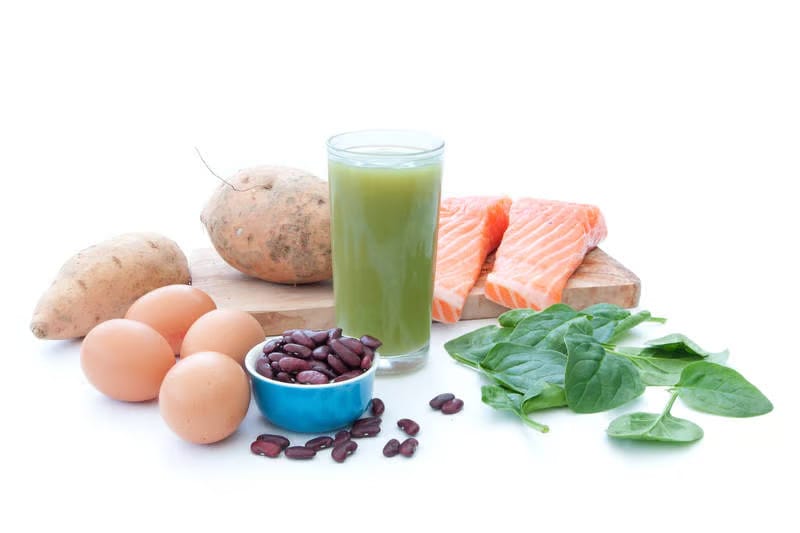
Dark leafy greens like spinach, kale, and Swiss chard are natural sources of vitamins A and C, important antioxidants for the kidneys. Just moderate portions as these are also high in potassium, and might not be suitable for advanced kidney disease.
10. Fatty Fish – The Omega-3 Allies for Kidney Care
Fatty fish like salmon, mackerel, and sardines are rich in omega-3 fatty acids, which can help reduce inflammation and support overall kidney health. They also provide high-quality protein.
11. Garlic – The Kidneys' Pungent Guardian
Garlic may help reduce inflammation and lower cholesterol levels. It is also antimicrobial, which could be helpful in preventing infections that can affect the kidneys.
12. Onions – Layers of Kidney Protection
Onions contain healthful compounds such as quercetin, which is antioxidant and anti-inflammatory. They are also low in potassium, making them a flavorful and kidney-friendly addition to many dishes.
13. Olive Oil – The Kidneys’ Gold in a Bottle
Olive oil is a source of healthy fats that can help reduce inflammation and provide a dose of antioxidants. It’s an ideal alternative to trans and saturated fats often found in processed and fast foods, which can stress the kidneys.
14. Pomegranates – The Rich Jewels for Kidney Health
Pomegranates are a good source of vitamins C and K and contain antioxidant compounds that may help lower inflammation and protect against oxidative stress. They are also low in potassium.
15. Sweet Potatoes – The Orange Guardians of Kidney Function
Sweet potatoes are an excellent source of beta-carotene, which the body converts to vitamin A, and they also contain vitamins C and B6. They are also a good way to increase fiber intake in your diet.
16. Water – The Elixir of Kidney Life
Proper hydration is perhaps the easiest and most important step in maintaining kidney health. Water aids the kidneys in removing waste from the blood through urine, setting the stage for optimum kidney function.
Kidney-Friendly Supplements?
While a healthy diet should be the foundation for supporting kidney health, sometimes supplements can be beneficial, especially for those with specific health concerns or dietary restrictions. Here are a few supplements that have been associated with supporting kidney function:
Omega-3 Fatty Acids or Fish Oil
Omega-3 fatty acids from fish oil supplements have been found to potentially reduce the risk of certain kidney conditions and improve kidney function, possibly by reducing inflammation.
Coenzyme Q10 (CoQ10)
Coenzyme Q10 is a nutrient that supports cell function and has been studied for its potential in kidney health. Some research shows that people with kidney disease may have lower levels of CoQ10, so supplementation could be worthwhile.
Vitamin D
Vitamin D is important for kidney health. In addition to getting it from sun exposure, some people may need supplements, especially since vitamin D deficiency is common among people with kidney disease.
Probiotics
A balanced gut microbiome is essential for overall health, including kidney health. Probiotics can help ensure a healthy balance and are particularly useful for those who have chronic kidney disease (CKD).
However, it's crucial to consult a healthcare professional before adding any supplements to your routine, as they may interact with medications and can be harmful in high doses.
In conclusion, integrating these foods and potentially some supplements into your diet, along with regular exercise and hydration, can provide robust support for your kidney health. Always remember to consult with a healthcare provider to tailor a diet and supplements regimen to your individual needs. Together, a few tweaks to your daily routine can make a substantial difference in the well-being of your kidneys.

See other posts like this one: