Sunday, June 02, 2024
38 Zero-Calorie Foods that Should Be in Your Diet
Looking to lose weight or eat healthier? Check out our list of 38 delicious and nutritious zero-calorie foods to add to your diet for guilt-free eating.
When it comes to health and nutrition, calories are a hot topic. Countless meal plans and diets are built around calorie counting, emphasizing the importance of maintaining a balanced intake to manage or achieve weight loss goals. But what if there was a group of foods that could offer a nutritional edge without contributing to your calorie count? This post explores the realm of zero-calorie foods—ingredients that pack a nutritious punch while barely registering on the energy scale.
Do Zero-Calorie Foods Even Exist?
Lorem ipsum dolor sit amet, consectetur adipisicing elit. Autem dolore, alias, numquam enimBefore we get started, it's essential to clarify that the term "zero-calorie" can be a little misleading. In the strictest sense, no food we consume can truly be calorie-free, although there are foods that contain so few calories, the body uses more calories to digest them than they provide.
Enjoying these foods could, therefore, support a healthy weight maintenance or loss plan. This concept, often referred to as "negative calorie" foods, is not a guarantee to shed pounds dramatically, but it's an intriguing aspect of nutrition science. ab voluptate id quam harum ducimus cupiditate similique quisquam et deserunt, recusandae.
Setting the Record Straight on Nutrition Labels
Because of the negative calorie or zero-calorie nature of these foods, the FDA allows them to be labeled as such if they contain less than 5 calories per serving. It's important to read labels and understand that it might not mean they're truly calorie-free, just extraordinarily low in terms of energy.
Looking beyond the zero-calorie hype, what's most significant is the nutritional value of these foods. They are typically high in vitamins, minerals, and fiber, and can contribute to a varied and healthful diet.
Very Low-Calorie Foods to Consume
Here's a list of foods that are renowned for their low-calorie content and their ability to support a healthy lifestyle. Adding these to your diet can be a great step towards reaping the benefits they offer.
1. Tea
Assorted teas are an excellent example of beverages that provide negligible calories, but their benefits expand far beyond that. Green tea is rich in antioxidants and linked to various health benefits, including improved brain function and a lower risk of some cancers.
2. Coffee
A staple in many people's lives, black coffee offers stimulation with minimal calories. Its metabolism-boosting effects are also well documented, which may aid in weight management when consumed as part of a balanced diet.
3. Watercress
This leafy green is a nutritional powerhouse, offering a peppery flavor and an abundance of nutrients at virtually no caloric cost. It's especially high in vitamin K and can be a versatile addition to salads, soups, and sandwiches.
4. Arugula
Another leafy green with a distinctive flavor, arugula, is rich in nitrates, which can enhance exercise performance and reduce blood pressure. It's a great source of vitamins A and K, and a serving barely grazes your calorie allowance.
5. Lettuce
The typical base for salads, lettuce, offers hydration, a modest fiber content, and a surprising amount of phytonutrients per calorie. Different types of lettuce can provide varying textures and nutritional profiles.
6. Strawberries
Treat your sweet tooth without the guilt by snacking on strawberries. They're an excellent source of vitamin C and manganese, as well as powerful antioxidants, such as anthocyanins.
7. Chard
Versatile and visually striking, chard is a colorful addition to any meal. Its rich green leaves offer a bounty of vitamins like A and K while the stems provide an earthy crunch.
8. Lychees
This tropical fruit offers a sweet and floral taste along with important minerals like copper and potassium. Enjoy them fresh if you can; they can be harder to find but worth the hunt.
9. Spinach
Popeye's favorite superfood is low in fat and even lower in calories. Spinach is high in vitamins A and K, as well as essential minerals like iron. It’s a great addition to smoothies or salads.
10. Cucumbers
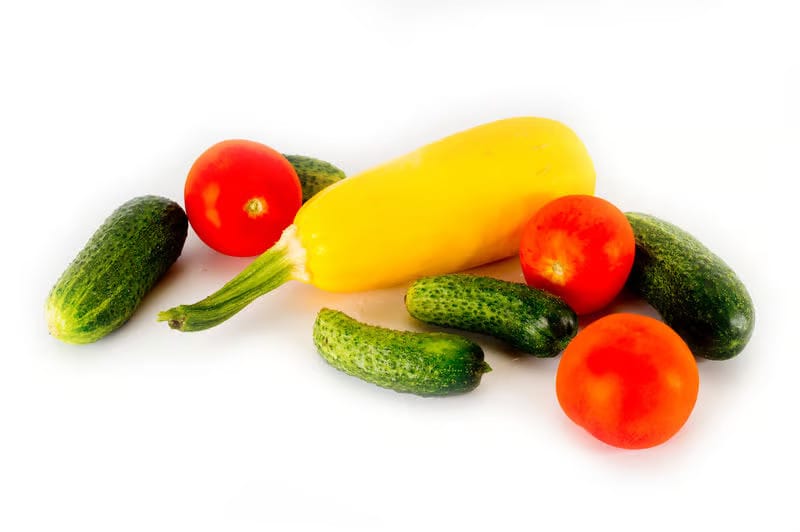
With their high water content, cucumbers are hydrating and low in calories. They're also a good source of silica, which is great for connective tissues, along with potassium and vitamin K.
11. Alfalfa sprouts
Tiny but mighty, these sprouts offer a significant amount of plant-based protein, along with vitamins C and K. Their crunchy texture and mild flavor make them a great topper for sandwiches and wraps.
12. Apricots
Low in calories and high in fiber, apricots are also a good source of vitamins A and C. Dried apricots can be a great snack, though fresh is always best for the most nutritional content.
13. Celery
Often considered a "diet food" for its low calorie content, celery is also packed with antioxidants and electrolytes. Its crunchy texture and minimal flavor make it a great carrier for dips.
14. Radishes
These peppery root vegetables can add a kick to salads and slaws without adding significant calories. Radishes provide vitamin C and other beneficial nutrients in a small, crunchy package.
15. Lemons and limes
The zesty siblings of the citrus family are incredibly low in calories but high in immune-boosting vitamin C. Their sourness can also help you avoid adding high-calorie dressings to foods.
16. Zucchini
With a subtle, almost sweet flavor, zucchinis are among the lowest calorie vegetables you can eat. They're high in fiber and contain some B vitamins and minerals.
17. Cabbage
Cabbage comes in a variety of colors and shapes, all of which are low in calories and high in nutrients. It's a great source of vitamins C and K, and the potential cancer-fighting compound, sulforaphane.

18. Tomatoes
Technically a fruit, tomatoes are often used as a vegetable. They're rich in the antioxidant lycopene, which is associated with a lower risk of certain cancers and heart disease.
19. Fennel
The slight anise flavor of fennel bulb packs a lot of fiber and a good amount of vitamin C. It's a versatile ingredient that can be roasted, braised, or eaten raw.
20. Green beans
These young, tender beans offer a crispy bite without adding to your calorie load. They're rich in vitamins A and C and can be a hit with the entire family.
21. Clementines (aka, Cuties)
These petite citrus fruits are a low-calorie source of fiber and vitamin C. They make for a convenient and refreshing snack, especially when they're in season during the winter months.
22. Grapefruit
Known for its tartness, grapefruits are a dieter's delight due to their low calorie and high fiber content. They're also packed with nutrients that support a healthy immune system.
23. Watermelons
As the name suggests, watermelons are mostly water, which makes them an exceptionally hydrating and low-calorie option for summer snacking. They're also a good source of vitamin A and C.
24. Asparagus
These tender stalks are high in antioxidants and can act as a natural diuretic, aiding in the elimination of excess salts and fluids. They also provide a variety of vitamins and minerals.
25. Cauliflower
The white cousin of broccoli, cauliflower, is incredibly versatile and low in calories. It's also a good source of antioxidants and choline, which is important for brain health.
26. Papayas
Rich in papain, an enzyme that can aid in digestion, papayas are also chock full of vitamin C and A. Their orange flesh is both sweet and juicy, making them a enjoyable and low-calorie treat.
27. Mushrooms
There are numerous varieties of mushrooms, all of which are low in calories and offer unique nutritional benefits. They're a great source of B vitamins, selenium, and ergothioneine, which acts as an antioxidant in the body.
28. Jicama
This root vegetable may look unassuming, but jicama is an excellent source of fiber, vitamin C, and several important minerals. Its slightly sweet, crunchy flesh is perfect for adding texture to salads or slaws.
29. Kale
One of the most nutrient-dense foods available, kale is an excellent source of vitamins A, C, and K, along with a range of minerals. It's also a good source of plant-based iron and calcium.
30. Carrots
Rich in beta-carotene, carrots are great for your eyesight and overall immune health. Their natural sweetness makes them a go-to for snacking, and they're virtually guilt-free in terms of calories.
31. Beets
Beets are a unique source of betalains, a type of phytonutrient that provides antioxidant and anti-inflammatory support. They're also high in nitrates, which can support heart health and may even improve exercise performance.
32. Peppers
Whether it's sweet bell peppers or spicy chilies, all varieties are low in calories and high in vitamin C. They're also a good source of capsaicin, which can aid in weight management.
33. Apples
An apple a day truly might keep the doctor away with its fiber content and impressive array of vitamins and minerals. They're also high in pectin, which can aid in digestive health.
34. Onions
Onions are a staple in many culinary traditions and add flavor to dishes without significantly increasing the caloric count. They're rich in organosulfur compounds, which can have a variety of health benefits.
35. Brussels sprouts
These tiny cabbages might not be everyone's favorite, but they're certainly a nutritious addition to your diet. They're high in fiber, vitamins, and antioxidants, and roasting them can bring out their natural sweetness.
36. Broccoli
A cruciferous vegetable like cabbage, broccoli is known for its cancer-fighting properties. It's rich in sulforaphane, beta-carotene, and other essential nutrients.
37. Raspberries
These delicate berries are lower in calories than many other fruits and are also high in fiber. They're packed with antioxidants and offer a sweet-tart flavor that's hard to resist.
38. Cherries
Whether sweet or tart, cherries are a delicious and low-calorie source of vitamins A and C. They also contain anthocyanins, which have been linked to reduced inflammation and oxidative stress.
The Bigger Picture
Incorporating zero to very low-calorie foods into your diet doesn't mean you should entirely rely on them to maintain a healthy and balanced lifestyle. These foods are fantastic as part of a varied and nutritionally-rich regimen. It's crucial to consume a wide range of foods from all the essential food groups to ensure that you're getting all the required nutrients.
Don't forget, while these foods might be incredibly low in calories, portion control is always key. It's entirely possible to overeat on zero-calorie foods and still end up with a calorie surplus. Learn to listen to your body's hunger and fullness signals, and use these foods to help you fill up and fuel your body with the nutrients it needs to thrive.
When it comes to your health, it's not just about the calories. It's about creating sustainable habits that support your well-being in the long term. Start by incorporating these very low-calorie foods into your diet and notice the positive impact they have on your health and vitality.

See other posts like this one:



Wednesday, September 11, 2024
Busy Life, Fitter You No Gym Required for This 15-Minute Full-Body Workout

Wednesday, September 11, 2024
The Great Debate: Walking vs. Jogging for Your Fitness Journey



Monday, September 09, 2024
From Pain Relief to Performance Boost: How Kinesiology Tape Works






Friday, September 06, 2024
Why “Cage-Free” Eggs Are Misleading — And the Eggs With 10x to 22x More Omega-3s