
Sunday, June 02, 2024
4 Types of Sour Foods that Pack Huge Health Benefits
From immune-boosting citrus fruits to gut-friendly fermented foods, these sour treats not only tantalize your taste buds but also provide amazing health benefits. Discover the top types of sour foods and their incredible benefits in this blog post.
When we think about flavor, our minds usually drift to the sweet, salty, or umami notes that dominate our palate. However, we often overlook the robust and health-boosting sour flavor. It's time to pucker up and explore the benefits of including sour foods in our diets. From aiding digestion to providing a burst of vitamins, sour flavors offer more than just a tongue-tingling experience. In this comprehensive guide, we'll unearth the power of sour foods and the impact they can have on our health and well-being.
What Kind of Flavors Can We Taste?
Each flavor we perceive is a result of our taste buds identifying certain chemical compounds in the foods we eat. The five primary flavors include sweet, savory (umami), salty, bitter, and sour. While each of these flavors has its unique appeal, sour flavors often come with a tang that can invigorate our senses and add depth to a dish.
Levels of Sour in Foods
The sourness of a food is determined by its acid content, which can vary in intensity. From mildly tart lemons to mouth-puckering vinegar, citric acid, or acetic acid are the culprits behind this sharpness. Interestingly, the perceived sourness of a food can also be influenced by other flavors, like salt or sweetness, highlighting the complexity of our taste perception.
What are Sour Fermented Foods?
Fermenting foods is an ancient technique that not only preserves the food but also creates unique sour flavors. During the fermentation process, natural sugars are converted into organic acids, leading to foods rich in probiotics and health-promoting compounds. This method infuses the food with a tangy taste that many enjoy, on top of valuable nutritional benefits.
Types of Sour Foods
Sour foods come in a variety of forms, some commonly enjoyed and others that may be less familiar. Citrus fruits like lemons and limes have long been a staple source of sourness, but other foods like fermented pickles and Greek yogurt also make the list. Here, we'll categorize them to understand the different types of sour foods available and their distinct flavors.
1. Fruits
Fruits offer a natural dose of sourness that's not just delightful, but also nutritious. The acidity found in fruits like oranges, grapefruits, and kiwis is important for collagen formation and can bolster our immune systems. These fruits are often high in vitamin C, an essential nutrient for maintaining good health.
2. Pickled and Fermented Foods
The sourness of fermented and pickled foods such as sauerkraut, kimchi, or pickles is a result of the lactic acid produced during fermentation. These foods are excellent sources of probiotics, which can aid in gut health and digestion. The tangy flavor they provide adds a flavorful kick to a range of dishes while being low in calories.
3. Dairy Products
Sour cream, buttermilk, and certain types of cheese offer creamy and tangy flavors, making them popular ingredients in both sweet and savory dishes. These products are fermented, which not only intensifies the flavor but also makes them easier to digest for some individuals.
4. Condiments and Vinegars
Sourness is front and center in vinegars and condiments like mustard or ketchup. These staples are low in calories and can add a burst of flavor to nearly any meal. Vinegars, in particular, often contain acetic acid, which is known to have antimicrobial properties and may aid in weight management.

What Are the Health Benefits of Sour Foods?
Sour foods offer a host of health benefits that go beyond taste. The combination of acidity and nutrients in these foods can have a positive impact on various bodily functions. Here's a closer look at some of the key health benefits you can derive from incorporating sour foods into your diet:
Digestive Aid
The acetic acid in sour foods can help break down food, making digestion more efficient. Additionally, the probiotics found in fermented sour foods promote a healthy gut microbiome, which is integral to digestive health.
Boosted Immune System
Many sour foods, particularly fruits, are high in vitamin C, a powerful antioxidant that supports the immune system. Regular consumption of vitamin C-rich foods can help prevent colds and may reduce the duration and severity of illnesses.
Weight Management
The tangy taste of sour foods can help reduce the urge to overeat, making them an excellent addition to a weight management plan. The addition of sour flavors can make dishes more satisfying without the need for excess salt, sugar, or unhealthy fats.
Improved Libido
Some sour foods are believed to have aphrodisiac properties, which may be attributed to their role in stimulating the taste buds and increasing salivation, a process linked to arousal.
Acid Reflux and Heartburn
While it may seem counterintuitive, consuming small amounts of natural sour foods can help alleviate acid reflux. These foods trigger the production of digestive enzymes that can aid in the proper digestion of food, preventing the backups that cause discomfort.
Sour Foods: A Wrap-Up
Sour foods add a zing to our meals and provide an array of health benefits that make them an important component of a balanced diet. From aiding digestion to fortifying the immune system, the benefits of sour foods are as diverse as the flavors they offer. Whether it's through sipping on a lemonade or savoring the tang of a fresh Greek salad, consider incorporating more sour foods into your daily menu and reap the rewards of a healthier, more vibrant you.

See other posts like this one:

Sunday, July 07, 2024
Deliciously Healthy Treats How to Make Keto-Friendly Vanilla Protein Donuts









Sunday, July 07, 2024
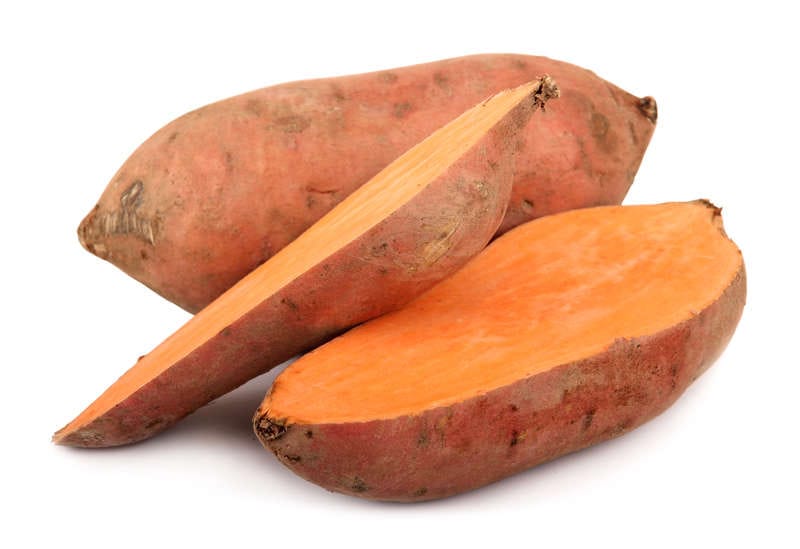
Discover the Delightful Benefits of Sweet Potatoes for Your Health and Palate



Sunday, July 07, 2024
Wholesome Snacking Made Delicious with Vanilla Almond Butter Protein Granola