Thursday, September 05, 2024
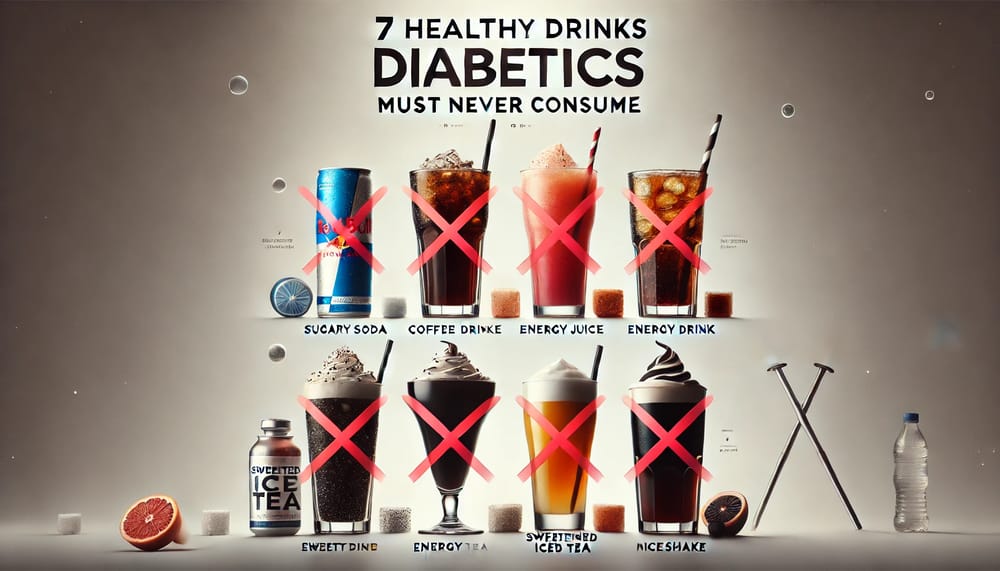
7 Healthy Drinks Diabetics Must NEVER Consume
Managing diabetes requires avoiding sugary drinks like soda, sweet tea, and energy drinks, and opting for healthier alternatives like diet soda, unsweetened tea, and light coffee. Alcohol should be consumed in moderation with lower-calorie options. These choices help stabilize blood sugar and support health.
Navigating Beverages for Diabetes Management
Managing diabetes involves making informed dietary choices, particularly when it comes to beverages. Drinks that are high in sugar can lead to spikes in blood sugar levels and contribute to weight gain, which are significant concerns for individuals with diabetes. This article explores the impact of sugary drinks on diabetes and suggests healthier alternatives.
Sugary Beverages to Avoid
For people with diabetes, it is crucial to avoid or limit beverages that contain high amounts of sugar. Here are some common drinks that should be consumed with caution:
Soda: A 20-ounce serving of soda can contain between 51 to 77 grams of sugar. Regular consumption of such sugary beverages is linked to increased risk of type 2 diabetes and other health issues[2][8].
Sweet Tea: Often considered a refreshing option, sweet tea contains about 26 to 50 grams of sugar per 20-ounce serving. This high sugar content can significantly impact blood sugar levels[5].
Slush Drinks: These drinks can have up to 83 grams of sugar in a 20-ounce serving, making them a poor choice for blood sugar management.
Iced Coffee: While popular, iced coffee can contain 75 to 84 grams of sugar per 20-ounce serving, depending on how it is prepared. Specialty coffee drinks often add extra sugar, calories, and saturated fat[2].
Energy Drinks: These are notorious for their high sugar content, with some containing up to 78 grams per 500ml serving. They offer no nutritional value and can be particularly harmful to those managing diabetes[10].
Fruit Juices: Although they may seem healthier, many fruit juices, especially cranberry juice, have added sugars to balance tartness, contributing to high sugar intake[3].
Healthier Beverage Alternatives
Fortunately, there are several healthier drink options for those with diabetes:
Diet Soda: These beverages are sugar-free and can be a suitable alternative for those who enjoy soda without the added sugar.
Unsweetened Tea: Opting for unsweetened tea with a sugar-free sweetener can provide a refreshing drink without the sugar spike.
Homemade Slush Drinks: By controlling the ingredients, you can enjoy slush drinks with minimal or no added sugar.
Light or "Skinny" Coffee: These versions of coffee drinks use low-calorie sweeteners and skim milk to reduce sugar and calorie content.
Alcohol and Diabetes
Alcohol consumption poses additional challenges for individuals with diabetes. It can cause both low and high blood sugar levels and may interfere with diabetes medications[6][9]. Here are some key considerations:
Moderation is Key: Men should limit alcohol intake to two drinks per day, while women should limit it to one. A drink is defined as 12 ounces of beer, 5 ounces of wine, or 1.5 ounces of liquor[6][12].
Choose Wisely: Opt for lower-calorie drinks such as light beers, dry wines, or spirits mixed with diet sodas or water.
Avoid Sugary Mixers: Drinks with sweet mixers, dessert wines, and fruit-based cocktails can spike blood sugar levels and should be limited[1][7].
Conclusion
Managing diabetes effectively requires careful attention to dietary choices, including beverages. Avoiding high-sugar drinks and opting for healthier alternatives can help maintain stable blood sugar levels and support overall health. Always consult with healthcare providers to tailor dietary choices to individual health needs. By making informed decisions, individuals with diabetes can enjoy a variety of beverages without compromising their health.

See other posts like this one: