Saturday, June 01, 2024
7 Key Vitamins and Minerals for Brain Health
Keep your brain sharp and functioning at its best with these essential vitamins and minerals. Discover the top choices for optimal cognitive function today!
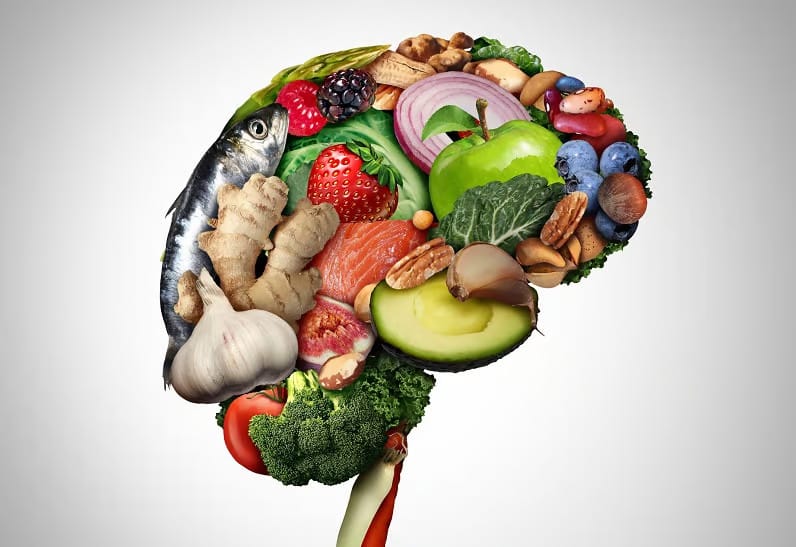
When it comes to supporting brain health, improving mental capabilities, and even reducing the risk of dementia, a healthy diet that provides essential vitamins and minerals is one of the most important puzzle pieces. In other words, a healthy brain starts with eating a variety of nutrient-dense, whole foods to ensure you're getting enough of the right nutrients so your brain can perform at its best.
In this blog post, we'll explore seven key vitamins and minerals crucial for maintaining optimal brain health and function. Whether you're a health enthusiast or simply looking to boost your cognitive abilities, these nutrients are vital for keeping your brain in top shape.
1. Vitamin B12
Importance of Vitamin B12
Vitamin B12, also known as cobalamin, plays a critical role in maintaining the health of your nervous system. It's essential for the formation of red blood cells and DNA synthesis and plays a significant role in brain functions such as memory and concentration.
Sources of Vitamin B12
You can find Vitamin B12 in animal-based foods like meat, fish, dairy products, and eggs. If you're following a vegetarian or vegan diet, fortified cereals, nutritional yeast, and B12 supplements are good alternatives.
2. Vitamin B6
Importance of Vitamin B6
Vitamin B6, also known as pyridoxine, is vital for cognitive development and brain function. It helps produce neurotransmitters such as serotonin, dopamine, and gamma-aminobutyric acid (GABA), which regulate mood and prevent mental fatigue.
Sources of Vitamin B6
Foods rich in Vitamin B6 include poultry, fish, potatoes, chickpeas, bananas, and fortified cereals. Incorporating these into your diet can help maintain adequate levels of this crucial vitamin.
3. Vitamin B9
Importance of Vitamin B9
Vitamin B9, or folate, is essential for brain development and function. It aids in the production of DNA and RNA and helps prevent neural tube defects during fetal development. Additionally, folate is involved in regulating mood and cognitive function.
Sources of Vitamin B9
You can find folate in leafy green vegetables, legumes, nuts, and seeds. Fortified cereals and bread also provide a good source of this essential nutrient.

4. Vitamin D
Importance of Vitamin D
Often referred to as the "sunshine vitamin," Vitamin D is crucial for brain health and function. It plays a role in neurodevelopment, brain function, and mitigating the risk of neurodegenerative diseases. A deficiency in Vitamin D has been linked to cognitive impairments and mood disorders.
Sources of Vitamin D
Your body can produce Vitamin D when exposed to sunlight. Dietary sources include fatty fish, fortified dairy products, and egg yolks. Supplements are also available if you have limited sun exposure.
5. Vitamin E
Importance of Vitamin E
Vitamin E is a powerful antioxidant that protects your brain from oxidative stress and damage. It has been shown to slow down the progression of neurodegenerative diseases like Alzheimer's and improve cognitive function in older adults.
Sources of Vitamin E
Foods rich in Vitamin E include nuts, seeds, spinach, and broccoli. Including these in your diet can help you maintain adequate levels of this protective vitamin.
6. Vitamin C
Importance of Vitamin C
Vitamin C is another potent antioxidant that helps protect your brain from oxidative damage. It also plays a role in synthesizing neurotransmitters and improving cognitive function. Studies have linked higher Vitamin C levels to better memory and cognitive performance.
Sources of Vitamin C
You can find Vitamin C in citrus fruits, strawberries, bell peppers, and Brussels sprouts. Ensuring you get enough of this vitamin can support overall brain health.
7. Magnesium
Importance of Magnesium
Magnesium is essential for many biochemical reactions in the brain. It plays a role in nerve transmission, synaptic plasticity, and protecting against neurological disorders. Adequate magnesium levels are associated with improved learning and memory.
Sources of Magnesium
Foods rich in magnesium include leafy green vegetables, nuts, seeds, and whole grains. Incorporating these into your diet can help you keep your brain healthy and functioning optimally.
Other Key Nutrients for Brain Health
While these seven vitamins and minerals are crucial, other nutrients also play a significant role in brain health. Omega-3 fatty acids, iron, and zinc are among the additional nutrients that support cognitive function and overall brain well-being.
Omega-3 Fatty Acids
Omega-3 fatty acids, particularly EPA and DHA, are essential for brain structure and function. They are found in fatty fish, flaxseeds, and walnuts.
Iron
Iron is necessary for oxygen transport in the brain and energy production. You can find iron in red meat, poultry, beans, and spinach.
Zinc
Zinc supports brain function and helps regulate communication between neurons. Foods like meat, shellfish, legumes, and seeds are rich in zinc.
Conclusion
Maintaining optimal brain health involves consuming a balanced diet rich in essential vitamins and minerals. By incorporating the nutrients discussed in this post into your daily meals, you can support cognitive function, enhance memory, and reduce the risk of neurodegenerative diseases.
Remember, a healthy brain is a well-nourished brain. Start making mindful dietary choices today to ensure your brain performs at its best for years to come.

See other posts like this one: