Wednesday, November 13, 2024
7 Surprising Benefits of Eccentric Training
Discover the 7 surprising benefits of eccentric training and how it can improve strength, flexibility, injury prevention, and more. Learn why adding this technique to your workout can enhance your fitness results.
Adding eccentric training to your strength workouts can transform your results. If you aren’t taking advantage of it yet, here’s why you should consider it.
Understanding Muscle Types
Muscles can be divided into two main types:
- Striated muscles help you move and support your posture.
- These are the muscles we engage during strength training.
- Smooth muscles control involuntary actions, like digestion.
- They work slowly and rhythmically without you having to think about them.
What Is Eccentric Training?
To understand eccentric training, it helps to know how muscles contract. Muscle contractions involve both length and tension, and there are four main types:
Isometric: Muscles contract without changing length, like holding a plank.
Isotonic: Muscles change length while maintaining a steady force,
like walking. There are two subtypes:
- Eccentric: Muscles lengthen as they contract (e.g., lowering a dumbbell).
- Eccentric training focuses on this lengthening phase, often called the “negative” portion, which requires actively resisting gravity. Concentric: Muscles shorten as they contract (e.g., lifting a dumbbell).
Common Eccentric Movements
You already perform eccentric movements in exercises like:
- Pull-ups: Lowering yourself from the bar after a pull-up.
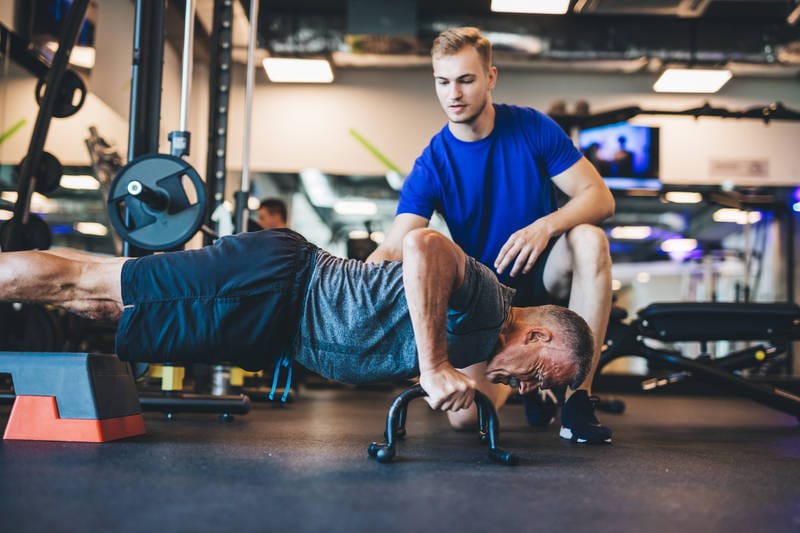
- Push-ups: Lowering yourself toward the ground.
- Squats: Lowering your body into a squat.

Benefits of Eccentric Training
1. Enhanced Mind-Muscle Connection
Slowing down on the "negative" movement improves focus and muscle engagement, leading to better workout results.
2. Lower Risk of Injury
Eccentric training teaches you to control the weight on the way down, which can strengthen tendons and reduce the risk of injuries.
3. Improved Flexibility and Range of Motion
By slowing down and resisting gravity, eccentric movements help elongate muscles, enhancing flexibility and mobility.
4. Pain Relief
Eccentric training has been shown to reduce pain from tendonitis by strengthening tendons and limiting pain-causing chemicals.
5. Ideal for Seniors
The controlled, slower movements in eccentric training help older adults build strength and confidence safely, improving their ability to lift more over time.
6. Neuromuscular Benefits
Eccentric training boosts neural activity, improving muscle control and reducing the risk of falls.
7. Safe and Accessible
Eccentric training requires less energy than concentric movements, making it suitable for people with arthritis or other conditions. It also helps flush muscles with nutrient-rich blood.
Final Thoughts
Eccentric training offers unique benefits, but remember to balance it with other muscle contraction types for a well-rounded workout. By incorporating eccentric movements, you’ll improve strength, flexibility, and muscle control—taking your fitness to the next level.

See other posts like this one: