
Saturday, June 01, 2024
7+ Ways to Improve Your Gut Bacteria At Any Age
Want to improve your gut health and overall well-being? These tips will help you boost beneficial bacteria in your gut, no matter what stage of life you're in.
A healthy gut is essential for overall well-being. From good digestion and a strong immune system to an uplifted mood, the benefits of a balanced gut microbiome are far-reaching. Not only does it contribute to a healthier body, but it also plays a crucial role in maintaining brain health. Given its importance, let's dive into seven effective ways to improve your gut bacteria at any age.
7+ Ways to Improve Your Gut Bacteria At Any Age
1. Eat the Rainbow
A diverse diet rich in various colors of fruits and vegetables can significantly benefit your gut health. Different colors often indicate different types of nutrients and types of fiber that feed different strains of gut bacteria. Try to include a variety of:
- Leafy greens like spinach and kale
- Bright fruits like berries and oranges
- Root vegetables like carrots and beets
2. Nourish the Garden
Think of your gut as a garden that needs proper nutrients to thrive. Here's how you can nourish it:
- Prebiotics: Foods like garlic, onions, and asparagus contain prebiotics that feed beneficial gut bacteria.
- Whole Grains: Brown rice, quinoa, and oats can help support a diverse microbiome.
- Legumes and Beans: Lentils, chickpeas, and black beans are excellent sources of fiber and prebiotics.
3. Seek Out Fermented Foods
Fermented foods are rich in probiotics, which are live bacteria that can enhance your gut flora. Consider incorporating:
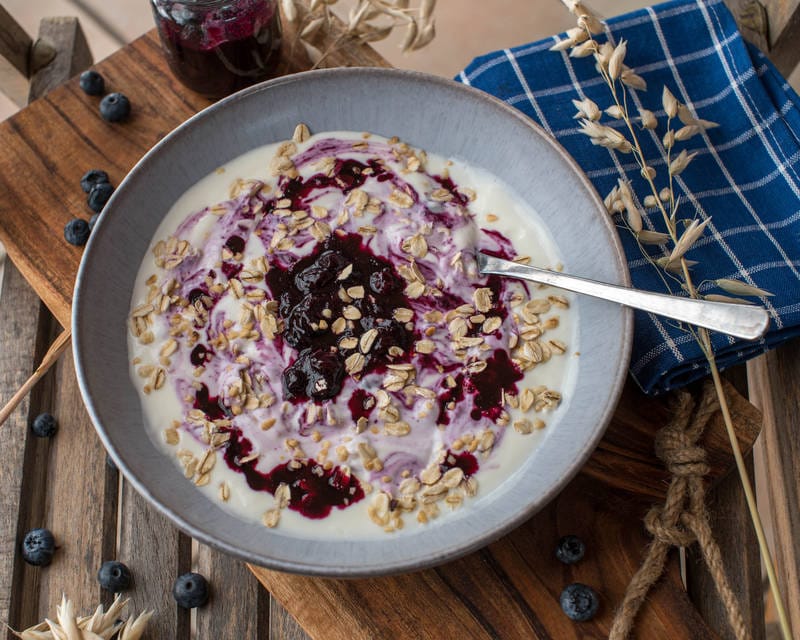
- Yogurt: Choose varieties with active or live cultures.
- Kefir: This fermented milk drink is packed with beneficial bacteria.
- Sauerkraut and Kimchi: Fermented cabbage dishes that offer a probiotic punch.
- Miso and Tempeh: Fermented soy products that can add a healthy dose of probiotics to your meals.
4. Cut Back on Sugar
Excessive sugar can harm your gut bacteria by feeding harmful bacteria and yeast. Aim to reduce your intake of:
- Sugary beverages like soda and energy drinks
- Processed snacks and desserts
- Refined sugars found in many packaged foods

5. Prioritize Sleep
Quality sleep is often overlooked but is vital for maintaining a healthy gut. Poor sleep can disrupt the balance of your gut bacteria, so make sure to:
- Maintain a consistent sleep schedule
- Aim for 7-9 hours of sleep per night
- Create a restful environment free of distractions
6. Exercise Regularly and Consistently
Regular physical activity can positively impact your gut microbiome. Exercise increases the diversity of gut bacteria, contributing to overall gut health. Incorporate a mix of:
- Aerobic exercises like running or swimming
- Strength training like weightlifting
- Flexibility exercises like yoga or stretching
7. Cut Back on Booze
Excessive alcohol consumption can disrupt the balance of bacteria in your gut, leading to issues like inflammation and decreased diversity. Try to:
- Limit your alcohol intake to moderate levels
- Choose lower-alcohol options like light beers or wine
- Stay hydrated by drinking water between alcoholic beverages
Bonus Tips for Optimal Gut Health
Stay Hydrated
Drinking plenty of water is essential for overall health, including maintaining a healthy gut. Water helps the digestive system function smoothly and can reduce the risk of constipation.
Manage Stress
Chronic stress can negatively affect your gut bacteria. Incorporate stress-reducing activities into your routine, such as:
- Meditation and mindfulness practices
- Deep-breathing exercises
- Hobbies that you enjoy and that help you relax
Avoid Unnecessary Antibiotics
While antibiotics are essential for treating bacterial infections, they can also wipe out beneficial gut bacteria. Use them only when prescribed by a healthcare professional, and consider taking probiotics during and after antibiotic treatment to help restore your gut flora.
---
Improving your gut bacteria doesn't have to be complicated. By making these simple lifestyle and dietary changes, you can nurture a healthy gut environment that supports overall well-being. Whether you're just starting your journey to better gut health or looking to fine-tune your existing habits, these tips can help you achieve a balanced and thriving microbiome at any age.
Ready to take control of your gut health? Start implementing these strategies today and experience the profound benefits of a healthy gut. Share your experiences and tips in the comments below!

See other posts like this one:






Thursday, November 14, 2024
Understanding GLP-1 and Natural Ways to Boost It for Weight Management