Friday, May 31, 2024
8 Foods That Are Not Worth Reheating for Leftovers
Don't waste your time reheating these foods! Check out our list to see which leftovers are better left untouched. You may be surprised by some of the items on this list!
Doesn’t throwing out good food hurt? Whether you spent good money for a restaurant meal (which is often enough food for several meals) or took time and effort to prepare a home-cooked meal, just tossing what you don’t eat feels wasteful and wrong. And food waste is a big problem.
But as much as we’d like to repurpose every last morsel, some foods simply don’t make the cut when it comes to reheating. Health enthusiasts, beauty-conscious individuals, and the fitness community alike will appreciate knowing which leftovers are best left uneaten. Here are eight foods you should avoid reheating for both safety and quality reasons.
1. Shellfish
Why It's Best Left Cold
Reheating shellfish such as shrimp, clams, and scallops can lead to a rubbery texture and an unpleasant taste. More importantly, shellfish is highly susceptible to bacterial growth if not stored correctly. Eating reheated shellfish increases the risk of foodborne illness. Instead, enjoy shellfish cold in salads or sandwiches.
2. Fish
Flavor and Texture Issues
Fish is another type of protein that doesn’t reheat well. The delicate texture of fish often becomes tough and dry upon reheating, and the flavor can become overwhelmingly fishy. To avoid these issues, try incorporating cold fish into dishes like ceviche, fish tacos, or a delightful fish salad.
3. Potatoes
Safety Concerns
Potatoes can harbor bacteria like Clostridium botulinum, especially if they aren’t stored properly. When reheated, these bacteria can produce harmful toxins. If you have leftover potatoes, consider eating them cold in a potato salad or as a base for a cold soup like vichyssoise.
4. Eggs
Texture Transformation
Reheated eggs often turn rubbery and lose their appealing texture. Additionally, reheating scrambled or boiled eggs can produce an off-putting sulfuric smell. Cold egg dishes such as salads or sandwiches are a more palatable and safer alternative.

5. Fried Foods
Loss of Crunch
Fried foods never taste the same the second time around. Reheating can turn that once-crispy exterior into a soggy mess. If you want to salvage leftover fried foods, consider incorporating them into a new dish, like a casserole or a stir-fry, to mask the texture changes.
6. Summer Squash
High Water Content
Summer squash, including zucchini, has a high water content that makes it unsuitable for reheating. The microwave can turn this veggie into a mushy, watery mess. Instead, enjoy leftover summer squash cold in salads or as a topping for your favorite grain bowls.
7. Spinach
Lorem ipsuNutrient Degradation
Spinach contains a high level of nitrates, which can become harmful when reheated. The reheating process can convert these nitrates into nitrosamines, compounds that are potentially carcinogenic. Fresh spinach is always best, but if you have leftovers, consider using it cold in a smoothie or salad.m dolor sit amet, consectetur adipisicing elit. Autem dolore, alias, numquam enim ab voluptate id quam harum ducimus cupiditate similique quisquam et deserunt, recusandae.
8. Mushrooms
Bacterial Growth
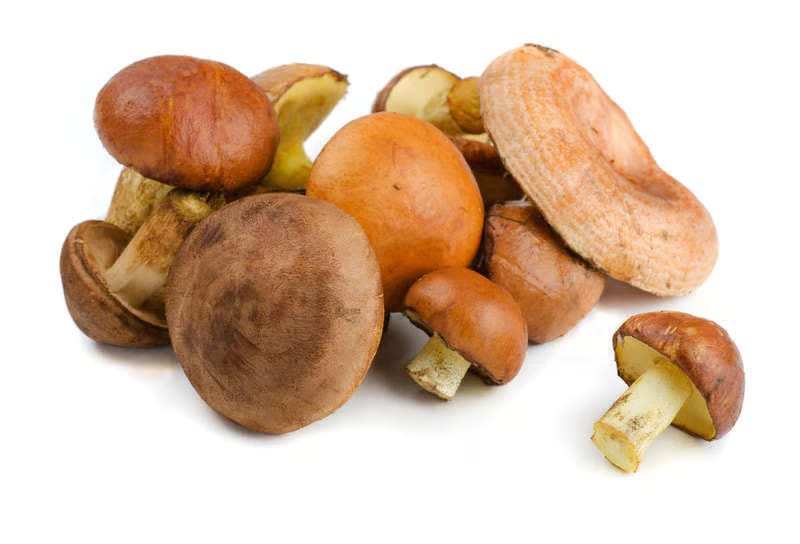
Cooked mushrooms are prone to bacterial growth when stored improperly. When reheated, they can develop an off taste and rubbery texture. Use leftover mushrooms in cold dishes like salads, or add them to a cold pasta salad for a delicious twist.
Conclusion
While it may be tempting to reheat every leftover, doing so with certain foods can compromise both safety and quality. Being mindful of which foods are best enjoyed cold can help you avoid unpleasant dining experiences and potential health risks. So next time you're faced with leftover shellfish, fish, potatoes, eggs, fried foods, summer squash, spinach, or mushrooms, think twice before reheating. Instead, opt for creative and safe ways to enjoy these leftovers cold, and your taste buds—and stomach—will thank you.
By understanding the limitations of reheating certain foods, health enthusiasts, beauty-conscious individuals, and the fitness community can make better decisions in the kitchen. Not only will this approach help reduce food waste, but it will also ensure that your meals remain as nutritious and delicious as possible.
If you found this article helpful, don't forget to share it with your friends and community. Let's spread the knowledge and help everyone make the most out of their leftovers safely and deliciously!

See other posts like this one:

Sunday, July 07, 2024
Spicy Buffalo Bliss Discovering Pulled Buffalo Chicken Salad with Blue Cheese




Thursday, July 04, 2024
Wake Up and Work Out 7 Energizing Morning Exercises to Kickstart Your Day


Thursday, July 04, 2024
Strengthen Your Grip The Top 11 Forearm Exercises You Can Do at Home