Saturday, June 15, 2024
8 Little-Known Health Benefits of Daily Sunlight
Did you know that regular exposure to sunlight can have surprising health benefits? Discover the lesser-known advantages and start soaking up some Vitamin D today!
Sunlight is often seen as a double-edged sword in our healthcare narrative. We are continually reminded about UV rays and the risks of overexposure, leading many of us to shun the sun entirely. However, a balanced approach to sun exposure can bring an array of health benefits that might surprise you. In this blog post, we'll explore eight lesser-known reasons why catching daily rays can be a positive presence in your overall health.
Health Benefits of Daily Sunlight
1. Lowers Blood Pressure
Starting your day with a few minutes of sunshine can do wonders for your cardiovascular health. The journal Circulation reported a study that found exposure to UVA rays dilates blood vessels and decreases blood pressure. This effect is particularly pronounced in the winter months when sunlight is scarce and blood pressure tends to be higher.
2. Decreases Inflammation
Chronic inflammation is linked to a host of health issues, from heart disease to cancer. Sunlight, and specifically the vitamin D it helps produce, is thought to be a powerful anti-inflammatory agent. It combines with antioxidant-rich foods to help neutralize the free radicals in our body that contribute to inflammation, making sunlight a natural prescription for health.
3. Improves Mood
Many of us are familiar with Seasonal Affective Disorder (SAD), a form of depression that occurs at the same time every year, usually in response to decreased sunlight during the winter. However, sunlight can uplift anyone's spirits. When exposed to sunlight, the brain releases a hormone called serotonin, which is associated with boosting mood and helping a person feel calm and focused.
4. Strengthen Bones
Most people know that calcium and vitamin D are crucial for bone health, but sunlight plays a direct role in bone strength as well. It does this through the activation of vitamin D, which leads to increased absorption of calcium and phosphate from the intestines and helps regulate calcium levels in our body — vital components in maintaining strong and healthy bones.

5. Supports Quality Sleep
Sunlight helps keep your circadian rhythm steady. Your internal clock uses natural sunlight to help regulate crucial hormones throughout the day. Absorbing sunlight during the day increases your natural production of melatonin, which makes it easier to fall asleep at night and improves sleep quality, contributing to a more rested and rejuvenated feeling upon waking.
6. Decreases Stress Levels
In an age where stress is a common companion, exposure to sunlight is like a welcomed respite. It not only encourages certain chemical releases in the brain, such as endorphins, but triggers the release of nitric oxide in the skin, which in turn relieves stress and improves your mood. It's a natural and enjoyable means of managing everyday stress.
7. Strengthen the Immune System
Sunlight's role in the production of vitamin D has a snowball effect on the immune system. Vitamin D helps to regulate the immune system, enhancing the pathogen-fighting effects of monocytes and macrophages — white blood cells that are important components of the immune system's response to infection. A little bit of daily sunlight can help keep common illnesses at bay.
8. Creates Vitamin D
It's widely known that sunlight is the best source of Vitamin D, a crucial nutrient that plays a significant role in numerous systems of the body, including the skeletal, immune, and muscular systems. Vitamin D also has been shown to reduce the risk of several types of cancers, such as colon, prostate, and breast cancers.
Are You Getting Enough Sunlight?
Despite these numerous benefits, the reality is that many individuals have lifestyles and occupations that keep them indoors. To benefit from the sun without increasing the risk of skin damage, consider the following:
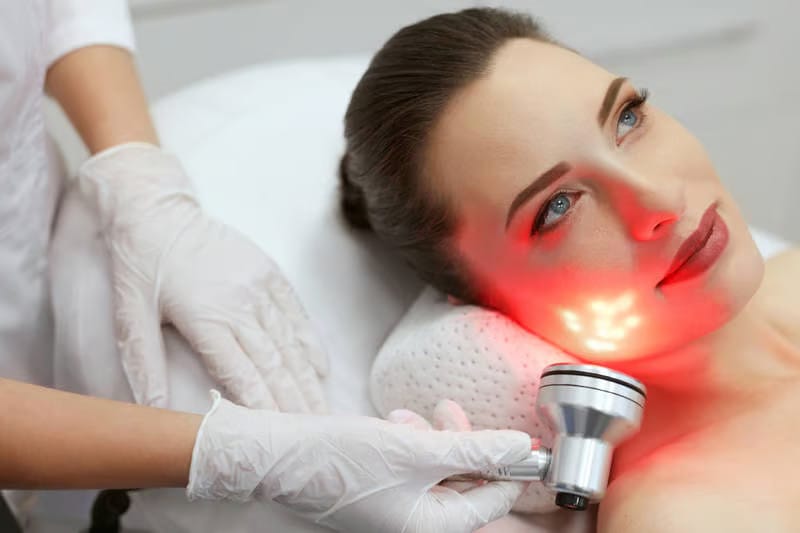
- Consider light therapy using lamps that mimic natural sunlight during the darker months, ensuring a constant flow of mood-boosting light when outdoor exposure is less convenient.
- Protecting your skin is still crucial, so don’t overdo it. If you’re planning an extended stay under the sun’s rays, shades and sunblock are your friends.
- Aim for at least 10-15 minutes of exposure, which can vary based on your skin type and geographical location.
- Get outside in the morning when sunlight is less intense and the air quality is better.
Remember, sunlight is not just a physical need but an ancient form of therapy that has been part of our species’ success for millennia. It’s about balance and understanding that the sun is not our enemy, it’s an integral part of our health.

See other posts like this one:














Saturday, June 15, 2024
Sleeping Naked - Health Risks Or Bedtime Blessing? The Pros and Cons