Saturday, June 22, 2024
9 Proven Ways to Bust Through a Weight-Loss Plateau and Keep Going Strong
Stuck in a weight-loss plateau? Don't give up! These nine proven tips will help you break through and keep reaching your goals.
Have you been diligently working out, eating right, and seeing great results, only to suddenly feel stuck? Welcome to the infamous weight-loss plateau. It's a common challenge that can leave even the most dedicated fitness enthusiasts feeling frustrated. But don't worry—breaking through that plateau is entirely possible. This blog post will guide you through nine strategies to help reignite your weight-loss progress.
What Exactly is a Weight-Loss Plateau?
Before we jump into the solutions, let's understand what a weight-loss plateau is. This phenomenon occurs when your body stops losing weight despite continuing your diet and exercise regimen. It's a natural part of the weight-loss process. Over time, your body adapts to your current routine, making it harder to shed those extra pounds.
A weight-loss plateau can be attributed to several factors, including metabolic adaptation, hormonal changes, and even psychological barriers. Understanding these factors can help you implement effective strategies to overcome them. Let's explore nine proven methods to break through a weight-loss plateau.
1. Keep Track of Your Calories
One of the first steps to breaking through a weight-loss plateau is to meticulously track your calories. It’s easy to underestimate how much you’re eating or drinking. Use a food diary or a mobile app to log everything you consume.
Tracking calories can help you identify any hidden sources of extra calories that might be sabotaging your efforts. For instance, those handfuls of nuts or spoonfuls of peanut butter can add up quickly. Precision is key when logging your food intake.
Remember to include beverages and snacks in your tracking. Many people forget to log liquid calories, which can add up quickly if you’re consuming sugary drinks or alcohol. Maintaining a detailed food diary can provide valuable insights into your eating habits and help you make necessary adjustments.
2. Reassess Your Caloric Needs
As you lose weight, your caloric needs change. What worked for you at a higher weight may not be effective now. Reassessing your daily caloric intake is crucial to continue losing weight.
Use an online calculator to estimate your new daily caloric needs based on your current weight, age, gender, and activity level. This recalibration is essential to ensure you’re consuming the right amount of calories to support ongoing weight loss.
Once you have your new caloric target, adjust your meal plans accordingly. Focus on nutrient-dense foods that provide essential vitamins and minerals without excess calories. This approach can help you maintain a healthy diet while achieving your weight-loss goals.
3. Increase Your Energy Expenditures
If your weight loss has stalled, increasing your energy expenditure might be the solution. This means finding ways to burn more calories throughout the day. Incorporate more physical activity into your routine, whether it’s through formal exercise or simply moving more.
Consider adding a new type of exercise or increasing the intensity of your current workouts. High-intensity interval training (HIIT) is a great way to burn more calories in less time. These short bursts of intense activity can boost your metabolism and help you break through a plateau.
Another effective strategy is to increase your non-exercise physical activity, known as NEAT (Non-Exercise Activity Thermogenesis). This includes activities like walking, taking the stairs, gardening, and even fidgeting. Every bit of movement counts towards increasing your overall energy expenditure.
4. Drink More Water
Staying hydrated is often overlooked but is crucial for weight loss. Drinking water can help boost your metabolism, reduce hunger, and improve digestion. Aim to drink at least eight 8-ounce glasses of water per day, or more if you’re physically active.
Sometimes, our bodies can mistake thirst for hunger, leading to unnecessary snacking. By drinking water throughout the day, you can help control your appetite and avoid overeating. Carry a reusable water bottle with you as a constant reminder to stay hydrated.
In addition to plain water, consider consuming foods with high water content, such as fruits and vegetables. These foods are not only hydrating but also low in calories and high in nutrients, making them excellent choices for weight loss.
5. Try Intermittent Fasting
Intermittent fasting (IF) has gained popularity as an effective weight-loss strategy. Suppose involves cycling between periods of eating and fasting. This approach can help reduce calorie intake and improve metabolic health.
There are several methods of intermittent fasting, including the 16/8 method (fasting for 16 hours and eating within an 8-hour window) and the 5:2 method (eating normally for five days and restricting calories for two days). Choose the method that best fits your lifestyle and preferences.
Intermittent fasting can help regulate insulin levels, increase fat burning, and enhance overall weight loss. However, it’s essential to maintain a balanced diet during eating periods and avoid overeating to maximize the benefits of IF.

6. Check Your Protein Intake
Protein is a vital macronutrient for weight loss. It helps preserve muscle mass, boosts metabolism, and keeps you feeling full longer. If you’re experiencing a weight-loss plateau, evaluate your protein intake to ensure you’re getting enough.
Aim to include a source of protein in every meal and snack. Good sources of protein include lean meats, fish, eggs, dairy products, legumes, and plant-based proteins like tofu and tempeh. Protein supplements, such as whey protein, can also be convenient options.
Increasing protein intake can help curb cravings and reduce overall calorie consumption. It’s especially important if you’re engaging in regular exercise, as protein supports muscle recovery and growth.
7. Get Enough Sleep
Sleep plays a critical role in weight management. Lack of sleep can disrupt hormones that regulate hunger and appetite, leading to increased cravings and overeating. Aim for 7-9 hours of quality sleep per night to support your weight-loss efforts.
Establish a consistent sleep schedule by going to bed and waking up at the same time each day. Create a relaxing bedtime routine to signal your body that it’s time to wind down. Avoid electronic devices and stimulating activities before bed to improve sleep quality.
If you’re struggling to get enough sleep, consider making changes to your sleep environment. Ensure your bedroom is cool, dark, and quiet, and invest in a comfortable mattress and pillows. Prioritizing sleep can have a significant impact on your weight-loss journey.
8. Cut the Alcohol
Alcohol can be a hidden source of empty calories that hinder weight loss. It’s easy to overlook the calories in alcoholic beverages, but they can add up quickly. Reducing or eliminating alcohol consumption can help you break through a weight-loss plateau.
In addition to being high in calories, alcohol can lower inhibitions and lead to poor food choices. It can also disrupt sleep patterns and negatively affect metabolism. By cutting back on alcohol, you can reduce calorie intake and improve overall health.
If you enjoy socializing with a drink, opt for lower-calorie alternatives like sparkling water with a splash of fruit juice. Finding healthier ways to unwind can support your weight-loss goals without sacrificing enjoyment.
9. Manage Stress
Stress can significantly impact weight loss. When you’re stressed, your body releases cortisol, a hormone that can lead to increased appetite and fat storage, especially around the abdominal area. Managing stress is essential for breaking through a weight-loss plateau.
Incorporate stress-reducing activities into your daily routine. Practices like mindfulness meditation, yoga, deep breathing exercises, and spending time in nature can help calm the mind and reduce stress levels.
It’s also important to identify and address the sources of stress in your life. Whether it’s work-related pressures, personal relationships, or financial concerns, finding healthy ways to cope with stress can support your overall well-being and weight-loss efforts.
Conclusion
Breaking through a weight-loss plateau requires a combination of strategies and a willingness to adapt. By keeping track of your calories, reassessing your caloric needs, increasing your energy expenditure, staying hydrated, trying intermittent fasting, checking your protein intake, getting enough sleep, cutting alcohol, and managing stress, you can overcome this challenging phase and continue on your weight-loss journey.
Remember, plateaus are a natural part of the process, and persistence is key. Implement these tips, stay motivated, and celebrate your progress along the way. For personalized guidance and additional resources, consider booking a session with a nutrition or fitness expert who can help you tailor these strategies to your unique needs.
Keep pushing forward—you’ve got this!

See other posts like this one:



Friday, August 30, 2024
Moderation and Mindfulness: The Secret to Drinking Beer Without the Hangover








Friday, July 12, 2024
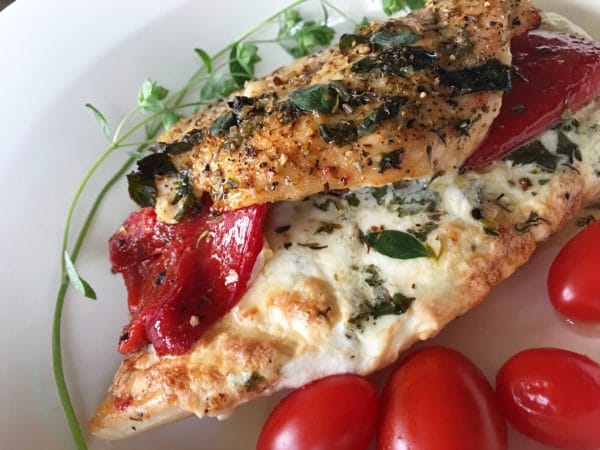
Delight Your Taste Buds with Red Pepper and Mozzarella Stuffed Chicken Caprese