Thursday, June 06, 2024
Are These "Healthy" Foods Actually Harmful? Unmasking Scare Tactics
Don't fall for the latest health trends and scare tactics. Learn how to separate fact from fiction when it comes to so-called "healthy" foods in this eye-opening blog post.
Whether you're a health enthusiast or new to clean eating, the ongoing debate surrounding food choices can be overwhelming. Have foods once deemed "healthy" now turned hazardous? Are these so-called "dangerous healthy foods" truly detrimental to your well-being, or are they just clever ploys to push specific diet plans?
Let's debunk myths and embrace a healthier perspective rooted in our inclusive food philosophy borrowed from Precision Nutrition: "No foods are inherently bad!" The dichotomy of good versus bad foods can hinder rather than help achieve balanced nutrition goals. We steer clear of rigid dietary rules, one-size-fits-all eating habits, and extreme dieting approaches because they often fall short.
Regrettably, much of the prevalent advice in health, fitness, and dieting circles focuses on foods deemed off-limits or purportedly harmful "healthy" options that should be restricted if not entirely avoided. While this blog may touch upon such topics, it aims to shed light on items masquerading as healthful due to misleading labels.
There's a genuine intent behind many of these warnings - individuals hoping to assist others in feeling better. Yet numerous nutritious foods have been unfairly criticized while some may be unsuitable for certain individuals due to allergies or intolerances. Moreover, some items can be part of a wholesome diet but may warrant moderation.
3 Potentially Harmful "Healthy" Foods:
1. Nightshade Vegetables like Tomatoes:
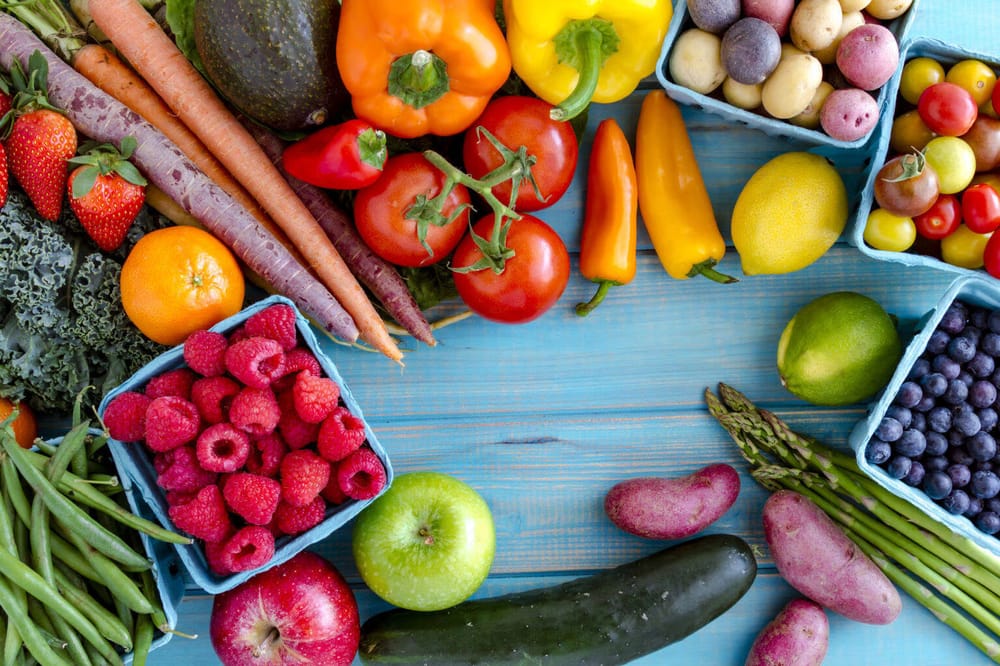
Ever pondered why tomatoes and fellow nightshades such as eggplants and peppers sometimes get a bad rap on elimination diets despite being nutrient powerhouses?
While these vegetables boast antioxidants, vitamins, and essential nutrients, they also contain glycoalkaloids - compounds that may trigger digestive issues for some individuals but offer benefits too. Allegations of increased inflammation have led to their exclusion from certain diets; however, human research supporting this claim is lacking.
Conversely, these veggies provide valuable nutrients like lycopene renowned for its anti-inflammatory properties alongside antioxidant vitamins A and C. Their fiber and water content promote gut health.
In essence: While avoiding nightshades might benefit a few individuals based on personal experience, most people can enjoy them without adverse effects. Their nutrient richness far outweighs any minimal negative impacts.
If you notice discomfort or pain after consuming specific foods - perhaps joint ache after tomato-rich meals - eliminating them briefly can aid in pinpointing triggers. Stay observant about how various foods affect your well-being; consider maintaining a food journal for insights into your tolerance towards nightshades.
2. Conventional vs. Organic Produce:
Concerns about pesticides on conventionally grown fruits and vegetables have led many to prefer organic options. Organic produce is cultivated without synthetic chemicals, offering potential health and environmental benefits. Despite claims of lower nutrient levels in conventional produce, research suggests the differences may not be significant enough to sway choices between organic and conventional farming practices.
In a world where organic may not always be accessible or affordable, consuming any fruits and vegetables available is crucial for overall well-being. While opting for organic whenever possible is ideal, washing produce thoroughly and choosing natural packaging or locally sourced products can help reduce pesticide exposure.

3. Antinutrients in Plant Foods:
Recent trends around antinutrients in plant foods have caused some to question the safety of consuming certain vegetables, legumes, nuts, and seeds. These naturally occurring compounds like oxalates, phytic acid, lectins, saponins, and tannins are designed to protect plants from predators but may hinder nutrient absorption in humans.
While antinutrients can pose challenges like mineral absorption interference, they also offer health benefits such as cholesterol reduction and gut health support. Understanding the balance between potential risks and advantages of antinutrient-rich foods is essential for making informed dietary choices.
For instance, lectin in beans and legumes may combat cancer cells, lower diabetes and obesity risks, and weaken HIV. Dark leafy greens like spinach are low-calorie but high in vitamins A, K, C, plus beta-carotene, lutein, and manganese. Nuts' fiber aids gut health while providing healthy fats, protein, and a wealth of vitamins.
Regular consumption of beans, legumes, veggies, fruits, whole grains, and nuts (like the Mediterranean Diet) can prevent diseases like cancer and heart issues for longevity. Low nut diets may increase diabetes and heart disease mortality risk.
To thrive long-term healthily, embrace nutrient-rich plant foods including those with "antinutrients." Variety is key to support:
- Brain function
- Enhanced vision
- Appetite control
- Lower cancer risk
- Stable blood sugar
- Heart health
- Radiant skinGut health
Mitigate antinutrient effects on absorption through food processing methods like soaking or cooking. Balancing meals with diverse foods throughout the day can also aid absorption efficiency.
While navigating nutrition trends can be daunting amid conflicting advice, prioritizing vegetable intake remains timeless wisdom. Remember that diet preferences are personal—what works for one may not suit another. Stay curious about your body's response to food choices rather than blindly following influencers' guidance.

See other posts like this one:

Friday, June 07, 2024
Understanding Overeating and Undereating: Recognizing the Signs and How to Address Them