


Monday, June 24, 2024
Balancing Act: Mastering Recovery to Avoid Overtraining
Don't let overtraining derail your fitness goals. Discover the key to achieving balance through proper recovery techniques and avoid burnout with these helpful tips.
Introduction
Burnout, stress syndrome, under-recovery, failure adaptation, chronic fatigue, under-performance, staleness, extreme over-reaching—what do all these terms describe? They're all symptoms of muscle fatigue, more commonly known as overtraining. For fitness enthusiasts, cardio lovers, and Pilates practitioners, maintaining the right balance between training and recovery is crucial. This guide will take you through what overtraining is, how to recognize its symptoms and practical tips and tricks to overcome it.
What Is Overtraining?
Overtraining occurs when you push your body beyond its ability to recover. While training hard is often seen as a badge of honor in fitness circles, overdoing it can lead to diminishing returns and even harm your progress.
The Physiology Behind Overtraining
When you exercise, your muscles experience small tears that need time to heal. The healing process makes them stronger. However, without sufficient recovery time, these muscles remain in a weakened state, leading to overtraining.
The Psychological Impact
Overtraining can also have psychological effects. Constantly pushing your limits without adequate rest can lead to mental exhaustion, decreased motivation, and even depression.
Are You at Risk?
Fitness enthusiasts, especially those who are passionate about high-intensity workouts and cardio routines, are at a higher risk of overtraining. The key is to find a balanced approach that maximizes performance without compromising health.
What Are the Symptoms of Overtraining?
Understanding the symptoms of overtraining is the first step toward addressing the issue. These symptoms can be both physical and emotional, affecting your overall well-being.
Physical Symptoms
Fatigue is the most common symptom, but it’s far from the only one. You might also experience persistent muscle soreness, frequent injuries, and even a weakened immune system. If you find that minor colds or injuries are taking longer to heal, overtraining could be the culprit.
Emotional Symptoms
While physical symptoms are more noticeable, emotional changes can be equally telling. Mood swings, irritability, and lack of motivation are common signs. In severe cases, overtraining can even lead to depression and anxiety.
Performance Indicators
One of the most frustrating symptoms for fitness enthusiasts is a plateau or decline in performance. If you’re working harder but seeing fewer results, overtraining might be to blame. Pay attention to your body’s signals and take action before things get worse.
What Can You Do to Overcome Overtraining?
Overcoming overtraining involves a combination of strategy, self-awareness, and sometimes, professional guidance. Here are some actionable steps you can take.
Prioritize Rest and Recovery
Rest is crucial for muscle repair and growth. Ensure you’re getting enough sleep and incorporating rest days into your workout routine. Active recovery, like light stretching or yoga, can also be beneficial.
Nutrition and Hydration
Proper nutrition fuels your body and aids in recovery. Focus on a balanced diet rich in protein, healthy fats, and carbohydrates. Don’t forget to stay hydrated, as water plays a vital role in muscle function and recovery.
Gradual Progression
Avoid the temptation to jump into high-intensity workouts without proper conditioning. Gradually increase the intensity and duration of your workouts to give your body time to adapt.
Importance of Listening to Your Body
Your body sends signals when it’s close to its breaking point. Learning to listen to these signals can help you prevent overtraining.
Recognize Early Signs
The sooner you recognize the signs of overtraining, the easier it will be to address them. Keep a workout journal to track your physical and emotional state along with your performance metrics.
Mental Check-ins
Regular mental check-ins can help you gauge your emotional well-being. Take a moment to assess your motivation and enjoyment levels. If you’re constantly feeling drained or dreading your workouts, it might be time for a break.
Professional Guidance
Sometimes, consulting a fitness professional or a physical therapist can provide valuable insights. They can help you create a balanced workout plan tailored to your needs.
Incorporating Variety in Training
Variety is the spice of life, and it holds true for fitness as well. Mixing up your routine can prevent overtraining and keep your workouts exciting.
Cross-Training
Cross-training involves incorporating different types of exercises into your routine. If you’re a runner, try adding swimming or cycling to your regimen. This not only prevents monotony but also reduces the risk of overuse injuries.
Strength Training
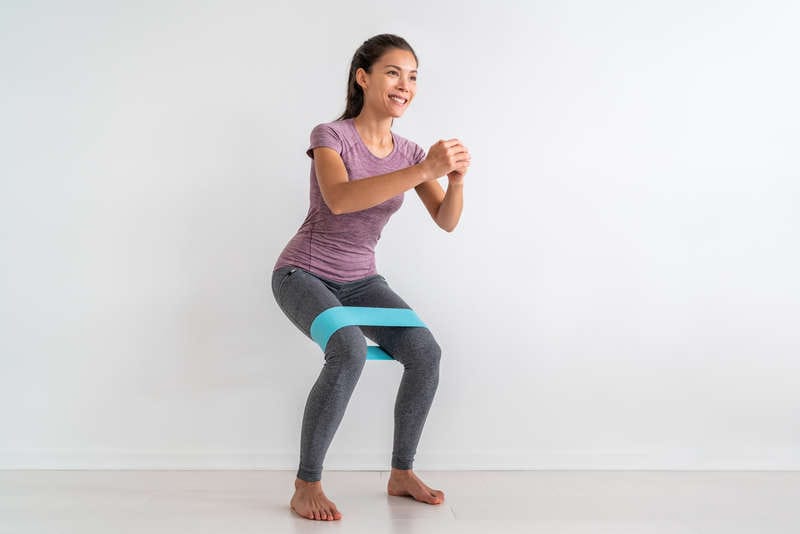
Strength training complements cardio workouts by building muscle and improving overall fitness. Incorporate weightlifting or resistance band exercises into your weekly routine.
Flexibility and Mobility
Flexibility and mobility exercises, such as yoga or Pilates, can enhance your performance and prevent injuries. These exercises improve your range of motion and help in muscle recovery.
Setting Realistic Goals
Setting achievable goals can help you maintain a balanced approach to fitness. Unrealistic expectations can lead to overtraining and disappointment.
Short-term vs. Long-term Goals
Both short-term and long-term goals are essential. Short-term goals keep you motivated, while long-term goals provide a broader vision of your fitness journey. Make sure your goals are specific, measurable, attainable, relevant, and time-bound (SMART).
Celebrate Milestones
Celebrating small victories can keep you motivated and focused. Whether it’s hitting a new personal best or consistently attending your workouts, acknowledge your achievements.
Adjusting Goals
It’s okay to adjust your goals based on your progress and well-being. Flexibility in goal-setting can prevent burnout and keep you engaged in your fitness routine.
Benefits of a Balanced Fitness Routine
A balanced fitness routine not only enhances performance but also improves overall well-being. Here’s how you can achieve it.
Physical Health
Regular, balanced exercise improves cardiovascular health, strengthens muscles, and boosts immunity. It also reduces the risk of chronic diseases like diabetes and hypertension.
Mental Health
Physical activity releases endorphins, which are natural mood lifters. A balanced fitness routine can reduce stress, anxiety, and depression, contributing to better mental health.
Social Connections
Group fitness activities can provide a sense of community and belonging. Whether it’s a running club or a Pilates class, social connections can enhance your fitness experience.

Understanding the Role of Stress Management
Stress management is a crucial aspect of overcoming overtraining. Chronic stress can exacerbate the symptoms of overtraining and hinder recovery.
Mindfulness and Meditation
Practices like mindfulness and meditation can help manage stress and improve mental clarity. Incorporate these practices into your daily routine to enhance overall well-being.
Leisure Activities
Engaging in leisure activities that you enjoy can provide a mental break from intense workouts. Whether it’s reading, gardening, or painting, these activities can help reduce stress.
Professional Help
If stress becomes unmanageable, seeking professional help from a counselor or therapist can provide valuable support. They can help you develop coping strategies to manage stress effectively.
Importance of Regular Health Check-ups
Regular health check-ups are essential for fitness enthusiasts. They can help monitor your overall health and catch any issues early.
Physical Assessments
Regular physical assessments can help track your fitness progress and identify any potential problems. Consult your healthcare provider for routine check-ups.
Blood Tests
Blood tests can provide insights into your nutritional status and overall health. They can identify deficiencies that might affect your performance and recovery.
Specialist Consultations
Consulting specialists, such as nutritionists or sports medicine doctors, can provide personalized advice based on your specific needs and goals.
Utilizing Technology for Better Training
Technology can be a valuable tool in preventing and overcoming overtraining. Here’s how you can leverage it.
Fitness Trackers
Fitness trackers can monitor your activity levels, heart rate, and sleep patterns. This data can help you make informed decisions about your training and recovery.
Mobile Apps
There are numerous mobile apps designed to enhance your fitness experience. From workout plans to meditation guides, these apps can provide valuable resources.
Online Communities
Online communities offer support and motivation. Join forums or social media groups focused on fitness to connect with like-minded individuals and share experiences.
Conclusion
Overtraining is a common pitfall for fitness enthusiasts, but it’s entirely avoidable with the right approach. By understanding the symptoms, prioritizing recovery, and incorporating variety into your training, you can achieve a balanced and sustainable fitness routine. Remember, the goal is to enjoy the process and celebrate your progress along the way.
If you’re looking for personalized guidance, consider booking a session with one of our expert trainers. They can help you create a workout plan tailored to your needs and ensure you stay on the path to success.
Stay motivated, listen to your body, and enjoy every step of your fitness journey!

See other posts like this one:

Wednesday, June 26, 2024
Transform Your Body with the Ultimate Core and Cardio Toning Workout Routine for Women



Wednesday, June 26, 2024
Dance Your Way to Better Health The 8 Transformative Benefits of Zumba for Seniors

Tuesday, June 25, 2024
How Many Calories Do I Burn a Day? Discover the Secrets to Understanding Your Daily Energy Expenditure





Tuesday, June 25, 2024
Morning or Afternoon Workouts? Explore the Benefits and Downsides of Fasted vs. Fed



Tuesday, June 25, 2024
Unleash Your Inner Beast Sculpting Your Lower Body with Monster Walks

Monday, June 24, 2024
Rise and Shine Stretch Time How to Start Your Perfect Morning Stretch Routine



