Thursday, July 04, 2024
Build Stronger Knees with These 7 Essential Exercises
Strengthening your knees is essential for a pain-free and active lifestyle. Try these seven exercises to keep your knees strong and healthy.
Introduction
Whether you're an athlete, a fitness enthusiast, or a physical therapist, you know the importance of maintaining strong knees. These crucial joints not only support your body weight but also enable you to perform a variety of movements. Unfortunately, knee pain and injuries are common, affecting people of all ages and activity levels. But how can you keep your knees strong and healthy? The answer lies in targeted exercises designed to strengthen the muscles around the knee. In this blog post, we'll explore seven essential knee-strengthening exercises that you need to incorporate into your routine. We'll also cover the anatomy of the knee joint and its various functions to help you understand why these exercises are so effective.
What Exactly is the Knee?
Understanding Knee Anatomy
The knee is one of the most complex and largest joints in the human body. It connects the thigh bone (femur) to the shin bone (tibia) and includes other smaller bones like the kneecap (patella) and the fibula. The knee joint is a hinge joint, allowing for bending and straightening, but it also provides a small degree of rotation.
The Role of Ligaments and Tendons
Ligaments and tendons play a crucial role in the knee's stability and movement. Ligaments connect bones to other bones, while tendons connect muscles to bones. The major ligaments in the knee include the anterior cruciate ligament (ACL), posterior cruciate ligament (PCL), medial collateral ligament (MCL), and lateral collateral ligament (LCL). These ligaments work together to provide stability and prevent excessive movement that could lead to injury.
Cartilage and Menisci
The knee also contains cartilage and menisci, which act as shock absorbers and provide cushioning between the bones. The menisci are two C-shaped pieces of cartilage that sit between the femur and tibia, helping to distribute weight and reduce friction during movement.
What are the Uses of the Knee Joint?
Weight-Bearing and Stability
The knee joint is essential for weight-bearing activities. Whether you're standing, walking, or running, your knees bear a significant portion of your body weight. Strong knees provide stability and balance, preventing falls and injuries.
Range of Motion
The knee allows for a wide range of motion, including bending, straightening, and slight rotation. This range of motion is crucial for everyday activities such as climbing stairs, sitting down, and getting up from a chair.
Athletic Performance
For athletes, strong knees are vital for optimal performance. Whether you're a runner, cyclist, or basketball player, your knees play a crucial role in your ability to perform at your best. Strengthening the muscles around the knee can improve your performance and reduce the risk of injury.
Our Top 7 Knee-Strengthening Exercises
1. Reverse Calf Raises
How to Perform Reverse Calf Raises
Reverse calf raises are excellent for targeting the muscles around the knee, particularly the calves and shins. Stand on the edge of a step or a sturdy platform with your heels hanging off. Slowly lower your heels below the step, then raise them back up as high as you can. Repeat for three sets of 10-15 repetitions.
Benefits of Reverse Calf Raises
This exercise helps to strengthen the calf muscles, which play a crucial role in knee stabilization. Strong calves can help to reduce the strain on the knee joint, preventing injuries and improving overall leg strength.
Tips for Maximum Effectiveness
Make sure to perform this exercise slowly and with control to maximize muscle engagement. You can also increase the difficulty by holding a dumbbell in each hand or wearing a weighted vest.
2. Leg Extensions
How to Perform Leg Extensions
Leg extensions are performed using a leg extension machine commonly found in gyms. Sit on the machine with your legs under the padded bar. Slowly extend your legs until they are straight, then lower them back down. Aim for three sets of 12-15 repetitions.
Benefits of Leg Extensions
Leg extensions primarily target the quadriceps, the large muscles at the front of your thighs. Strong quadriceps are essential for supporting the knee joint and reducing the risk of injury.
Tips for Maximum Effectiveness
Ensure you use a weight that allows you to complete the repetitions with good form. Avoid locking your knees at the top of the movement to prevent unnecessary strain on the joint.
3. Wall Squats
How to Perform Wall Squats
Stand with your back against a wall and your feet shoulder-width apart. Slowly slide down the wall until your thighs are parallel to the ground, forming a 90-degree angle at the knees. Hold this position for 20-30 seconds, then slide back up. Repeat for three sets.
Benefits of Wall Squats
Wall squats are excellent for strengthening the quadriceps, hamstrings, and glutes. This exercise also helps to improve knee stability and endurance.
Tips for Maximum Effectiveness
Focus on keeping your back flat against the wall and your knees aligned with your toes. Increase the duration of the hold as you become more comfortable with the exercise.

4. Deep Body Squats
How to Perform Deep Body Squats
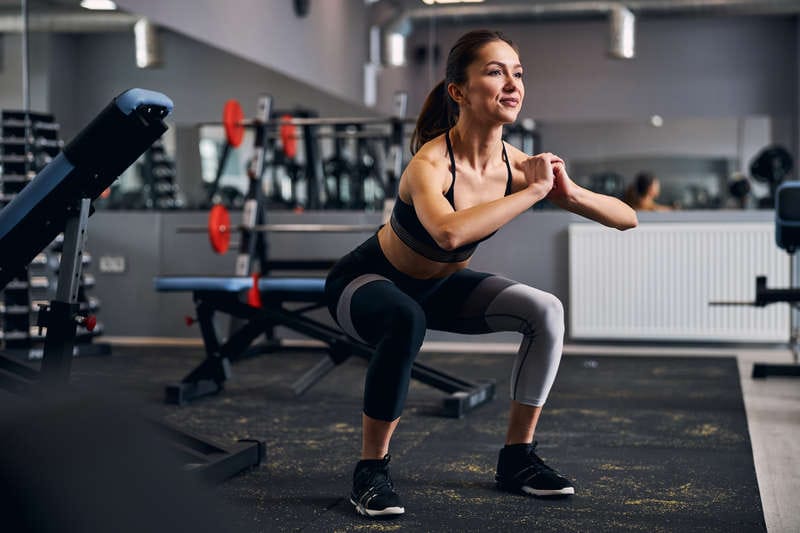
Stand with your feet shoulder-width apart and your arms extended in front of you. Lower your body as if you're sitting back in a chair, keeping your chest up and your knees behind your toes. Go as deep as you can, then push through your heels to return to the starting position. Perform three sets of 10-12 repetitions.
Benefits of Deep Body Squats
Deep body squats engage multiple muscle groups, including the quads, hamstrings, glutes, and calves. This exercise improves overall leg strength and enhances knee stability.
Tips for Maximum Effectiveness
Maintain proper form throughout the movement to avoid putting unnecessary strain on your knees. You can use a chair or bench as a guide to ensure you're going deep enough.
5. Step Ups
How to Perform Step-Ups
Use a sturdy bench or step for this exercise. Step up onto the bench with your right foot, then bring your left foot up to meet it. Step back down with your right foot, followed by your left. Repeat for three sets of 10-12 repetitions on each leg.
Benefits of Step Ups
Step-ups target the quadriceps, hamstrings, and glutes, making them an excellent exercise for knee strength and stability. They also mimic real-life activities like climbing stairs.
Tips for Maximum Effectiveness
Keep your movements controlled and focus on squeezing your glutes at the top of the movement. You can increase the intensity by holding dumbbells in your hands.
6. Deep-Forward Lunges
How to Perform Deep-Forward Lunges
Stand with your feet together and take a big step forward with your right foot. Lower your body until your right thigh is parallel to the ground and your left knee is just above the floor. Push through your right heel to return to the starting position. Repeat for three sets of 10-12 repetitions on each leg.
Benefits of Deep-Forward Lunges
Lunges are great for building strength in the quads, hamstrings, and glutes. They also help improve balance and flexibility, which are crucial for knee health.
Tips for Maximum Effectiveness
Ensure your front knee doesn't extend past your toes to avoid putting too much strain on the joint. You can hold dumbbells for added resistance.
7. Duck Walk
How to Perform Duck Walk
Start by squatting down until your thighs are parallel to the ground. Begin walking forward in this position, taking small steps. Continue for 30-60 seconds and repeat for three sets.
Benefits of Duck Walk
Duck walks engage the quads, hamstrings, and glutes, providing a comprehensive workout for the lower body. This exercise also enhances knee stability and flexibility.
Tips for Maximum Effectiveness
Keep your chest up and maintain a low squat position throughout the exercise. Focus on taking smooth, controlled steps to maximize muscle engagement.
Conclusion
Strong knees are essential for a healthy, active lifestyle. By incorporating these seven knee-strengthening exercises into your routine, you'll enhance your overall leg strength, improve stability, and reduce the risk of injury. Remember, consistency is key. Aim to perform these exercises at least two to three times a week for the best results.
Interested in taking your fitness to the next level? Book a session with one of our expert trainers who can provide personalized guidance and additional exercises tailored to your needs. Your knees will thank you!

See other posts like this one:

Sunday, July 07, 2024
Deliciously Healthy Treats How to Make Keto-Friendly Vanilla Protein Donuts










Sunday, July 07, 2024
Discover the Delightful Benefits of Sweet Potatoes for Your Health and Palate



Sunday, July 07, 2024
Wholesome Snacking Made Delicious with Vanilla Almond Butter Protein Granola