Tuesday, July 02, 2024
Building Strength from Scratch Easy Steps to Start Lifting Weights
Ready to start lifting weights but not sure where to begin? Our easy-to-follow guide will give you the confidence and knowledge you need to build strength and get fit. Let's do this!
Are you ready to start lifting weights? If you’ve heard anything about weightlifting being the fountain of youth, you’re probably raring to go! But, taking a few minutes to figure out the basics and get started on the right foot can go a long way toward a long-term, productive, and hopefully injury-free weightlifting lifestyle.
What is Weightlifting?
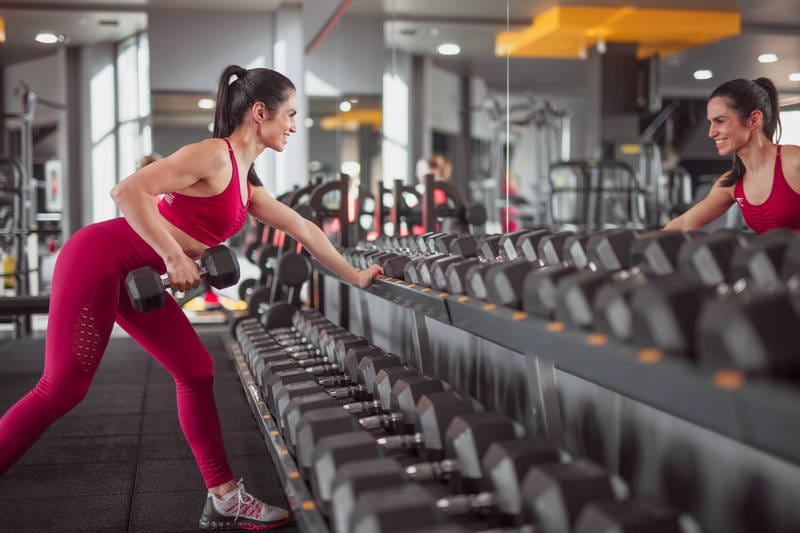
Weightlifting is a form of exercise that involves lifting heavy weights to build muscle strength and endurance. It’s a popular workout method for people of all fitness levels. From casual gym-goers to professional athletes, everyone can benefit from integrating weights into their fitness routine.
There are various forms of weightlifting. You might have heard of Olympic weightlifting, powerlifting, or bodybuilding. While each has its unique focus and techniques, they all share the same underlying principle—using resistance to improve muscle function.
Getting started with weightlifting doesn’t mean you need to aim for massive weights or complex movements immediately. The key is to start small and gradually build up strength and confidence.
What are the Benefits of Weightlifting?
Weightlifting offers numerous benefits beyond just building muscle. It can positively affect overall health, improve mental well-being, and enhance physical appearance. Understanding these benefits can motivate you to stay consistent with your weightlifting routine.
One of the most notable benefits is increased muscle mass. Building muscle helps boost your metabolism, allowing you to burn more calories even at rest. This can be particularly beneficial for weight management.
Weightlifting also strengthens bones and joints. It can improve bone density, thus reducing the risk of osteoporosis. Additionally, it enhances joint stability and flexibility, which can help prevent injuries.
Mental health benefits shouldn't be overlooked. Regular weightlifting can reduce symptoms of anxiety and depression, boost mood, and improve self-esteem. The sense of accomplishment from lifting heavier weights over time can be incredibly empowering.

Weightlifting Rules of Thumb
Before stepping into the weight room, it’s essential to familiarize yourself with some basic rules of thumb. These guidelines will help ensure your workouts are safe and effective.
Firstly, always prioritize form over weight. Proper form reduces the risk of injury and ensures that you're effectively targeting the intended muscles. If you're unsure about your form, consider working with a personal trainer initially.
Progressive overload is another critical concept. This means gradually increasing the weight, frequency, or number of repetitions in your workouts. This principle helps your muscles adapt and grow stronger over time.
Rest and recovery are just as important as the workouts themselves. Muscles need time to repair and grow stronger after being stressed during exercise. Make sure to incorporate rest days into your routine and get plenty of sleep.
Types of Weightlifting Splits
Weightlifting splits refer to how you divide your workouts throughout the week. Different splits can target various muscle groups and fit different schedules. Here are a few common types:
A full-body split involves working out all major muscle groups in each session. This is ideal for beginners and those with limited time to spend in the gym. Typically, you might do three full-body workouts per week.
An upper/lower split divides your workouts into upper-body and lower-body sessions. For example, you might work on your upper body on Mondays and Thursdays and your lower body on Tuesdays and Fridays. This allows for more focus on each muscle group and gives ample recovery time.
Push/pull/legs (PPL) split separates workouts into pushing movements (like chest and triceps), pulling movements (like back and biceps), and leg exercises. This split is great for more experienced lifters who want to target specific muscle groups more intensely.
Weightlifting Workouts for Beginners
Starting with beginner-friendly workouts is crucial for building a solid foundation. These routines focus on mastering basic movements and gradually increasing intensity. Here are some sample workouts:
Chest/Shoulders/Triceps
Bench Press - 3 sets of 8-10 reps
Shoulder Press - 3 sets of 8-10 reps
Tricep Dips - 3 sets of 12-15 reps
Chest Flyes - 3 sets of 10-12 reps
Lateral Raises - 3 sets of 12-15 reps
Back/Biceps
Pull-Ups - 3 sets of 6-8 reps
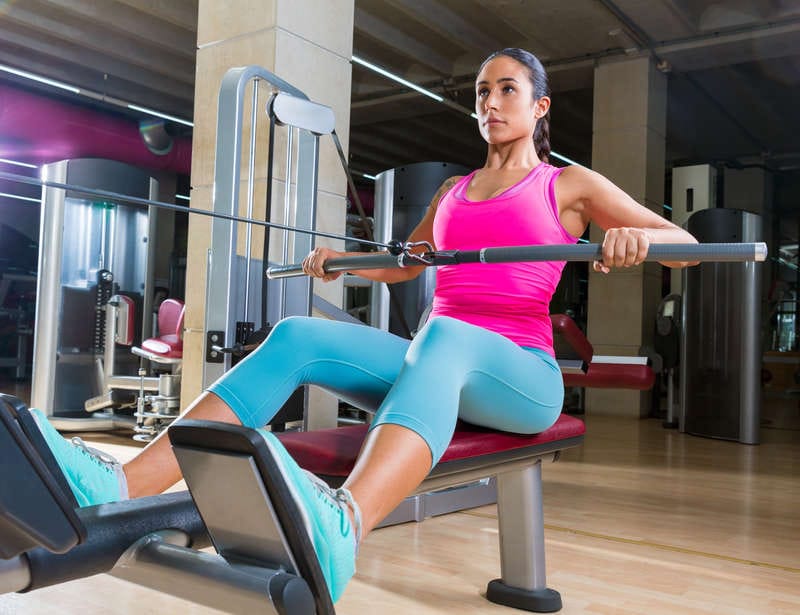
Bent Over Rows - 3 sets of 8-10 reps
Bicep Curls - 3 sets of 10-12 reps
Lat Pulldowns - 3 sets of 10-12 reps
Face Pulls - 3 sets of 12-15 reps
Legs/Calves/Abs
Squats - 3 sets of 8-10 reps
Leg Press - 3 sets of 10-12 reps
Calf Raises - 3 sets of 12-15 reps
Leg Curls - 3 sets of 10-12 reps
Planks - Hold for 1 minute, 3 times
Conclusion
Starting a weightlifting routine can seem daunting, but the benefits far outweigh the initial challenges. By understanding what weightlifting entails, recognizing its numerous benefits, and following fundamental rules, you can set yourself up for success.
Use the different weightlifting splits to find a routine that suits your schedule and goals. Begin with beginner-friendly workouts to build a solid foundation and gradually increase intensity as you become more comfortable.
Remember, weightlifting is not just about lifting weights—it's about lifting your confidence, health, and overall quality of life. Start lifting today and experience the transformative power of weightlifting. If you need personalized guidance, consider booking a session with a certified trainer to ensure you're on the right path. Happy lifting!

See other posts like this one:



Friday, November 15, 2024
Understanding the Difference Between Tight and Stiff Muscles (and How to Loosen Them)





Friday, November 15, 2024
Too Busy to Exercise? Here’s a 15-Minute Full-Body Workout You Can Do Anywhere

Friday, November 15, 2024
Slugging, Slicking, or Slathering: What’s the Best Way to Hydrate Your Skin?