

Wednesday, June 05, 2024
Discover the 16+ Best Foods to Soothe an Upset Stomach
From ginger to bananas, find out which foods are best for easing an upset stomach and keeping your digestive system happy and healthy. Say goodbye to tummy troubles with these simple tips!
From overeating to stress, food poisoning, or even motion sickness, an upset stomach is never pleasant. Chronic discomfort like cramping, nausea, and frequent bathroom visits can be embarrassing. Whether you've lost your appetite or are rummaging for stomach-settling foods, find relief here.
Quick Tips for Soothing Your Stomach:
- Track your diet to identify triggers and consider soluble fiber-rich foods.
- Keep stress levels in check to ease tummy troubles.
- Stay hydrated with water, teas, or electrolytes.
- Opt for smaller snacks throughout the day instead of large meals.
Avoid sugar alcohols in low-calorie sweeteners and insoluble fiber foods.
Further recommendations include reviewing your medications and introducing probiotics to restore gut health.
Healing Foods for Upset Stomachs:
1. Bananas
Bananas, a crucial part of the BRAT diet, are gentle on the stomach. They offer hydration and fiber, aiding digestion in cases of constipation. Moreover, they replenish nutrients like potassium lost during diarrhea and provide carbohydrates to combat fatigue. Their simplicity - just peel and eat - makes them a convenient choice even when cooking feels overwhelming.
Green bananas have numerous health benefits, including alleviating diarrhea. For a delightful treat, consider blending frozen bananas with a hint of cinnamon or collagen protein to create your own DIY banana soft-serve ice cream that's both easy to consume and digest.
2. Rice
Rice, representing the 'R' in BRAT, is another stomach-soothing option ideal for individuals dealing with diarrhea. While brown rice offers more nutrients, white rice is easier on an upset stomach since it breaks down faster. To avoid exacerbating discomfort, skip adding flavorful toppings. Instead, consider incorporating some bone broth or collagen powder for added protein to aid in recovery.
3. Apples
Apples stand as the 'A' in the BRAT diet due to their rich pectin content - a digestible fiber that becomes more easily tolerated when stewed. Applesauce not only serves as a bland but palatable option for sensitive stomachs but also packs a nutrient punch with vitamins and antioxidants. However, individuals with IBS may need to exercise caution with apples as their fermentable sugars could potentially worsen symptoms.
4. Toast
Toast, the final component of the BRAT diet, is gentle on the stomach and easy to digest. Opting for white bread toast, lower in fiber, can aid in breaking down food and alleviating nausea or heartburn. Avoid rich or sweet toppings like peanut butter and jam, which can hinder relief. If you have gluten sensitivity, plain white rice cakes can be a suitable substitute.
While the BRAT diet was traditionally recommended for upset stomachs and diarrhea, it lacks essential nutrients necessary for recovery as identified by doctors and researchers since the late 1990s. Though these options are stomach-friendly, an excessively restrictive diet should be avoided. Consider incorporating other nutritious foods to accelerate your recovery process, such as:
5. Apple Cider Vinegar
Apple Cider Vinegar contributes enzymes and probiotics that support healthy gut flora growth and may ease bloating by aiding intestinal relaxation. Its acidity can also improve nutrient absorption.
For a potentially more palatable yet probiotic-rich alternative, opt for low-sugar kombucha.
6. Broth-Based Soups
Foundational in recovery from various illnesses, broth-based soups are easily digestible and packed with essential vitamins, minerals, and nutrients required for recuperation while aiding hydration restoration post-vomiting or diarrhea episodes.
7. Protein
Protein is vital for recovery; however, fatty meats like red meat could challenge digestion during stomach distress. Choose lean proteins like skinless chicken or fish with minimal seasoning for easier digestion. Cooking methods such as broiling, roasting, or grilling are preferable over frying or sautéing.
Eggs are another protein source that's generally well-tolerated — especially scrambled eggs alongside dry white toast.
8. Crackers
Though not typically part of a daily diet regimen when unwell with reduced appetite due to sickness, easily digestible foods like plain saltine crackers made from white flour can help settle an upset stomach.

9. Greek Yogurt
Greek yogurt is known to soothe upset stomachs if dairy agrees with you; it's rich in probiotics and protein but avoid sugary versions. Enhance its benefits by adding flavored collagen powder or unsweetened applesauce.
Various types of yogurt containing live probiotics — from traditional unstrained varieties to Icelandic skyr to almond milk alternatives — offer similar benefits if lactose isn't tolerated well.
10. Easily-Digested Vegetables
Raw vegetables can exacerbate stomach problems due to difficulty in digestion; boiled vegetables like green beans, carrots, tomatoes celery, and spinach are milder options that provide essential nutrients without worsening symptoms—they can also be added to soups for variety.
11. Probiotic-Rich Foods
Kefir is a lesser-known but potent probiotic source beneficial alone or mixed into smoothies—it supports immunity and aids gastrointestinal health during recovery processes by fostering diverse gut microflora—a key factor in fighting infections Avoid high-sugar variants that may worsen your condition.
12. Soothe Your Stomach with Natural Remedies
Forget sugary ginger ale – opt for real ginger in tea, raw form, or supplements to alleviate nausea and stomach issues effectively.
Chamomile calms nausea, licorice aids stomachaches, and mint eases digestive discomfort.
13. Digest Better with Papaya
Enzyme-rich papaya promotes smoother digestion, reduces bloating, and relieves constipation, historically used for stomach ulcers.
14. Gentle on the Stomach: Potatoes
Plain mashed potatoes offer easy-to-digest nutrients like potassium during unsettled stomach moments - go light on portions.
15. Calm Upset Stomachs with Pumpkin
High-fiber pumpkin soothes digestion and may help slow down diarrhea episodes.
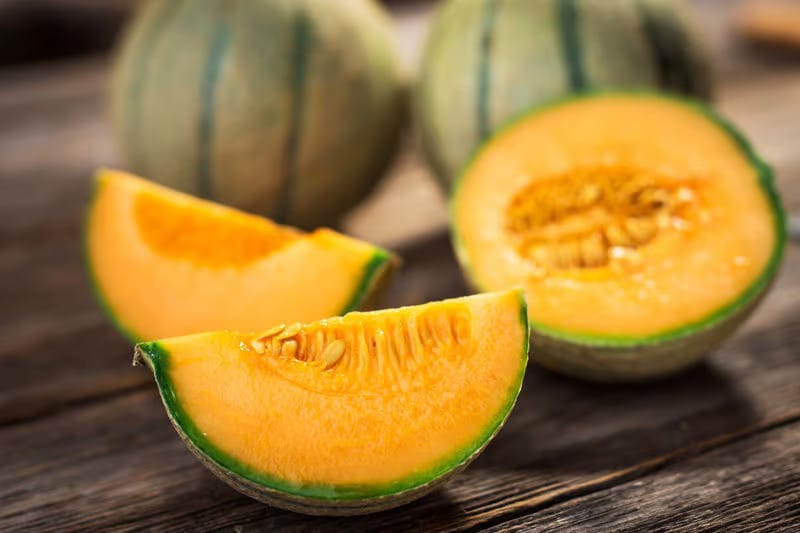
16. Easy-on-Stomach Melons and Cucumbers
Hydrating melons aid recovery while being low in fiber. Ripe fruits with seeds removed are optimal for digestion ease.
Spices like coriander, turmeric, cardamom, or fennel can aid digestion without exacerbating symptoms.
Choose your food wisely for stomach comfort by avoiding citrus fruits, fried or spicy foods, raw veggies/fruits high in fiber, sweets, and alcohol. If recurring symptoms persist (nausea, heartburn), consult a healthcare expert for tailored solutions like a low-FODMAP diet.

See other posts like this one:

Wednesday, June 26, 2024
Transform Your Body with the Ultimate Core and Cardio Toning Workout Routine for Women



Wednesday, June 26, 2024
Dance Your Way to Better Health The 8 Transformative Benefits of Zumba for Seniors

Tuesday, June 25, 2024
How Many Calories Do I Burn a Day? Discover the Secrets to Understanding Your Daily Energy Expenditure





Tuesday, June 25, 2024
Morning or Afternoon Workouts? Explore the Benefits and Downsides of Fasted vs. Fed




Tuesday, June 25, 2024
Unleash Your Inner Beast Sculpting Your Lower Body with Monster Walks

Monday, June 24, 2024
Rise and Shine Stretch Time How to Start Your Perfect Morning Stretch Routine



