Thursday, July 11, 2024
Discover the Flavorful World of Sage Sausage Scotch Eggs
From traditional pub fare to creative twists, learn how to make delicious Sage Sausage Scotch Eggs and wow your friends and family with this flavorful dish.
Introduction
Have you heard of Scotch eggs? These delightful snacks are as popular in the United Kingdom as Buffalo wings are in America. A perfectly boiled egg encased in a savory layer of sage-flavored sausage, crunchy breadcrumbs, and baked to golden perfection—what's not to love? Whether you're a seasoned home cook or just starting your culinary adventures, Sage Sausage Scotch Eggs are a must-try recipe. In this guide, we'll walk you through every step of making these delicious treats, share tips for success, and explore the history and variations of Scotch eggs. Ready to impress your friends and family with a unique and tasty dish? Let's get started.
What is a Scotch Egg?
The Basics of Scotch Eggs
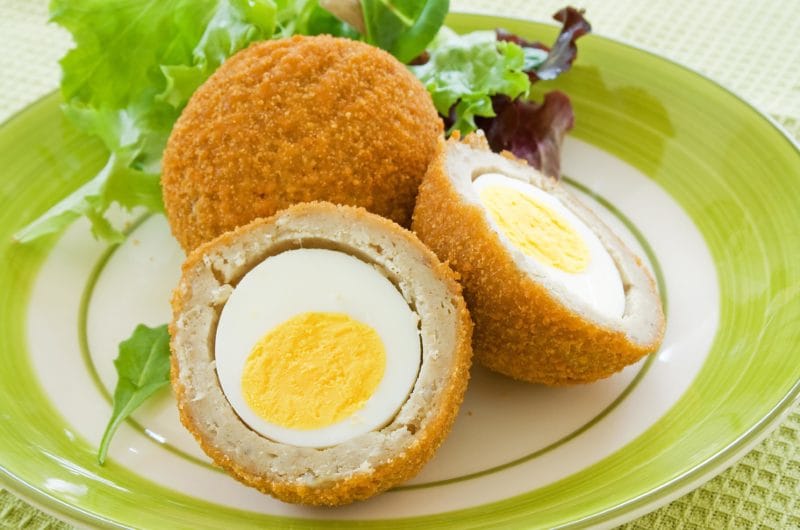
A Scotch egg is a boiled egg wrapped in sausage meat, coated in breadcrumbs, and baked or fried. The combination of textures—from the creamy yolk to the crispy outer layer—makes it an irresistible snack or appetizer. But what sets Sage Sausage Scotch Eggs apart is the addition of aromatic sage and fennel, elevating the humble Scotch egg to gourmet status.
The Origin Story
Scotch eggs have a fascinating history dating back to the 18th century. Some say they were invented by Fortnum & Mason, a luxury department store in London, as a traveling snack for wealthy coach passengers. Others believe they originated from the Indian dish nargisi kofta. Regardless of their true origin, Scotch eggs have become a beloved British classic, found in pubs, picnics, and homes across the country.
Why Choose Sage Sausage?
Sage and fennel are aromatic herbs that complement the savory sausage and rich egg yolk perfectly. Sage adds a slightly peppery, earthy flavor, while fennel brings a hint of sweetness and anise. Together, they create a balanced, flavorful coating that takes Scotch eggs to the next level. Plus, using high-quality sausage ensures a juicy, delicious bite every time.
Ingredients You'll Need
Essential Ingredients for Sage Sausage Scotch Eggs
- 1 cup of panko breadcrumbs
- 2 beaten eggs for coating
- 1 cup of all-purpose flour
- Salt and pepper to taste
- 1 teaspoon of fennel seeds
- 1 tablespoon of fresh sage, chopped (or 1 teaspoon dried sage)
- 1 pound of high-quality sausage meat (pork or your preferred choice)
- 6 large eggs
Optional Add-ins
Feel free to get creative with your Scotch eggs by adding other herbs and spices. Some popular options include:
- Chopped parsley for freshness
- Garlic powder for added depth
- Paprika for a smoky flavor
Preparing Your Ingredients
Before you start assembling your Scotch eggs, make sure all your ingredients are prepped and ready to go. Boil your eggs just until the yolks are set but still slightly creamy. Chop your sage finely, and measure out your spices and breadcrumbs.
Step-by-Step Guide to Making Sage Sausage Scotch Eggs
Step 1: Boil the Eggs
Start by boiling your eggs. Place them in a pot of cold water and bring to a boil. Once boiling, cook for 4-5 minutes for a softer yolk or 7-8 minutes for a firmer yolk. Immediately transfer the eggs to an ice bath to stop the cooking process. Once cooled, peel the eggs and set them aside.
Step 2: Prepare the Sausage Mixture
In a mixing bowl, combine the sausage meat, chopped sage, fennel seeds, salt, and pepper. Mix well to evenly distribute the herbs and spices. Divide the sausage mixture into six equal portions.
Step 3: Assemble the Scotch Eggs
Take one portion of the sausage mixture and flatten it into a thin patty. Place a boiled egg in the center and gently wrap the sausage around the egg, ensuring it is completely covered. Repeat with the remaining eggs and sausage.
Step 4: Coat the Scotch Eggs
Set up a breading station with three shallow bowls. Fill the first with flour, the second with beaten eggs, and the third with panko breadcrumbs. Roll each sausage-wrapped egg in the flour, dip in the beaten eggs, and coat with breadcrumbs. Make sure each egg is evenly coated.
Step 5: Bake to Perfection
Preheat your oven to 400°F (200°C). Place the coated Scotch eggs on a baking sheet lined with parchment paper. Bake for 25-30 minutes or until the sausage is cooked through and the breadcrumbs are golden and crispy.
Tips for Perfect Scotch Eggs
Achieving the Ideal Texture
For the best results, make sure your sausage layer is not too thick or too thin. A quarter-inch thickness is ideal for a balanced bite. Additionally, using panko breadcrumbs helps achieve a crispy outer layer without the need for deep frying.
Flavor Enhancements
Don't be afraid to experiment with different herbs and spices to suit your taste. Adding a pinch of chili flakes can give your Scotch eggs a spicy kick, while a touch of lemon zest can add a refreshing zing.
Serving Suggestions
Sage Sausage Scotch Eggs are versatile and can be enjoyed warm or cold. Serve them with a side of mustard or a tangy dipping sauce for extra flavor. They're perfect for picnics, parties, or as a hearty snack.
Health Benefits of Sage Sausage Scotch Eggs
Nutritional Value
Scotch eggs provide a good source of protein, thanks to the combination of eggs and sausage. Depending on your choice of sausage, you can also get essential vitamins and minerals, such as B12, iron, and zinc.
Customizing for Dietary Needs
If you're watching your fat intake, consider using lean sausage or turkey sausage. For a gluten-free option, use gluten-free breadcrumbs and flour. Vegetarians can substitute the sausage with a plant-based alternative.
Balanced Eating
While Scotch eggs are a delicious treat, it's important to enjoy them as part of a balanced diet. Pair them with fresh vegetables or a salad to create a well-rounded meal.

Exploring Variations of Scotch Eggs
Classic vs. Modern Takes
Traditional Scotch eggs are typically made with pork sausage, but modern variations are endless. Try using chorizo for a spicy twist, or lamb sausage for a richer flavor. There's a version for every palate.
International Inspirations
Scotch eggs have inspired similar dishes around the world. In Japan, you'll find "menchi katsu," a breaded and fried meatball with a soft-boiled egg inside. In the Philippines, "kwek-kwek" features quail eggs coated in an orange batter and deep-fried.
Seasonal and Festive Variations
Get creative with seasonal ingredients. During the holidays, consider adding cranberry sauce to the sausage mixture for a festive touch. In the spring, incorporate fresh herbs like dill and chives for a lighter flavor.
Pairing Scotch Eggs with Beverages
Best Drinks to Complement Scotch Eggs
The rich, savory flavors of Sage Sausage Scotch Eggs pair well with a variety of beverages. A crisp, cold beer or a refreshing cider can balance the richness of the eggs. For non-alcoholic options, try iced tea or sparkling water with a twist of lemon.
Wine Pairings
If you prefer wine, opt for a light, fruity red like Pinot Noir, or a dry white like Sauvignon Blanc. These wines complement the flavors without overpowering the dish.
Coffee and Tea Pairings
For a unique twist, enjoy your Scotch eggs with a bold cup of coffee or a robust black tea. The bitterness of the coffee or tea can balance the savory, rich flavors of the Scotch eggs.
Storing and Reheating Scotch Eggs
Proper Storage Techniques
To keep your Scotch eggs fresh, store them in an airtight container in the refrigerator. They can last up to 3 days when stored properly.
Reheating Tips
Reheat your Scotch eggs in the oven at 350°F (175°C) for about 10 minutes, or until heated through. Avoid using the microwave, as it can make the breadcrumb coating soggy.
Freezing for Later
For longer storage, you can freeze your baked Scotch eggs. Allow them to cool completely, then wrap each one individually in plastic wrap and place in a freezer-safe bag. To reheat, thaw in the refrigerator overnight and follow the oven reheating instructions.
Conclusion
Sage Sausage Scotch Eggs are a delightful and versatile dish that can elevate any meal or gathering. With their rich history, customizable flavors, and impressive presentation, they're a must-try for any food enthusiast or home cook. By following this guide, you'll be able to create perfect Scotch eggs that will impress your friends and family.
Ready to master the art of Scotch eggs? Gather your ingredients, fire up the oven, and get cooking. And if you're looking for more inspiration and tips, don't hesitate to explore our other recipes or join our food lovers' community. Happy cooking!

See other posts like this one:






Sunday, June 30, 2024
Sculpt Your Arms No Weights Needed Try This Effective Upper Body Workout







Saturday, June 29, 2024
Level Up Your Balance 7 Lateral Pelvic Tilt Exercises for Uneven Hips