Saturday, June 22, 2024
Discover the Surprising Health Benefits of Plant-Based Proteins
Learn about the unexpected ways plant-based proteins can improve your health and change your perspective on protein sources.
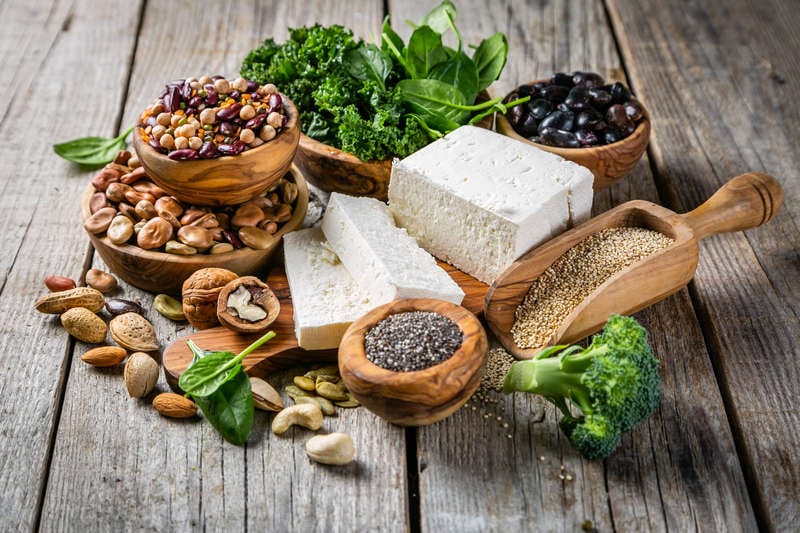
In recent years, more and more people are choosing to go plant-based, steering away from animal protein sources. Health enthusiasts, fitness beginners, vegetarians, and weight watchers alike are discovering that plant-based proteins offer an array of benefits that can lead to a healthier, more balanced lifestyle. Whether you're looking to improve your overall well-being or find sustainable dietary options, this blog will cover everything you need to know about the powerful health benefits of plant-based proteins.
Why Protein Matters
Protein is a critically important part of any diet. It is one of the most essential nutrients for the body, playing a key role in building and repairing tissues, making enzymes and hormones, and supporting immune function. Traditionally, people have relied on animal sources like meat, dairy, and eggs to meet their protein needs. However, as movements encouraging reduced meat consumption gain traction, plant-based protein sources are becoming a popular alternative. This shift is driven by both health and sustainability concerns.
Decreased Risk of Disease
One of the most compelling reasons to consider plant-based proteins is their potential to decrease the risk of chronic diseases. Studies have shown that diets rich in plant-based foods can lower the risk of heart disease, hypertension, and type 2 diabetes. This is largely due to the lower levels of saturated fats and cholesterol found in plant-based foods compared to animal products. Additionally, plant-based proteins are rich in antioxidants and anti-inflammatory compounds, which further contribute to disease prevention.
For instance, a study published in the Journal of the American Heart Association found that individuals who consumed a diet high in plant-based proteins had a significantly lower risk of developing cardiovascular diseases. Another research conducted by the Harvard T.H. Chan School of Public Health revealed that replacing animal protein with plant protein could reduce the risk of type 2 diabetes by up to 34%.
Managing Blood Sugar
Plant-based proteins can play a crucial role in managing blood sugar levels, making them an excellent choice for individuals with diabetes or those looking to prevent it. Unlike animal proteins, plant-based proteins come with fiber, which slows down the absorption of sugar into the bloodstream. This helps maintain stable blood sugar levels and reduces insulin spikes.
A study in the American Journal of Clinical Nutrition found that participants who consumed a diet rich in plant-based proteins experienced better blood sugar control compared to those who consumed animal proteins. Foods like beans, lentils, and quinoa are not only high in protein but also packed with fiber, making them ideal for blood sugar management.
Lowering Cholesterol
High cholesterol levels are a major risk factor for heart disease. Fortunately, incorporating plant-based proteins into your diet can help lower cholesterol levels. Plant-based proteins are naturally low in saturated fats and cholesterol, and some, like soy and nuts, contain compounds that actively lower LDL (bad) cholesterol levels.
According to a study published in the Journal of Nutrition, individuals who consumed soy protein experienced a significant reduction in LDL cholesterol levels compared to those who consumed animal proteins. Another research by the National Institutes of Health found that diets high in nuts and legumes were associated with lower total cholesterol levels.
Weight Loss
For those looking to shed a few pounds, plant-based proteins can be a game-changer. Plant-based diets are often lower in calories and higher in fiber, which can promote weight loss by increasing feelings of fullness and reducing overall calorie intake. Additionally, plant-based proteins are less calorie-dense than animal proteins, making it easier to manage your weight without feeling deprived.
A study in the Journal of the Academy of Nutrition and Dietetics found that participants who followed a plant-based diet lost more weight than those on a traditional diet. The high fiber content of plant-based foods helps control appetite and prevent overeating, making weight loss more manageable and sustainable in the long run.
Reduce the Risk of Illness
Plant-based proteins are packed with vitamins, minerals, and antioxidants that can boost your immune system and reduce the risk of illness. These nutrients help the body fight off infections and reduce inflammation, promoting overall health and well-being. Foods like beans, nuts, seeds, and whole grains are excellent sources of these immune-boosting compounds.
A study published in the British Journal of Nutrition found that individuals who consumed a diet rich in plant-based proteins had a lower risk of developing illnesses such as the common cold and flu. Another research by the World Health Organization highlighted the role of antioxidants in plant-based foods in reducing inflammation and supporting immune function.
Increase Satiety
One of the key benefits of plant-based proteins is their ability to increase satiety, or the feeling of fullness. Foods high in plant-based proteins often contain fiber, which slows down digestion and helps you feel full for longer periods. This can prevent overeating and support weight management efforts.
A study in the American Journal of Clinical Nutrition found that participants who consumed plant-based proteins reported higher levels of satiety compared to those who consumed animal proteins. Foods like chickpeas, lentils, and quinoa are not only high in protein but also rich in fiber, making them excellent choices for increasing satiety and preventing hunger pangs.

Boost Metabolism
Plant-based proteins can also help boost your metabolism, making it easier to burn calories and maintain a healthy weight. Protein requires more energy to digest than fats or carbohydrates, meaning that your body burns more calories processing it. Additionally, plant-based proteins are often accompanied by other nutrients that support metabolic health, such as fiber, vitamins, and minerals.
A study published in the Journal of Clinical Endocrinology & Metabolism found that diets high in plant-based proteins led to an increase in metabolic rate compared to diets high in animal proteins. Foods like tofu, tempeh, and edamame are not only rich in protein but also contain nutrients that can support a healthy metabolism.
Gut Health
A healthy gut is essential for overall well-being, and plant-based proteins can play a crucial role in maintaining gut health. Plant-based foods are rich in fiber, which promotes the growth of beneficial gut bacteria. A healthy gut microbiome can improve digestion, boost the immune system, and reduce the risk of chronic diseases.
A study in the Journal of Gastroenterology found that individuals who consumed a diet high in plant-based proteins had a more diverse and healthy gut microbiome compared to those who consumed animal proteins. Foods like beans, lentils, and whole grains are excellent sources of both protein and fiber, making them ideal for promoting gut health
Improve Mood
Plant-based proteins can also have a positive impact on your mood and mental well-being. They are rich in essential amino acids that play a role in the production of neurotransmitters, which regulate mood and cognitive function. Additionally, plant-based diets are associated with lower levels of inflammation, which can contribute to better mental health.
A study published in the Nutritional Neuroscience journal found that individuals who consumed a diet rich in plant-based proteins reported lower levels of anxiety and depression compared to those who consumed animal proteins. Foods like quinoa, nuts, and seeds are not only high in protein but also contain nutrients that support mental well-being.
Healthy Fats
Many plant-based proteins come with the added benefit of healthy fats, which are essential for overall health. Healthy fats, such as omega-3 and omega-6 fatty acids, can support heart health, reduce inflammation, and promote brain function. Foods like chia seeds, flaxseeds, and walnuts are excellent sources of both protein and healthy fats.
A study in the Journal of Lipid Research found that individuals who consumed a diet high in plant-based proteins and healthy fats had better heart health and reduced inflammation compared to those who consumed animal proteins. Incorporating these nutrient-dense foods into your diet can provide a range of health benefits beyond just protein.
Additional Benefits of Plant-Based Proteins
Beyond the specific health benefits listed above, plant-based proteins offer several additional advantages. They are often more sustainable and environmentally friendly compared to animal proteins, making them a great choice for those looking to reduce their carbon footprint. Additionally, plant-based proteins are typically more affordable, making them accessible to a wider range of people.
A study by the Environmental Working Group found that plant-based diets produce significantly lower greenhouse gas emissions compared to diets high in animal proteins. This makes plant-based proteins a more sustainable choice for the planet. Additionally, plant-based proteins are often more affordable, making them accessible to everyone.
Conclusion
Incorporating plant-based proteins into your diet can offer a range of powerful health benefits, from reducing the risk of chronic diseases to improving gut health and mental well-being. Whether you're a health enthusiast, a fitness beginner, a vegetarian, or a Weight Watcher, plant-based proteins can help you achieve your health goals while supporting sustainability.
Ready to experience the benefits of plant-based proteins for yourself? Start by adding more beans, lentils, nuts, seeds, and whole grains to your meals. If you need personalized guidance, consider consulting a nutritionist or dietitian who can help you create a balanced, plant-based diet.
For more tips on healthy eating and to join a community of like-minded individuals, sign up for our newsletter today. Together, we can make a positive impact on our health and the planet.

See other posts like this one:














Saturday, June 15, 2024
Sleeping Naked - Health Risks Or Bedtime Blessing? The Pros and Cons