Tuesday, July 02, 2024
Discover the True Fountain of Youth with This 3-Step Anti-Aging Exercise Regimen
Unlock the secrets to a youthful glow with this proven 3-step anti-aging exercise regimen. Say goodbye to expensive serums and creams, and hello to natural beauty from within.
Aging is inevitable, but feeling young and vibrant doesn't have to be a distant dream. If you’re a fitness enthusiast, health-conscious individual, physical therapy patient, or someone seeking weight loss, this is your ultimate guide to defying age and staying young!
Fountain of Youth Fitness Introduction
Ever wondered if there’s a secret to staying youthful? Spoiler alert – it’s exercise! While good nutrition, restful sleep, proper supplementation, and hydration are essential, exercise stands out as the real anti-aging elixir. In this blog post, we'll explore a comprehensive 3-step anti-aging exercise regimen. By the end, you'll have a solid plan to stay fit, healthy, and feeling younger than ever.
Step 1 - Cardiovascular Exercise
The Importance of Cardio
Cardiovascular exercise, or cardio, is crucial for maintaining heart health and increasing stamina. Regular cardio workouts help improve blood circulation, boost metabolism, and enhance lung capacity. For those seeking a youthful glow, cardio is a must.
What Kinds of Cardio Should You Do?
Not all cardio exercises are created equal. For anti-aging benefits, focus on activities that you enjoy and can sustain over the long term. Running, brisk walking, cycling, swimming, and dancing are excellent options. Aim for at least 150 minutes of moderate-intensity or 75 minutes of high-intensity cardio per week.
Benefits of Regular Cardio Workouts
Engaging in regular cardio sessions offers numerous benefits. It reduces the risk of chronic diseases such as heart disease, diabetes, and hypertension. Additionally, cardio helps manage weight, improves mood, and enhances cognitive function. Incorporating cardio into your routine is a surefire way to stay young and healthy.
Step 2 - Resistance Training
Building Strength with Resistance Training
Resistance training, also known as strength training, involves exercises that make your muscles work against a weight or force. This type of exercise is essential for maintaining muscle mass, which naturally declines with age. Strong muscles support joints, improve balance, and reduce the risk of falls and injuries.
Types of Resistance Training
There are various forms of resistance training to suit different preferences and fitness levels. Free weights, resistance bands, weight machines, and bodyweight exercises are all effective. Focus on compound movements like squats, deadlifts, bench presses, and rows that target multiple muscle groups simultaneously.
Benefits of Strong Muscles
Strong muscles do more than just improve appearance. They enhance metabolic rate, allowing you to burn more calories even at rest. Resistance training also boosts bone density, reducing the risk of osteoporosis. Plus, it promotes better posture and helps alleviate chronic pain.

Step 3 - Flexibility Training
Importance of Flexibility
Flexibility is a key component of overall fitness that often gets overlooked. Maintaining flexibility enhances your range of motion, reduces muscle stiffness, and prevents injuries. It also promotes relaxation and stress relief, contributing to a youthful state of mind.
Effective Flexibility Exercises
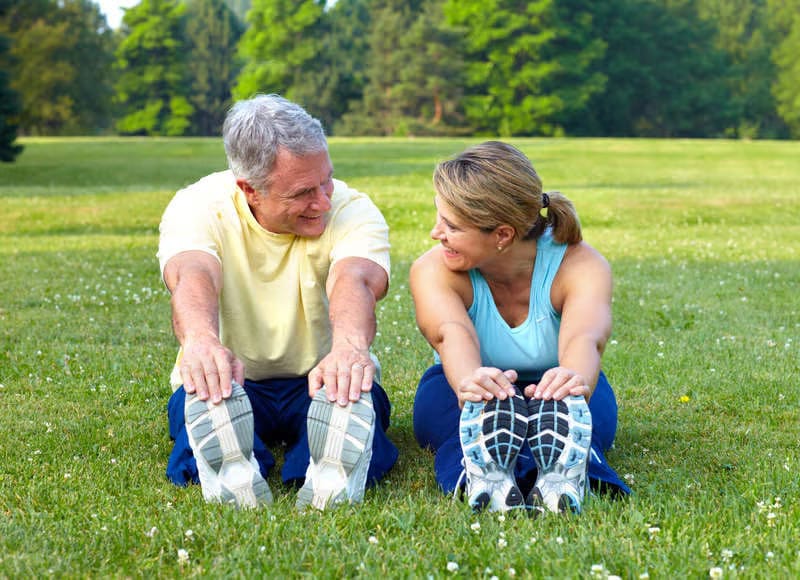
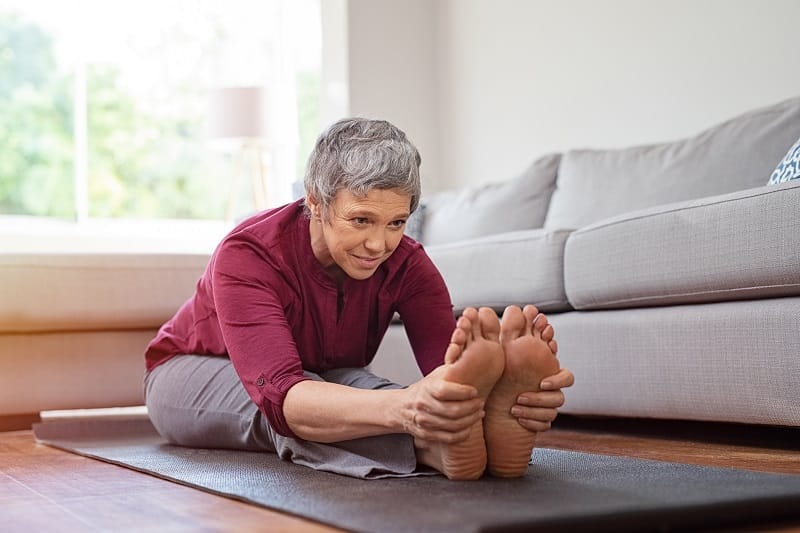
Incorporate flexibility exercises into your routine by practicing yoga, Pilates, or simple stretching routines. Focus on all major muscle groups, paying special attention to areas prone to tightness like the hamstrings, hips, shoulders, and lower back. Aim to stretch for at least 10 minutes every day.
Long-Term Benefits
Regular flexibility training keeps your muscles supple and joints healthy. It improves mobility, making daily activities easier and more enjoyable. Flexibility exercises also enhance blood flow, aiding in muscle recovery and reducing soreness.
Anti-Aging Exercise Regimen
Monday - Upper Body Resistance Training
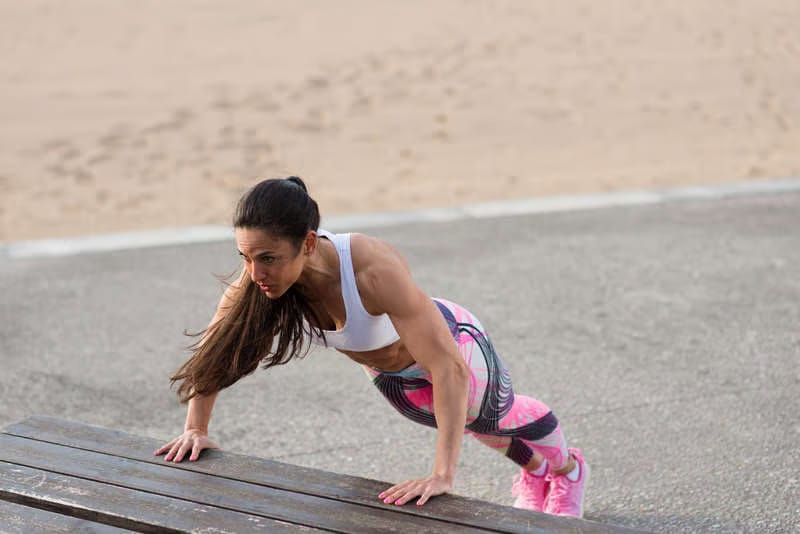
Kick off your week with a focus on upper body strength. Perform exercises like push-ups, pull-ups, shoulder presses, and bicep curls. Aim for three sets of 8-12 reps for each exercise. Remember to warm up beforehand and cool down with stretches afterward.
Tuesday - HIIT Cardio & Flexibility Training
High-Intensity Interval Training (HIIT) combines short bursts of intense activity with brief rest periods. This type of cardio is efficient and effective. Follow your HIIT session with a thorough stretching routine to enhance flexibility and promote muscle relaxation.
Wednesday - Lower Body and Ab Resistance Training
Midweek is perfect for targeting lower body and abdominal muscles. Include exercises like squats, lunges, deadlifts, and planks. These moves build strength and stability. Finish with core-focused exercises to strengthen your midsection.
Thursday - HIIT Cardio and Flexibility Exercises
Repeat your HIIT workout, focusing on different cardio exercises to keep things interesting. Incorporate flexibility exercises between intervals to maintain a balanced routine. Stretching during your HIIT session can also help prevent injuries.
Friday - Upper Body Resistance Training
End your workweek with another upper-body workout. Use different exercises or variations to keep challenging your muscles. Consistency is key to building strength and seeing long-term results. Don’t forget to stretch after your workout to aid muscle recovery.
Conclusion
Incorporating a well-rounded exercise regimen into your life is the closest thing to discovering the fountain of youth. By focusing on cardiovascular exercise, resistance training, and flexibility, you can enhance your health, boost your energy, and maintain a youthful appearance. Remember, age is just a number, and with the right approach, you can feel young and vibrant at any stage of life.
Ready to take the next step? Start implementing this anti-aging exercise regimen today and experience the benefits for yourself. For personalized guidance tailored to your fitness goals, consider booking a session with a certified trainer or fitness expert. Your future self will thank you!

See other posts like this one: