
Saturday, June 01, 2024
Does Snacking Increase Your Metabolism? See the Science
Curious if snacking really does boost your metabolism. We delve into the scientific research and provide evidence-backed answers in this informative article.
There are many reasons to snack throughout the day. It can help prevent you from becoming overly hungry, only to overeat at your next meal. It can help boost energy if you’re feeling a slump. And some people believe it helps increase your metabolism through the thermic effect of food. Every time you eat, it takes energy to digest and absorb the foods you eat, which can cause a temporary boost in your metabolic rate.
But is there scientific evidence to back up this claim? Let’s explore the science behind snacking and its effects on metabolism.
The Thermic Effect of Food (TEF)
The thermic effect of food (TEF) refers to the amount of energy expenditure above the basal metabolic rate due to the cost of processing food for use and storage. TEF varies depending on the macronutrient composition of the food, with protein having the highest TEF, followed by carbohydrates, and then fats.
When you eat, your body uses energy to digest, absorb, and metabolize the nutrients from the food. This process results in a temporary increase in metabolic rate, usually peaking about an hour after eating and lasting for several hours. The increase in energy expenditure due to TEF is relatively small, accounting for about 10% of total daily energy expenditure.
Does Snacking Boost Metabolism?
The idea that frequent snacking can significantly boost metabolism hinges on the concept of TEF. Some people believe that by eating small, frequent meals or snacks throughout the day, you can keep your metabolism elevated. However, science suggests that the total energy expenditure due to TEF over a day is more or less the same whether you eat two large meals or six small ones.
A study published in the British Journal of Nutrition found no significant difference in 24-hour energy expenditure between individuals who ate frequent small meals and those who ate fewer, larger meals. The total TEF remains consistent because it is primarily influenced by the total caloric intake and macronutrient composition rather than meal frequency.
To Snack or Not to Snack?
While snacking may not provide a significant boost to your metabolism, it can offer other benefits. Here are some reasons why you might consider incorporating snacks into your daily routine:

- Prevents Overeating: Snacking can help keep hunger at bay, preventing you from becoming overly hungry and overeating at your next meal.
- Boosts Energy: A well-timed snack can provide a quick energy boost, especially if you choose nutrient-dense options like fruits, nuts, or yogurt.
- Maintains Blood Sugar Levels: Regular snacks can help maintain stable blood sugar levels, which is particularly beneficial for individuals with diabetes or insulin resistance.
- Improves Nutrient Intake: Snacking can be an opportunity to include additional nutrients in your diet, especially if you choose healthy options like vegetables, fruits, and whole grains.
How to Snack More Healthfully
If you decide that snacking fits into your lifestyle, here are some tips to ensure your snacks are contributing positively to your overall health:
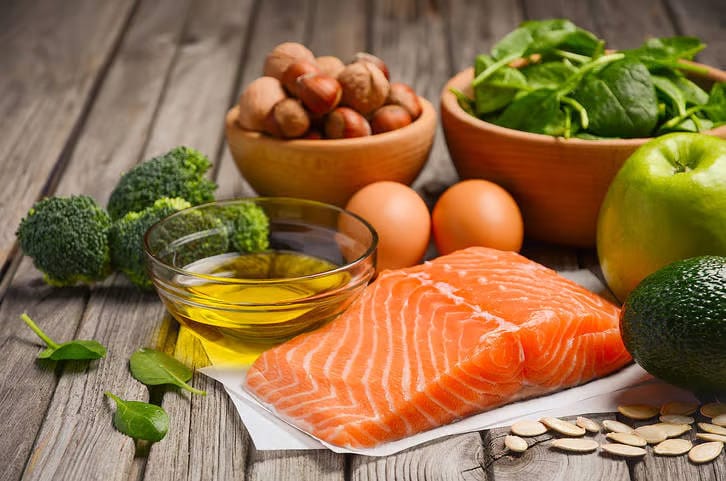
- Choose Nutrient-Dense Foods: Opt for snacks that are rich in essential nutrients, such as fruits, vegetables, nuts, seeds, and whole grains. These foods provide not only energy but also vitamins, minerals, and fiber.
- Mind Portion Sizes: Keep your snack portions reasonable to avoid excess calorie intake. A handful of nuts or a piece of fruit is usually sufficient.
- Balance Macronutrients: Aim for a balance of protein, healthy fats, and carbohydrates to keep you satisfied and energized. For instance, pair an apple with a handful of almonds or whole-grain crackers with hummus.
- Avoid Processed Foods: Minimize snacks that are high in added sugars, unhealthy fats, and artificial ingredients. Instead of reaching for chips or candy, consider preparing your own snacks at home.
- Listen to Your Body: Pay attention to your hunger and fullness cues. Snack when you’re genuinely hungry and not just out of habit or boredom.
Conclusion
While snacking might not dramatically increase your metabolism, it can play a valuable role in maintaining your overall health and well-being. By choosing nutrient-dense snacks and being mindful of portion sizes, you can enjoy the benefits of snacking without compromising your dietary goals.
Understanding the science behind concepts like the thermic effect of food empowers you to make informed decisions about your eating habits. Whether you prefer snacking or sticking to traditional meals, the key is to focus on a balanced, nutrient-rich diet that supports your health and wellness.
For more insights into how you can optimize your diet and lifestyle, be sure to follow us and subscribe to our newsletter. If you have any questions or want to share your snacking tips, leave a comment below!

See other posts like this one:


Saturday, June 15, 2024
How to Improve Energy Levels: 10+ Simple Tips for Improve Energy Levels






Friday, June 14, 2024
12 Natural Tips to Improve Your Memory at Any Age12 Natural Tips to Improve Your Memory at Any Age