Sunday, June 23, 2024
Drop It Low! Master the Art of Getting Lower in Your Squat
: Improve your squat form and technique by mastering how to get lower in your squats. Learn tips and exercises to help you drop it low and reach new levels with your workouts.
Squats are the holy grail of lower body exercises, but getting deep into that squat can be a challenge. Whether you're aiming to build a stronger booty, enhance your athletic performance, or simply improve your overall fitness, mastering squat depth is essential. In this blog post, we'll explore the benefits of squatting, discuss common form issues, identify reasons why you might be struggling to get lower and provide practical tips to help you achieve that deep squat you've been striving for.
The Benefits of Squatting
Squatting isn't just about building a better booty; it's a powerhouse of exercise with numerous benefits for your entire body.
Full-Body Workout
Squats engage multiple muscle groups, including your quadriceps, hamstrings, glutes, lower back, and core. This makes them an efficient way to work out your entire body in one move. By incorporating squats into your routine, you can improve muscle tone, strength, and endurance across these areas.
Improved Mobility and Flexibility
Regular squatting can enhance your hip, knee, and ankle mobility. This increased range of motion not only helps in performing other exercises more effectively but also supports everyday movements like bending and lifting. Improved flexibility can reduce the risk of injuries and make daily tasks easier.
Enhanced Athletic Performance
For athletes, squats are a crucial exercise for boosting performance. They help in developing explosive power and speed, which are essential for sports that require quick movements and sudden changes in direction. By strengthening your lower body, squats can improve your sprinting, jumping, and overall agility.
Form, Form, Form
When it comes to squatting, form is everything. Poor form can lead to injuries and diminish the effectiveness of the exercise.
Proper Squat Stance
The foundation of a good squat lies in your stance. Your feet should be shoulder-width apart, with toes slightly turned out. Maintain a neutral spine, keeping your chest up and shoulders back. Your weight should be evenly distributed across your feet, with a slight emphasis on your heels.
Knee and Hip Alignment
One common mistake is allowing the knees to cave inward or outward during the squat. Your knees should track over your toes throughout the movement. Additionally, initiate the squat by pushing your hips back as if you're sitting into a chair. This ensures that the movement is driven by your hips and not your knees.
Depth and Control
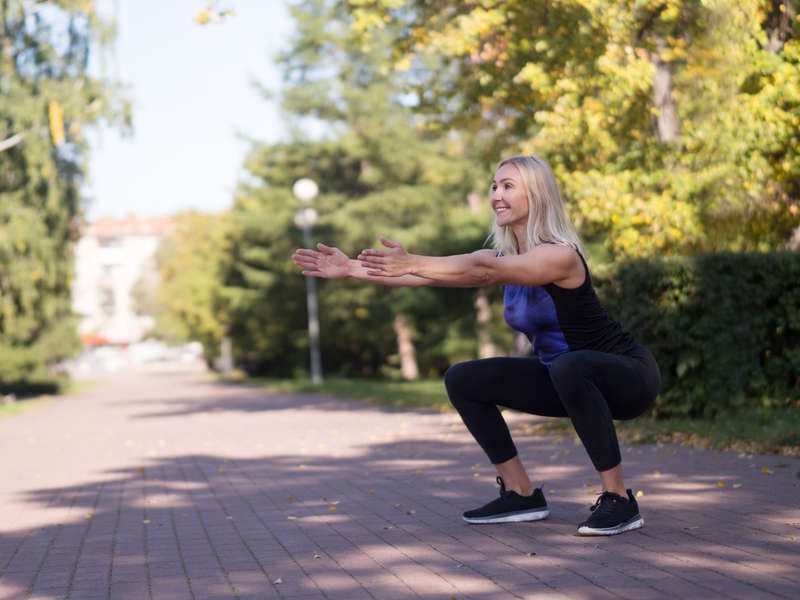
Lower yourself until your thighs are at least parallel to the ground. If possible, aim to go deeper to fully engage the glutes and hamstrings. Control is key—descend slowly and rise without bouncing at the bottom. This controlled movement helps in maintaining balance and protecting your joints.
Why Can't You Get Lower in Your Squat?
Struggling to achieve that deep squat? Several factors might be holding you back.
Limited Ankle Mobility
Tight ankles can restrict your ability to squat deeply. If your ankles lack the necessary range of motion, it can cause you to lean forward excessively or prevent you from lowering your hips adequately.
Tight Hip Flexors
Hip flexor tightness is another common culprit. When your hip flexors are tight, they limit the depth of your squat by restricting the rotation and movement of your pelvis. This can prevent you from achieving a full range of motion.
Weak Glutes and Hamstrings
Weakness in the glutes and hamstrings can make it difficult to maintain proper form and achieve depth. These muscles play a vital role in stabilizing your hips and knees during the squat, and if they're underdeveloped, you may find it challenging to squat deeply.

How to Get Lower in Your Squat
Ready to improve your squat depth? Here are some actionable tips to help you drop it low.
Ankle Mobility Exercises
Improving your ankle mobility is crucial for achieving a deep squat. Incorporate exercises like calf stretches, ankle circles, and dorsiflexion drills into your routine. These exercises can help increase your ankle's range of motion and support better squat form.
Hip Flexor Stretches
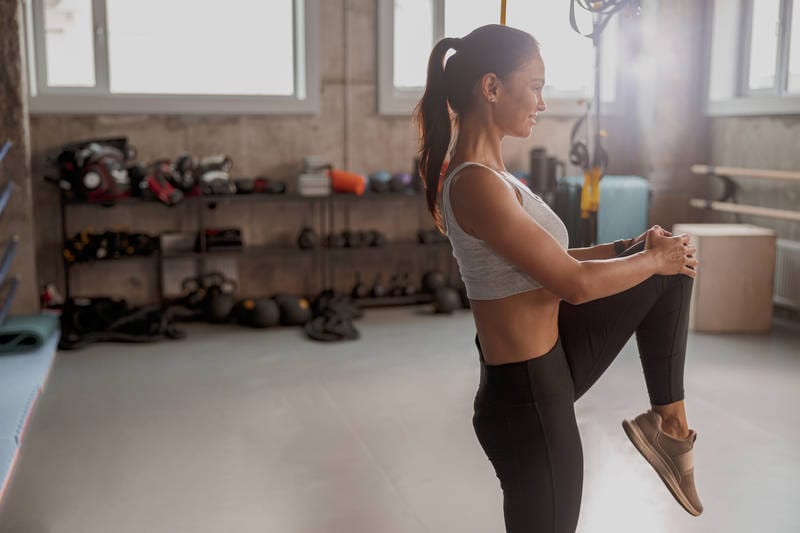
Stretching your hip flexors can significantly improve your squat depth. Try including dynamic stretches like leg swings and static stretches like the pigeon pose in your warm-up routine. These stretches help loosen up the hip flexors and allow for greater movement.
Strengthening Glutes and Hamstrings
Strengthening your glutes and hamstrings can enhance your squat performance. Exercises like glute bridges, hamstring curls, and deadlifts target these muscle groups and can help build the strength needed to maintain proper form and deepen your squat.
Use a Heel Lift
If you're still struggling with ankle mobility, try using a small heel lift. Placing a weight plate or a wedge under your heels can help you achieve better squat depth by compensating for limited ankle flexibility. This adjustment can make it easier to maintain balance and proper form.
Practice Goblet Squats
Goblet squats are a great way to practice deeper squatting. Holding a kettlebell or dumbbell close to your chest, perform a squat while focusing on maintaining an upright torso and pushing your hips back. Goblet squats can help improve your squat mechanics and build confidence in achieving depth.
Foam Rolling and Stretching
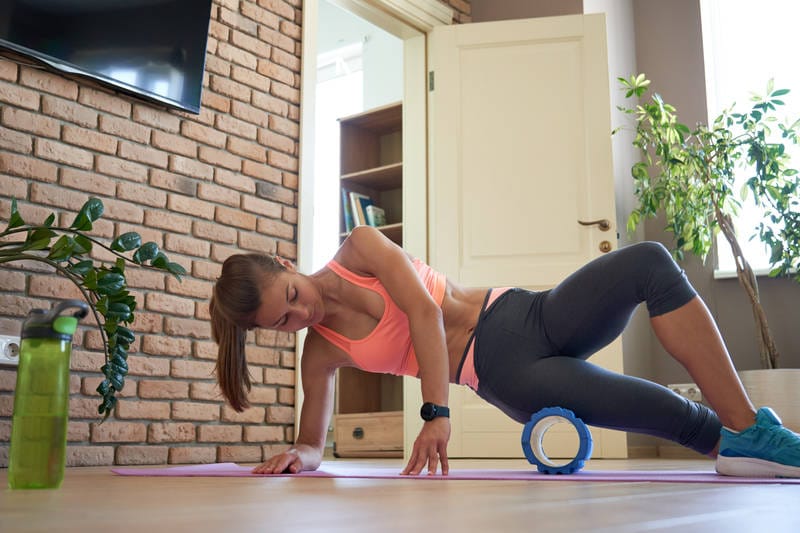
Incorporate foam rolling and stretching into your regular routine to release tight muscles and improve flexibility. Focus on areas like the calves, quads, hamstrings, and hip flexors. Regularly addressing muscle tightness can contribute to better squat performance.
Conclusion
Achieving a deep squat is a goal worth pursuing for any fitness enthusiast or weightlifter. By understanding the benefits of squatting, focusing on proper form, and addressing any mobility and strength limitations, you can master the art of getting lower in your squat. Remember, consistency is key, and with dedication and the right techniques, you'll be hitting those deep squats in no time.
Ready to take your squat game to the next level? Try incorporating these tips into your routine and feel the difference. If you're looking for personalized guidance, consider booking a session with a fitness coach who can provide tailored advice and support. Happy squatting!

See other posts like this one:


Wednesday, November 13, 2024
The Amazing Benefits of Green Spaces: Boosting Health by Enjoying the Outdoors


Wednesday, November 13, 2024
Is Your Testosterone Too Low? 13 Subtle Signs You Might Be Missing
Wednesday, November 13, 2024
Sore Muscles? Try These Surprising Recovery Hacks for National Recovery Month