Thursday, November 14, 2024
Dry Needling: A Modern Solution for Muscle Recovery
Discover the benefits of dry needling, a modern therapy for muscle recovery. Learn how it relieves pain, improves mobility, and speeds recovery by targeting muscle trigger points directly.
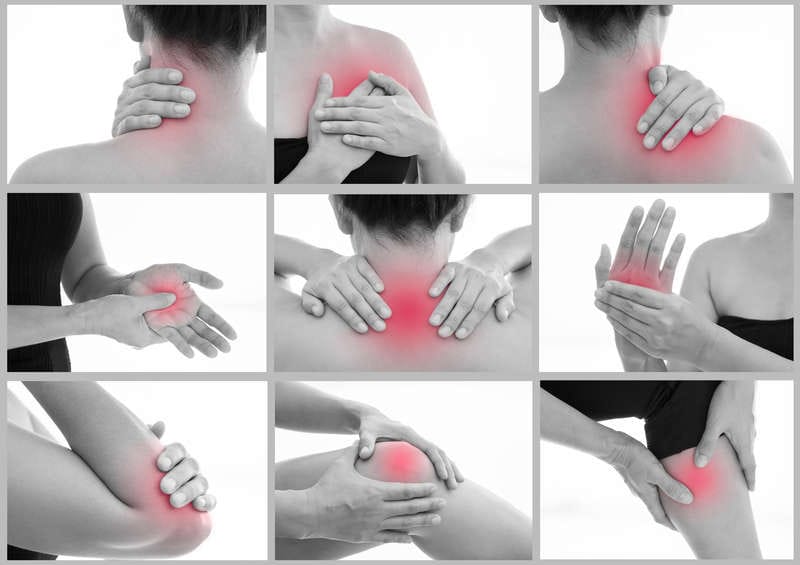
Whether you’re a fitness beginner or have been active for years, muscle pain is something we all face. It could be from an intense workout or simply from a long, stressful week. When muscles ache, it’s natural to look for relief. You might try stretching, foam rolling, massages, or other techniques to ease discomfort. But now, a newer therapy called dry needling is gaining popularity as a way to reduce post-workout soreness and muscle tension. Let’s explore what dry needling is, how it works, and why it might be the remedy you’re looking for.
What Is Dry Needling?
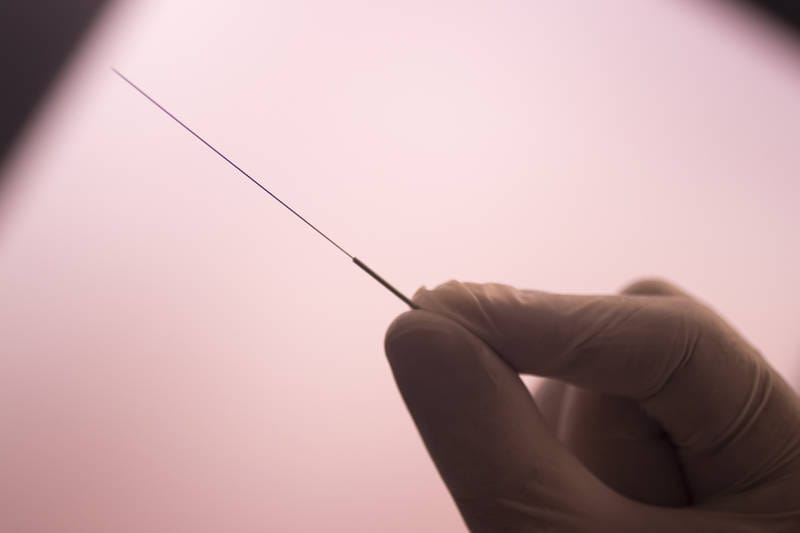
Dry needling is a therapeutic technique that started gaining attention after a study in 1979. Unlike traditional injections that deliver medication, dry needling uses very thin needles inserted directly into muscle trigger points—tight areas within muscles that can cause pain and discomfort. The purpose of dry needling is to relieve muscle tension, improve blood flow, and allow muscles to fully relax.
While dry needling and acupuncture both use needles, they are quite different. Acupuncture, an ancient Chinese practice, focuses on restoring energy balance (Qi) in the body. Dry needling, however, is based on Western medicine and targets specific muscle knots or trigger points directly to relieve pain and improve muscle function.
How Does Dry Needling Work?
When a trigger point is stimulated with a needle, it often creates a twitch response or a small, involuntary contraction of the muscle. This reaction helps break the cycle between muscle tightness and pain, which can lead to improved muscle function and flexibility.
Though researchers are still exploring exactly how it works, dry needling appears to encourage healing by reducing inflammation, increasing blood flow, and releasing pain-relieving chemicals in the body.
Dry needling may be beneficial for:
- Faster Recovery: Athletes and fitness enthusiasts often find that dry needling helps reduce soreness and speeds up recovery after a workout.
- Muscle Relaxation: When muscles are relaxed, it becomes easier to engage in physical activity.
- Mobility: Releasing muscle tension can improve flexibility and range of motion.
- Pain Relief: Targeting trigger points can help reduce both short-term and long-term muscle pain.
Dry needling has proven effective for managing pain and improving muscle function, especially when combined with other methods like exercise, stretching, or massage. It’s commonly used for conditions such as back pain, shoulder pain, tension headaches, sciatica, knee pain, and more.

Where to Find Dry Needling Services
If you’re interested in trying dry needling, it’s typically performed by licensed professionals like physical therapists, chiropractors, and athletic trainers. They receive specialized training to safely administer this therapy, often alongside other treatments for pain and muscle recovery.
It’s important to note that dry needling is different from acupuncture. If you’re interested in dry needling specifically, look for a practitioner certified and licensed in this technique.
What to Expect During a Dry Needling Session
Before your session, it’s a good idea to stay hydrated and eat a light meal, as well as wear loose, comfortable clothing to help the practitioner access affected areas.
During the session, you’ll likely lie down in a relaxed position. The practitioner will identify trigger points and insert thin needles into the muscles. They may adjust the needles slightly to stimulate the desired response. A typical session lasts between 20 and 40 minutes, and multiple sessions are often recommended for the best results.
Does It Hurt?
While the idea of needles might sound intimidating, most people report little discomfort. You might feel a small prick as the needle enters the skin, followed by a twitching sensation. Afterward, it’s normal to experience some mild soreness, similar to how muscles feel after a workout. For many, pain relief is immediate, while others may notice results after a few sessions.
Is Dry Needling Safe?
Dry needling is generally safe for most people, though it isn’t recommended for certain groups, such as pregnant women, individuals with bleeding disorders, or those with infected areas or skin lesions. Mild side effects may include temporary soreness or mild bruising, and some people may feel tired after a session.
If you’re looking for a modern approach to muscle recovery, dry needling could be worth exploring. This technique may offer lasting pain relief and improved muscle function as part of a comprehensive wellness routine.

See other posts like this one:
Monday, June 24, 2024
Loosen Up! 7 Essential Hip Flexor Stretches and Exercises for Fitness Enthusiasts



Monday, June 24, 2024
Dance Your Way to Fitness The Ultimate Guide to Hip-Hop Cardio Workouts
Sunday, June 23, 2024
Unleashing Your Hidden Power Understanding Relative Strength in Fitness
Sunday, June 23, 2024
Elevate Your Strength - When You Should Increase Your Weights in the Gym