Saturday, October 26, 2024
Mental Health Psilocybin's Promise for Effective Depression Treatment
Think there's no hope for those who suffer from treatment-resistant depression? This article explores the latest research on psilocybin as a potential game-changing therapy.
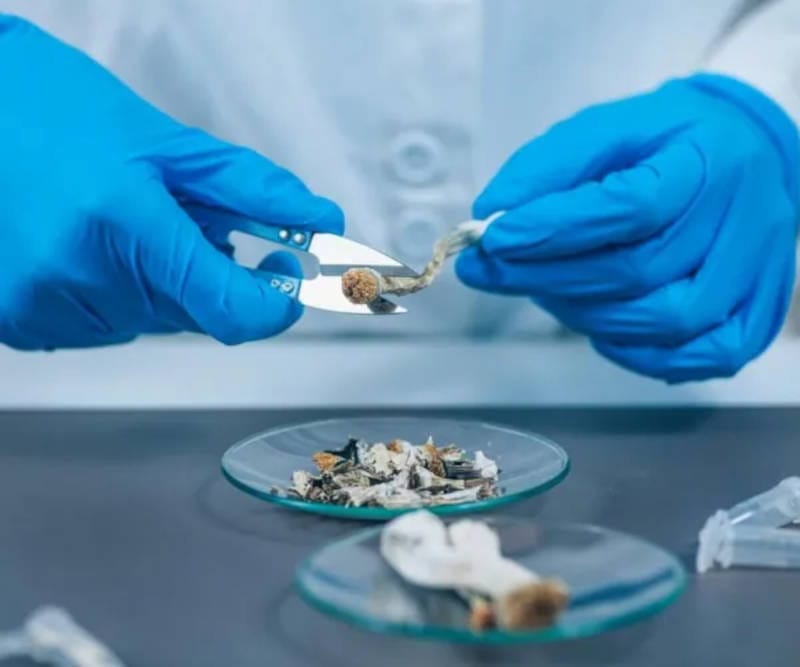
In recent years, the conversation surrounding mental health has expanded to include innovative treatments beyond traditional pharmaceuticals. One such potential game-changer is psilocybin, the active compound in magic mushrooms. A clinical trial has suggested that psilocybin may ease depression symptoms as effectively as commonly prescribed SSRI antidepressants, like escitalopram (Lexapro). This finding, published in the journal Lancet eClinicalMedicine and discussed at the European College of Neuropsychopharmacology’s annual meeting, opens new doors for individuals seeking alternative depression treatments.
The Rise of Psilocybin in Mental Health
Psilocybin has long intrigued researchers for its potential psychological benefits. Historically associated with recreational use, its medicinal properties are now under rigorous scientific scrutiny. Psilocybin therapy involves administering a controlled dose of the compound to patients, often in a therapeutic setting. Its effects on mood, perception, and thought processes are distinct from those of traditional antidepressants, which typically alter neurotransmitter levels to alleviate symptoms.
The trial referenced here compared the effects of a single psilocybin session with a six-week course of escitalopram, a standard SSRI antidepressant. The results were promising, showing significant improvements in depression symptoms in both groups. However, patients who received psilocybin reported additional benefits, such as increased life satisfaction and deeper psychological connections with others.
Comparing Psilocybin and SSRIs
SSRIs, including Prozac, Paxil, and Zoloft, have been mainstays in treating depression for decades. These medications function by increasing serotonin levels in the brain, which can boost mood and alleviate depressive symptoms. Despite their effectiveness for many, SSRIs are not a panacea; about a third of patients experience little to no benefit. Furthermore, SSRIs can have side effects such as weight gain, sleep disturbances, and diminished libido.
In contrast, psilocybin's approach is unique. It appears to increase neuroplasticity, potentially allowing for the restructuring of neural pathways associated with mood regulation. Patients in the psilocybin group not only experienced similar improvements in mood compared to those on SSRIs but also reported enhancements in their overall well-being and sense of purpose, which were maintained over a six-month follow-up period.
The Clinical Trial Unveiled
The trial involved 59 patients with severe depression, divided into two groups. One group received a single dose of psilocybin during a supervised session, while the other followed a six-week escitalopram regimen. The outcomes were closely monitored, focusing on changes in depressive symptoms and broader life satisfaction.
Both groups exhibited substantial improvements in depression measures after the treatment period. The psilocybin group, however, stood out with its additional gains in psychological well-being. These findings suggest that psilocybin might offer a holistic approach to depression, addressing not just the symptoms but also enhancing the quality of life.

The Holistic Benefits of Psilocybin
Psilocybin's ability to foster a greater sense of connection and meaning is noteworthy. Many individuals struggling with depression report feelings of isolation and purposelessness. By potentially restoring these aspects of life, psilocybin could significantly impact long-term mental health and happiness.
Lead researcher Tommaso Barba emphasized this point, noting that the study highlights how psilocybin therapy could improve work and social functioning alongside traditional depression treatments. This integrated approach could redefine mental health care, moving beyond symptom management toward comprehensive well-being.
Caution and Considerations
Despite its promise, psilocybin remains an experimental treatment. Dr. David Erritzoe, a senior researcher in the study, cautioned against self-medication with magic mushrooms, which lack the controlled environment and professional oversight necessary for therapeutic use. The potential for unpredictable effects, particularly in individuals with mental health vulnerabilities, remains a concern.
Experts like Johan Lundberg also urge caution, stressing that while psilocybin could be approved for depression treatment in the future, it may not suit everyone. The psychedelic experiences induced by psilocybin can be intense, involving altered perceptions and deep emotional processing, which could be daunting for some patients.
The Future of Psilocybin in Mental Health
The burgeoning interest in psilocybin reflects a broader shift towards personalized medicine in mental health. As research progresses, the hope is that psilocybin will become a viable option for those seeking alternatives to traditional antidepressants. Its potential to address both depression and overall life satisfaction offers a promising avenue for treatment.
However, further studies are necessary to understand the long-term effects and safety of psilocybin therapy. Regulatory approval would involve establishing standardized dosing protocols and ensuring safe therapeutic environments.
Incorporating Psilocybin into Broader Treatment Plans
For health enthusiasts, mental health advocates, and psychology professionals, the possibility of integrating psilocybin into treatment plans is exciting. By complementing existing therapies with psilocybin's unique benefits, practitioners could offer more nuanced and effective care.
It's crucial to remain informed and cautious as this field develops, advocating for responsible research and application of psilocybin in clinical settings. Encouraging open dialogue about its potential and limitations will be key to its successful integration into mental health care.
Conclusion Exploring New Horizons in Depression Treatment
The exploration of psilocybin as an effective treatment for depression highlights the evolving landscape of mental health care. While traditional antidepressants like SSRIs continue to play a vital role, psilocybin offers a complementary approach that could enhance well-being and life satisfaction.
For those interested in the latest developments in mental health treatment, staying informed about psilocybin's progress is essential. Continuing research and dialogue about its potential applications will pave the way for a more holistic and effective approach to mental health care.
Readers eager to learn more about psilocybin and its applications can explore further resources and expert insights. Engaging with this emerging field offers an opportunity to contribute to the future of mental health treatment, advocating for innovative solutions that prioritize both symptom relief and overall well-being.

See other posts like this one:



Friday, November 15, 2024
Understanding the Difference Between Tight and Stiff Muscles (and How to Loosen Them)






Friday, November 15, 2024
Too Busy to Exercise? Here’s a 15-Minute Full-Body Workout You Can Do Anywhere

Friday, November 15, 2024
Slugging, Slicking, or Slathering: What’s the Best Way to Hydrate Your Skin?