Sunday, June 30, 2024
Elevate Your Leg Day Routine with These 6 Squat Variations
Ready to take your leg day to the next level? Try these six squat variations for a killer lower body workout that will leave you feeling strong and toned.
Are you ready to take your leg day to the next level? Incorporating different squat variations is the key to developing well-rounded leg strength, improving muscle balance, and avoiding workout monotony. Squats are one of the most versatile and effective exercises you can do, working multiple muscle groups and providing numerous fitness benefits. In this blog post, we’ll explore the six best squat variations that every fitness enthusiast should incorporate into their routine.
What is a Squat?
Before we dive into the different variations, it's important to understand what a squat is. A squat is a fundamental exercise that involves lowering your hips from a standing position and then standing back up. This movement targets your lower body muscles, including the quadriceps, hamstrings, glutes, and calves. Squats also engage your core and lower back muscles, making it a full-body exercise with many benefits.
Squats are often referred to as the king of leg exercises because of their ability to build strength, power, and endurance. They mimic everyday movements like sitting down and standing up, making them functional exercises that improve your overall mobility and stability.
By incorporating various squat variations into your workout routine, you can target different muscle groups, prevent plateaus, and keep your workouts exciting and challenging. Let's explore how different squat variations can benefit you and which ones you should try.
Muscles and Squat Variations
Squats primarily target the quadriceps, but they also work several other lower body muscles. Different squat variations emphasize different muscle groups, allowing you to create a more balanced and comprehensive leg workout.
The quadriceps are the main muscles worked during squats, located at the front of your thighs. They are responsible for extending your knee joint and play a crucial role in activities like running, jumping, and climbing stairs.
The hamstrings, located at the back of your thighs, are also engaged during squats. They help with knee flexion and hip extension, providing stability and power to your lower body movements.
Your glutes, or buttocks muscles, are heavily involved in squats as well. They contribute to hip extension, which is essential for standing up from a squatting position. Strong glutes can improve your athletic performance and reduce the risk of lower back pain.
Additionally, squats engage your calves, lower back, and core muscles. These muscles work together to stabilize your body and maintain proper form throughout the exercise. By incorporating different squat variations, you can target these muscles from various angles and achieve a more balanced workout.
The 6 Best Squat Variations

1. The Bodyweight Squat
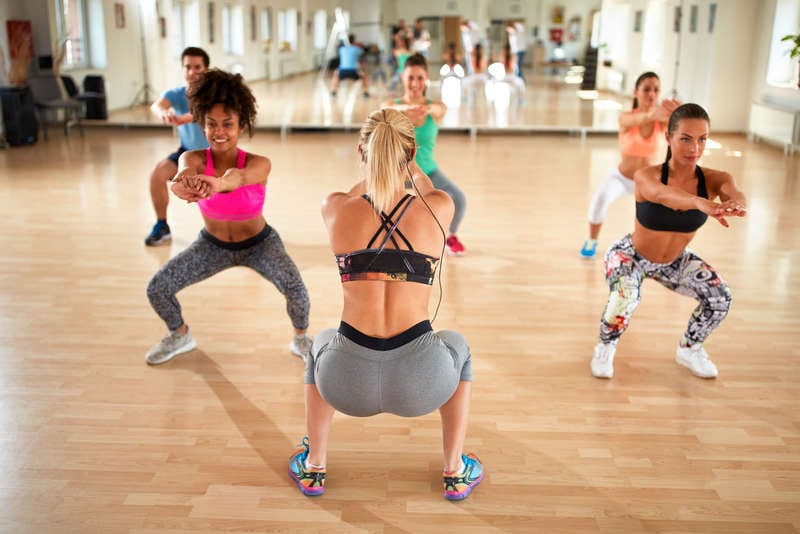
The bodyweight squat is a simple yet effective squat variation that requires no equipment. It's an excellent starting point for beginners and a great warm-up exercise for more advanced lifters. To perform a bodyweight squat, stand with your feet shoulder-width apart, lower your hips back and down as if sitting in a chair, and then return to the starting position. Keep your chest up, back straight, and knees aligned with your toes.
Bodyweight squats help build a solid foundation of strength and endurance. They improve your balance, coordination, and flexibility. Adding bodyweight squats to your routine can enhance your overall workout performance and prepare you for more challenging squat variations.
2. Barbell Squats
Barbell squats are a classic strength-building exercise that involves using a barbell loaded with weights. This variation adds resistance to the squat movement, increasing the intensity and effectiveness of the exercise. To perform a barbell squat, position the barbell on your upper back, stand with your feet shoulder-width apart, lower your hips back and down, and then press through your heels to stand back up.
Barbell squats target the major muscles in your legs and help increase muscle mass, strength, and power. They also engage your core and lower back muscles, promoting overall stability and balance. Barbell squats are ideal for intermediate to advanced lifters looking to take their leg training to the next level.
3. Goblet Squats
Goblet squats are performed with a single dumbbell or kettlebell held close to your chest. This squat variation is excellent for improving your squat form and targeting your quads, glutes, and core. To perform a goblet squat, hold the weight at chest level with both hands, stand with your feet shoulder-width apart, lower your hips back and down, and then stand back up.
Goblet squats are particularly beneficial for beginners as they encourage proper squat mechanics and help build confidence with weighted squats. They also provide a great cardiovascular workout, making them a valuable addition to any fitness routine.
4. Bulgarian Split Squats
Bulgarian split squats are a unilateral leg exercise that targets your quads, glutes, and hamstrings. This variation helps improve your balance, stability, and muscle symmetry. To perform a Bulgarian split squat, stand a few feet in front of a bench, place one foot on the bench behind you, lower your back knee toward the floor, and then return to the starting position.
Bulgarian split squats are great for addressing muscle imbalances and enhancing your overall lower body strength. They also challenge your core and improve your coordination. Including Bulgarian split squats in your routine can lead to better athletic performance and injury prevention.
5. Box Squats
Box squats involve squatting down onto a box or bench, briefly sitting, and then standing back up. This variation emphasizes proper squat form, hip mobility, and explosive power. To perform a box squat, position a box or bench behind you, stand with your feet shoulder-width apart, lower your hips back and down until you sit on the box, and then stand back up.
Box squats help improve your squat depth and technique, making them beneficial for both beginners and advanced lifters. They also reduce stress on your knees and lower back, making them a safer option for those with joint issues.
6. Front Squats
Front squats involve holding a barbell across the front of your shoulders, which shifts the emphasis to your quads and core. This variation requires more upper body strength and mobility compared to traditional back squats. To perform a front squat, position the barbell on your front shoulders, stand with your feet shoulder-width apart, lower your hips back and down, and then stand back up.
Front squats are excellent for building quad strength, improving posture, and enhancing overall squat performance. They also engage your core muscles more intensely, promoting better stability and balance. Adding front squats to your routine can help you achieve a well-rounded and comprehensive leg workout.
Conclusion
Incorporating different squat variations into your leg day routine can help you maximize your gains, prevent plateaus, and keep your workouts exciting. Each squat variation targets specific muscle groups and offers unique benefits, allowing you to create a balanced and effective leg workout.
Whether you're a beginner or an experienced lifter, these six squat variations—bodyweight squats, barbell squats, goblet squats, Bulgarian split squats, box squats, and front squats—can help you achieve your fitness goals and take your leg training to the next level.
Remember to always prioritize proper form and technique to prevent injuries and get the most out of your workouts. Start incorporating these squat variations into your routine today and experience the difference they can make.
Ready to elevate your leg day routine? Start incorporating these squat variations and watch your strength and performance soar!

See other posts like this one:

Wednesday, December 03, 2025
17 Amazing Uses for Epsom Salt (Health, Beauty & Home Benefits Explained)

Monday, December 01, 2025
The 9 Worst Breakfast Foods For Blood Sugar: And Why They Are So Bad

Thursday, June 05, 2025
The Complete Guide to Black Seed Oil: Health Benefits, Uses, and Buying Tips What Is Black Seed Oil?

Wednesday, June 04, 2025
The Ultimate Guide to a Menopause Diet: What to Eat (and Avoid) to Ease Your Symptoms

Wednesday, June 04, 2025
Can One Apple a Day Help You Lose Weight? Why Granny Smith Apples Stand Out


Wednesday, June 04, 2025
Sweet Potatoes vs. Yams vs. White Potatoes: What You Really Need to Know


Monday, May 26, 2025
The Many Uses of Hydrogen Peroxide: From Teeth Whitening to First Aid and More