Thursday, November 14, 2024
Managing Menopause: Embracing Change with the Right Foods
Discover tips for managing menopause naturally with lifestyle changes and a nutrient-rich diet. Learn about key foods and habits to support hormone balance, bone health, and overall well-being during this transition.
Menopause is a natural transition in every woman’s life, often bringing a mix of relief and new challenges. While it marks the end of menstrual cycles (which many women welcome), it also introduces physical and emotional changes. Managing these changes can feel overwhelming, but making certain lifestyle and dietary adjustments can help make a big difference.
What Is Menopause?
Menopause is the end of a woman’s reproductive years, confirmed after 12 months without a menstrual cycle. It usually occurs between ages 45 and 55, though it can happen earlier or later. Before menopause, women go through a transition period called perimenopause, which may start as early as the mid-to-late 30s and bring symptoms like irregular periods and increased PMS.
Common symptoms of menopause and perimenopause include:
- Possible heart palpitations and difficulty concentrating
- Weight gain (especially around the abdomen)
- Sleep disruptions
- Vaginal dryness
- Mood changes
- Night sweats
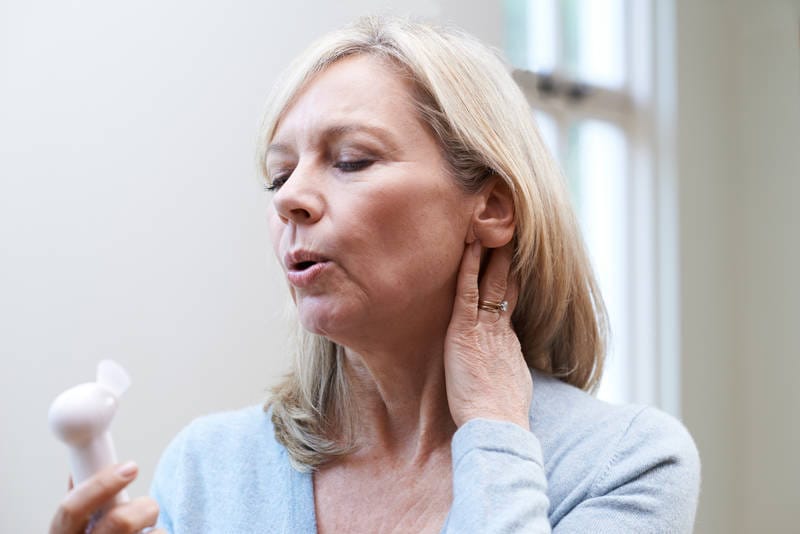
- Hot flashes Irregular periods
Menopause happens because the ovaries produce less estrogen and progesterone, which are essential hormones for the menstrual cycle. As these hormone levels drop, cycles become irregular and eventually stop. Perimenopause can last anywhere from a few months to over a decade, with the menopausal transition itself averaging around four years. Symptoms often decrease in frequency and intensity once a woman reaches the postmenopausal stage.
Managing Menopause with Lifestyle Changes
The symptoms of menopause don’t have to be a waiting game. You can take proactive steps to feel better:
Exercise Regularly
Exercise helps maintain a healthy weight, improves mood, and strengthens bones. Strength training and weight-bearing exercises like walking or jogging are especially beneficial.
Get Quality Sleep
Sleep disruptions are common, so establish a regular sleep routine and create a restful sleep environment. Activities like meditation, gentle stretching, or deep breathing before bed can help promote better sleep.
Reduce Stress
Practices like yoga, meditation, grounding, and deep breathing can help manage mood swings. Pursuing hobbies that bring joy—like art, music, or spending time in nature—can also boost well-being.
Stay Hydrated
Drinking water can help manage symptoms like bloating and dry skin. Keep a water bottle nearby and sip throughout the day.

Foods to Manage Menopause
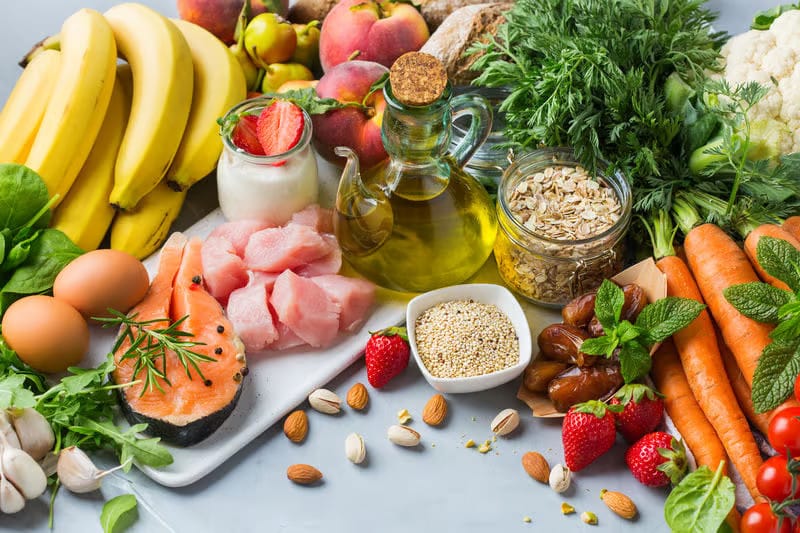
Diet plays a crucial role in managing menopause symptoms. Eating nutrient-rich foods supports hormone balance, bone health, and overall well-being. Here are some key foods to include:
- Rich in antioxidants and vitamins that support health during menopause.
- Berries (e.g., blueberries, strawberries, cherries)
- High in fiber, which aids digestion and can help with weight management.
- Whole Grains (e.g., oats, quinoa, brown rice)
- Provide healthy fats, protein, and fiber, helping to maintain stable blood sugar levels.
- Nuts and Seeds (e.g., walnuts, almonds, chia seeds)
- Packed with omega-3 fatty acids, which support heart health and help reduce inflammation.
- Fatty Fish (e.g., salmon, mackerel, sardines)
- High in calcium and vitamin K, which are essential for bone health. They’re also rich in antioxidants.
- Leafy Greens (e.g., spinach, kale, broccoli)
Some supplements, like calcium, vitamin D, and omega-3s, may help address any nutrition gaps and support overall health.
What About Soy?
Soy products contain phytoestrogens, plant compounds that mimic estrogen. Whole soy foods, like tofu and edamame, may help balance hormones and reduce symptoms like hot flashes. However, some processed soy products (e.g., certain soy milks) may offer fewer benefits due to added sugars and preservatives.
Making mindful changes to your lifestyle and diet can help you embrace this natural stage of life with confidence and well-being.

See other posts like this one:




Wednesday, June 05, 2024
17 Egg Substitutes That'll Transform Your Cooking and Baking Recipes