Sunday, June 16, 2024
Exploring Hip Dips: Understanding, Acceptance, and Transformation
Discover the truth behind hip dips and learn how to embrace your unique body shape with acceptance and transformation. Start loving your curves today!
In the mosaic of body shapes, ours is a universe that thrives on uniqueness, but what happens when the mark of distinction you bear — the 'hip dip' — is something you'd rather not see reflected? Those 'hip dips,' also endearingly called violin hips or 'trochanteric depressions,' are part and parcel of human anatomy. However, dissatisfaction with these indentations has led countless individuals on a quest to find out if they can, and should, be ‘fixed.’
In this extensively researched blog post, we will unravel the mystery behind hip dips for the curious minds in fitness, and women’s health circles, and for anyone who's pondered the shape of their silhouette. We'll explore the science and genetics behind hip dips, the sociocultural implications, and most importantly, answer the burning question that many of us have wondered in our candid moments — can you get rid of hip dips?
What are Hip Dips?
"Hey, have you seen these—what's up with my hips?", "How do I get rid of—these? You know, these..."
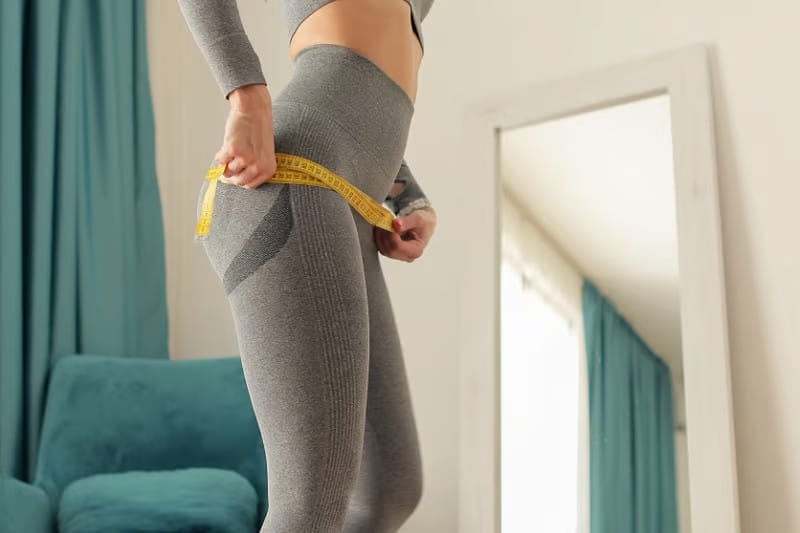
These questions often precede a gesture pointing to the indents below the hipbone, where one's body forms a slight inward curve before flaring outward to the thighs. These inward-facing dimples are what we call hip dips. They are a natural occurrence, created by the shape and alignment of the pelvis, the fat distribution, and the vastus lateralis muscle—a primary muscle group involved in the movement of the leg.
Debunking Hip Dips Myths
Hip dips have been mythologized and stigmatized, with societal beauty standards often dictating that a smooth, outward curve should prevail. Magazines, Instagram, and sometimes even casual conversations can lead one to believe that visible hip dips are an anomaly to be eradicated. However, as we'll soon discover, it's not a deficiency; it’s merely diversity in the human form at play.
Why Some People Have More Noticeable Hip Dips
The presence and prominence of hip dips can be attributed to a confluence of factors. Genetics plays a significant role, as do overall body composition, muscle tone, and the angle of the ilium bone.
Genetic Disposition and Family History
Just as our eye color or height is shaped by our genetic heritage, hip dips too can be inherited. If your family members exhibit the same dips, it is a likely indicator that genes are a contributing factor.
Body Composition and Fat Distribution
Individuals with a higher body fat percentage or those with fat that deposits in a particular way around the hips can experience more noticeable hip dips. Conversely, those with lower body fat may have less perceptible indentations.
Muscle Structure and Tone
The relationship between muscle and fat is crucial. If the pelvis muscles are underdeveloped or there's a lack of muscle volume in the area, hip dips can look more pronounced, as there's less volume between the femur and the pelvis to mask the slight groove.
How to Get Rid of Hip Dips
Armored with knowledge about what they are and what causes them for some, the desire to alter—or reduce—the visual prominence of hip dips persists. But is it feasible? Below, we discuss several approaches to address hip dips, ranging from exercise to surgical interventions.
Exercises Targeting Hip Dips
There is a spotlight on certain exercises to 'fill in' the hip dips, often touted across social media platforms and in fitness routines.
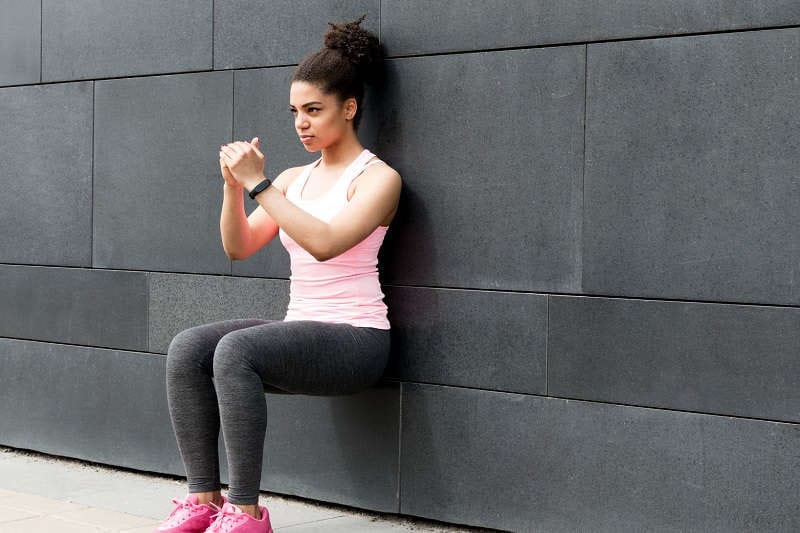
Squats and Lunges
These compound movements work a plethora of lower body muscles, helping them grow in size. Advocates argue that as these muscles develop, they may blend and contour the hips, lessening the perceived depth of the dip.
Side Leg Raises
Focusing on the abduction movement of the leg, side leg raises primarily target the muscles running along the side of your hip, which could contribute to reducing the appearance of hip dips.
Clam Shells
This resistance exercise targets the gluteus medius, the muscle on the upper, outer part of the buttocks, which can support in shaping the hips.
Dietary Tactics and Supplementation
It's a common stance that a healthy diet can influence both one's overall fat distribution and muscle-toning objectives.
Caloric Surplus vs. Maintenance
Some suggest that a caloric surplus diet is conducive to building leg and glute muscles. However, this should be approached with caution and under the guidance of a nutrition professional, as excessive calorie intake may lead to unintended weight gain.
Protein and Amino Acids
Protein is the building block for muscle repair and growth. Ensuring you have an adequate protein intake can support muscles as they are worked and can recover.
Cosmetic Procedures
For those who seek more immediate or dramatic results, cosmetic procedures offer an alternative route to transform the appearance of hip dips.
Fat Transfer
Liposuction can remove fat from an undesired area, which can then be placed into the hip dip to increase volume and reduce the hollow appearance.
Dermal Fillers
Non-surgical procedures such as the injection of hyaluronic acid fillers can temporarily smooth the hip dip area, creating the illusion of a sleeker curve.

Science, personal testimonials, and the wisdom of interaction with medical and fitness professionals offer clarity on the efficacy and safety of pursuing solutions for hip dips.
Scientific Studies
While there is a dearth of direct research on hip dips, studies on exercise physiology and fat distribution lend insight into the plausibility of 'filling in' the dips through targeted training and diet.
Professional Expertise
Fitness trainers, physical therapists, and nutritionists can offer personalized advice on how to address hip dips and achieve body composition goals healthily and sustainably.
Personal Accounts
Listening to those who have undergone the transformative fitness journeys themselves can offer valuable lessons and encouragement for others seeking change.
The Mindset Shift: Beyond Hip Dips
Perhaps the most enduring solution to the 'problem' of hip dips lies not in their removal, but a shift in perspective.
Body Positivity and Acceptance
Adopting a body-positive attitude and deconstructing societal beauty norms can lead to a powerful mindset of acceptance and self-value.
The New Goals
Redirecting focus from 'imperfections' to functional and health-related goals, such as strength, agility, and overall well-being, can redefine one's fitness objectives.
The Role of Fashion and Stylization
Fashion and style choices can accentuate and play down various body features. Learning to dress for your shape can be empowering and uplifting.
Final Thoughts on Hip Dips
Hip dips have become a focal point in the conversation about body acceptance and the commodification of the 'ideal' body. Understanding their nature, causes, and possible methods of altering their appearance can provide clarity to those who seek it. Ultimately, the path you take to address your feelings about hip dips should align with your values, aspirations, and holistic well-being.
For some, exercise may be an empowering and fulfilling way to sculpt their body in a manner they find aesthetically pleasing. For others, acceptance may reign supreme, with the realization that the beauty of individuality surpasses any societal trend. Whatever your stance, the most important takeaway is that the quest for self-improvement should always be rooted in respect for our bodies and minds. After all, isn't the vibrant mural of diverse body shapes and forms something to admire, rather than something to conform away from?
The next time you glance at the silent storyteller that is your physical frame, may you see the indelible mark of your own story, unique and resplendent in its own right. Hip dips and all, it's a tale that only you can tell, and it’s perfect just as it is.

See other posts like this one:

Tuesday, July 02, 2024
Sculpt Your Legs Anywhere with This 7-Step Lower-Body Resistance Band Workout