Friday, November 15, 2024
From Pain Relief to Performance Boost: How Kinesiology Tape Works
Discover how kinesiology tape works to relieve pain, improve athletic performance, and support joints and muscles. Learn the benefits, proper usage, and when to avoid it.
Have you noticed athletes wearing colorful tape on their shoulders, knees, or other joints and wondered what it’s for? Kinesiology tape isn’t just for show—it’s a tool for enhancing performance, providing pain relief, and supporting joint health. Let’s explore how kinesiology tape works and how it can benefit athletes and non-athletes alike.
What Is Kinesiology Tape?
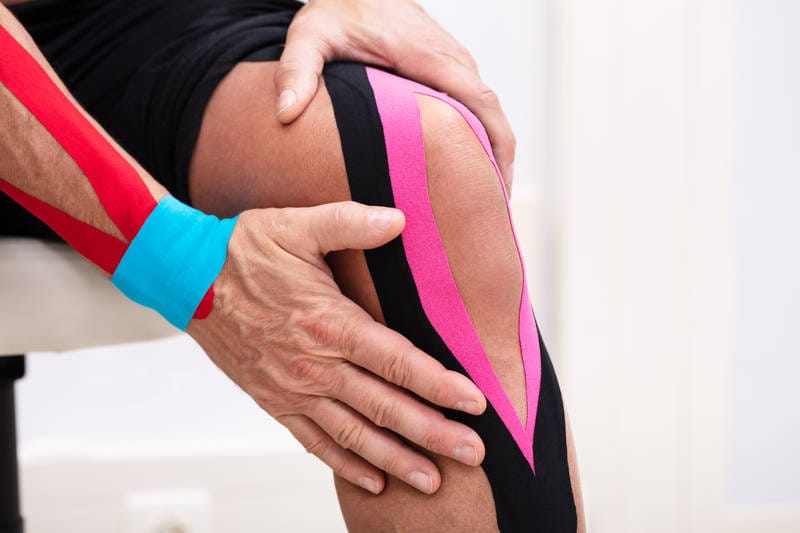
Kinesiology tape is a stretchy, therapeutic tape used to reduce pain, support movement, and assist with injury recovery. You may recognize it as the brightly colored strips often seen on athletes. Developed in the 1970s by Japanese chiropractor Dr. Kenzo Kase, kinesiology tape was created to support muscles, joints, and tendons without restricting movement. Unlike traditional stiff adhesive tape, kinesiology tape moves with the body, promoting flexibility and proper movement patterns.
Placing the tape correctly is essential for it to work effectively. Typically, it’s applied to specific areas where joints or muscles need support, allowing it to act as a “second skin” that stabilizes without limiting range of motion.
The Importance of Social Connections
While the vibrant colors are eye-catching, the true power of kinesiology tape lies in its physical benefits, which extend beyond just athletes. Here are some of its main benefits:
- Fluid Movement: The tape creates space under the skin, improving circulation and lymphatic drainage, which can help reduce swelling and inflammation.
- Natural Pain Relief: By lifting the skin slightly, the tape can relieve pressure on pain points and help activate the body’s natural pain-relieving systems.
- Joint Alignment: Taping can support proper joint alignment, which may relieve discomfort and improve movement.
- Muscle Support: Kinesiology tape provides added stability for muscles, helping reduce strain on tendons and ligaments..

In addition to these, kinesiology tape offers other advantages:
- Improved Joint Tracking: Correctly applied tape can guide joints and ligaments toward better alignment, reducing pain and improving movement patterns over time.
- Swelling Reduction: Properly applied tape aids in moving fluids away from swollen areas.
- Joint Space Creation: Though it doesn’t physically widen joint space, it can help alleviate irritation around joints.
- Toxin Removal: Improved circulation from taping may help flush toxins out of the affected area.
- Inflammation Reduction: It can help reduce inflammation by moving excess fluids away from injured areas.
- Better Blood Flow: The gentle lift from the tape increases circulation, which aids in healing.
- Trigger Point Pain Relief: By lifting the skin around trigger points, it can reduce pain and pressure.
When to Avoid Kinesiology Tape
While kinesiology tape is safe for most people, there are a few cases when it should be avoided. If you have open wounds, sensitive skin, or are allergic to adhesives, it’s best to skip the tape. It’s also not recommended for those with conditions like cancer, diabetes, or blood clots, as the tape’s ability to increase fluid flow could pose risks.
If you’re interested in using kinesiology tape, consult a healthcare professional for guidance. They can help with proper placement based on your specific needs, ensuring the tape works effectively and safely.

See other posts like this one: