Monday, September 09, 2024
From Pain Relief to Performance Boost: How Kinesiology Tape Works
Say goodbye to traditional pain relief methods and discover the natural solution that can enhance your athletic performance. Learn how kinesiology tape works for both pain relief and boosting performance here.
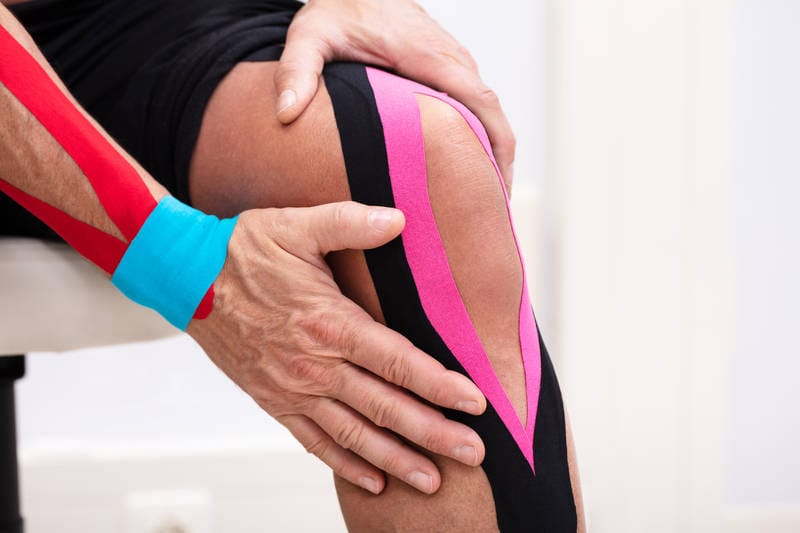
Have you always wondered what that colorful tape is that athletes wear? It’s in a spectrum of colors, strategically placed on shoulders, knees, or other vulnerable joints. But it's not just for show. This intriguing tool is called kinesiology tape, and its magical powers don't stop at being eye-catching. They extend to providing an athletic performance boost, helping align joints, and potentially relieving pain in everyday life. If you're an athlete, physical therapist, or fitness enthusiast, understanding how kinesiology tape works can transform the way you approach physical activity and recovery.
What Is Kinesiology Tape?
Kinesiology tape is an elastic therapeutic tape used to reduce pain and impairment from injury while bolstering athletic functioning. You'll often see these strips of tape, in various colors and patterns, taped on athletes’ bodies to assist them through their movements. Originally called “Kinesio Tex Tape,” it was developed by Japanese chiropractor Dr. Kenzo Kase and first gained popularity in the 1970s. Dr. Kase sought a way to support muscles, joints, and tendons without hampering movement or performance.
Up until this time, traditional non-elastic rehab adhesive tape was the standard. Its inflexibility made it ideal for preventing muscle and joint movement. However, kinesiology tape promotes movement in correct patterns, offering flexibility while supporting injured areas. The application requires a working knowledge of anatomy to properly align the tape with painful areas, usually where ligaments and joints connect. Once in place, the tape acts as a “second skin,” supporting what’s underneath but allowing for plenty of movement.
Benefits of Kinesiology Tape
While the kaleidoscope of colors may look cool on the body, the true magic lies in how kinesiology tape works and its benefits for both athletes and non-athletes. There are four main categories when it comes to how kinesiology tape works:
- Supports muscles
- Helps correct joint problems
- Activates your natural pain relief system
- Shuttles fluids
But the benefits are even more robust than just those four categories. Additional benefits of taping can include:
Relieving Pain at Trigger Points
Placing kinesiology tape so it gently lifts the tissue above trigger points can help minimize pain and pressure on these areas. The tape effectively reduces discomfort by creating space between the skin and underlying tissues.
Through this minor elevation, blood flow improves, aiding in pain relief. This benefit is particularly appreciated by athletes who deal with chronic pain caused by repetitive movements.
Improving Circulation
Kinesiology tape can improve lymph node drainage and increase circulation by creating space between the skin and the injured area, allowing for better blood flow. This enhanced circulation not only supports faster healing but also aids in distributing nutrients to the affected areas.
Better circulation ensures that your muscles receive the oxygen they need, which can enhance performance during physical activities. It's like giving your muscles a breath of fresh air!
Reducing Inflammation
Proper taping can temper inflammation and move excess fluids away from the area. By encouraging fluid movement, kinesiology tape helps reduce swelling and pressure. This makes it an excellent tool for managing injuries that are prone to inflammation.
The reduction in swelling allows athletes to continue their training with minimal disruption. It’s a subtle yet effective way to get back on your feet faster.
Getting Rid of Toxins
The increased circulation and shuttling of excess fluids away from the injured area also help get rid of toxins that may build up around the injury. This detoxifying effect further accelerates the healing process and ensures that your recovery is as smooth as possible.
By aiding in toxin removal, kinesiology tape contributes to overall wellness. It's a holistic approach to maintaining your body's health.

Helping Create Space Between
The tape can also be placed to help gently create space between the joints. While it doesn’t make a large difference in the space between joints, the small improvement may mitigate pain and irritation surprisingly well.
Creating space between joints can alleviate pressure and improve mobility, particularly in areas like the knees and shoulders. This benefit can be crucial in preventing further injury during physical activities.
Supporting Weak Areas
You’ll often see areas like knees, shoulders, IT bands, Achilles tendons, and other weak or injured body parts taped up. Without inhibiting movement, kinesiology tape provides a gentle brace and support to assist functionality. This added support is like having an extra layer of protection for your vulnerable spots.
Supporting weak areas ensures that you can perform your best without fear of exacerbating existing injuries. It gives athletes the confidence to push their limits safely.
Helping Minimize Swelling in the Area
The proper placement of the tape can also help remove fluids from the affected area and reduce swelling. By applying gentle pressure, the tape facilitates fluid movement away from the site, thereby reducing swelling and discomfort.
Minimizing swelling not only speeds up recovery but also allows you to maintain mobility in the affected area. It's an essential aspect of injury management.
Providing Muscle Support
The added support of the tape provides muscles with much-needed reinforcement and can help take some stress off tendons and ligaments, allowing you to move more freely. This support can enhance endurance and prevent fatigue during prolonged physical activities.
By supporting muscles, kinesiology tape helps athletes maintain peak performance levels. It's like having an invisible coach cheering you on!
Correcting Joint Problems
Often, you’ll feel pain when your joints aren’t tracking properly. Taping the right way can help. Your joints, muscles, and ligaments will learn new paths of movement as you use the area and the tape regularly.
Correcting joint problems through taping can lead to long-term improvements in mobility and function. It's a strategic approach to enhancing your body’s mechanics.
When Should You Stay Away from Kinesiology Tape?
If you’re dealing with open wounds or sores, sensitive skin, or an allergy to adhesives, you may want to skip the taping. Kinesiology tape can exacerbate these conditions, leading to discomfort or further irritation.
Additionally, those suffering from cancer, diabetes, or blood clots should avoid using kinesiology tape. The increased flow of fluid could be dangerous for individuals with these health conditions.
While you can go online to find out more about using kinesiology tape on yourself, beware. Just because you know how kinesiology tape works doesn’t mean you should slap some on any old place where you feel pain. Typically, a medical practitioner will help determine the proper placement of the tape, depending on your pain, injuries, and goals with treatment.
Conclusion
Kinesiology tape is a versatile tool with a wide range of applications, from pain relief to performance enhancement. It bridges the gap between traditional rehabilitation methods and modern athletic performance techniques. For athletes, physical therapists, and fitness enthusiasts, understanding the benefits and limitations of kinesiology tape can lead to significant improvements in training and recovery.
While the tape offers many advantages, it's essential to use it correctly and consult with professionals when needed. By doing so, you can fully harness the potential of kinesiology tape in your fitness and rehabilitation routines.
For those eager to explore more about how kinesiology tape can fit into their lifestyle, speaking with a coach or physical therapist can provide personalized insights. Whether you're aiming to boost your performance or recover from an injury, kinesiology tape can be a valuable ally in your fitness arsenal.

See other posts like this one:


Friday, August 30, 2024
Moderation and Mindfulness: The Secret to Drinking Beer Without the Hangover











Friday, July 12, 2024
Delight Your Taste Buds with Red Pepper and Mozzarella Stuffed Chicken Caprese