Saturday, June 22, 2024
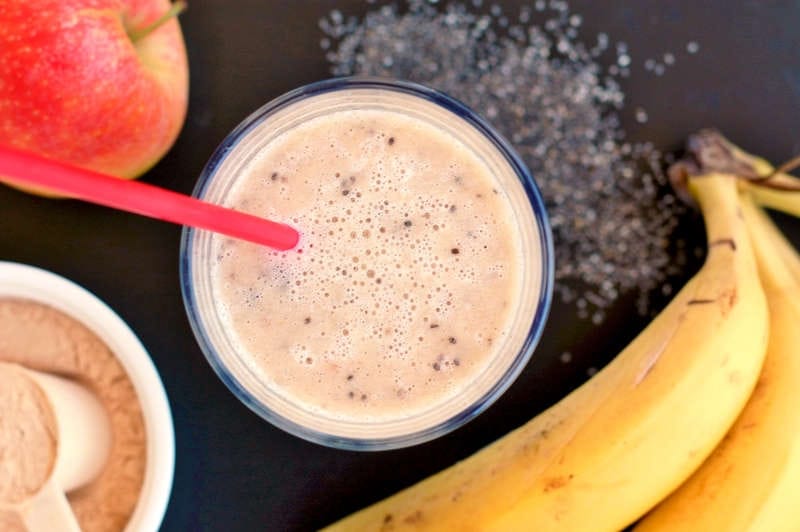
Going Green Get Lean The Truth About Plant-Based Protein Powders
Upgrade your workout routine with plant-based protein powders that are not only good for the environment but also good for your body. Discover the truth about this trendy health food now!
In recent years, the trend toward plant-based diets has skyrocketed. More people than ever are ditching animal products in favor of plant-based alternatives. Among these alternatives, plant-based protein powders have become particularly popular. But with a plethora of options on the market, what are the true benefits and drawbacks of plant-based protein powders? This blog will explore all aspects of plant-based protein powders, offering fitness enthusiasts, vegans, vegetarians, and health-conscious consumers a comprehensive guide to making an informed decision.
Different Types of Plant-Based Protein Powders
Plant-based protein powders come from various sources, each with its unique properties and benefits.
Pea Protein
Pea protein is derived from yellow split peas and is known for being a complete protein. This means it contains all nine essential amino acids that your body can't produce on its own. Additionally, pea protein is hypoallergenic, making it suitable for those with allergies to dairy, soy, or gluten. It’s also rich in iron, which is beneficial for those needing a boost of this essential mineral.
Rice Protein
Rice protein is another popular option, especially for those looking for a hypoallergenic choice. While it is not a complete protein like pea protein, it is often combined with other plant proteins to create a balanced amino acid profile. Rice protein is easily digestible and gentle on the stomach, making it a good option for people with digestive issues.
Hemp Protein
Hemp protein is made from hemp seeds, which are a nutritional powerhouse. Hemp protein is rich in fiber, omega-3 fatty acids, and essential amino acids. It’s also one of the most environmentally friendly options, as hemp plants require fewer resources to grow compared to other crops. However, some people find the taste of hemp protein to be quite earthy and less palatable.
Soy Protein
Soy protein is one of the most well-researched plant-based proteins and has been used for decades. It’s a complete protein and rich in essential nutrients like B vitamins and iron. However, soy can be a common allergen, and there are concerns about the presence of phytoestrogens, which can mimic estrogen in the body. Despite these concerns, many people successfully use soy protein as part of their diet.
The Benefits of Plant-Based Protein Powder

There are numerous benefits to opting for plant-based protein powders, especially when compared to their animal-based counterparts.
Environmentally Friendly
One of the most significant benefits of plant-based protein powders is their lower environmental impact. Producing plant-based proteins typically requires fewer resources, such as water and land, and generates lower greenhouse gas emissions. This makes them a more sustainable choice for those looking to reduce their carbon footprint.
Health Benefits
Plant-based protein powders often come with additional health benefits beyond just providing protein. Many plant-based proteins are rich in fiber, which can aid digestion and help maintain a healthy gut. They are also typically lower in saturated fats and cholesterol compared to animal-based proteins, which can contribute to better heart health.
Allergen-Friendly
For individuals with allergies or intolerances to dairy, gluten, or soy, plant-based protein powders offer a suitable alternative. Many plant-based proteins are hypoallergenic and free from common allergens, making them a safer choice for those with dietary restrictions.
Drawbacks of Plant-Based Protein Powders
While there are many benefits to plant-based protein powders, they are not without their drawbacks.
Incomplete Protein Sources
Not all plant-based proteins are complete proteins. This means they may lack one or more of the essential amino acids that our bodies need to function correctly. To ensure you’re getting a balanced amino acid profile, it’s often necessary to combine different types of plant-based proteins or consume them alongside complementary protein sources.
Taste and Texture
The taste and texture of plant-based protein powders can be a significant drawback for some people. Certain plant-based proteins, like hemp, have a strong, earthy flavor that may not be appealing to everyone. Additionally, plant-based protein powders can sometimes have a gritty texture, which can make them less enjoyable to consume.
Potential for Allergens
While many plant-based protein powders are hypoallergenic, some individuals may still have sensitivities to specific ingredients, such as soy or nuts. It’s essential to read labels carefully and choose a protein powder that suits your dietary needs and restrictions.
Conclusion
Plant-based protein powders offer a sustainable, health-conscious alternative to traditional animal-based proteins. With various types available, including pea, rice, hemp, and soy, there’s likely a plant-based protein powder that fits your needs. While they come with their own set of drawbacks, such as incomplete protein sources and potential taste and texture issues, the benefits often outweigh these concerns.
For fitness enthusiasts, vegans, vegetarians, and health-conscious consumers, plant-based protein powders can be an excellent addition to a balanced diet. Whether you're looking to improve your environmental impact, manage food allergies, or simply explore new protein sources, plant-based protein powders provide a versatile and nutritious option.
Interested in learning more about how plant-based proteins can fit into your lifestyle? Sign up for our newsletter for expert tips, exclusive deals, and community support from fellow health enthusiasts.

See other posts like this one:



Wednesday, November 13, 2024
New Weight-Loss Drug Found Safe and Effective for Kids as Young as 6


Tuesday, November 12, 2024
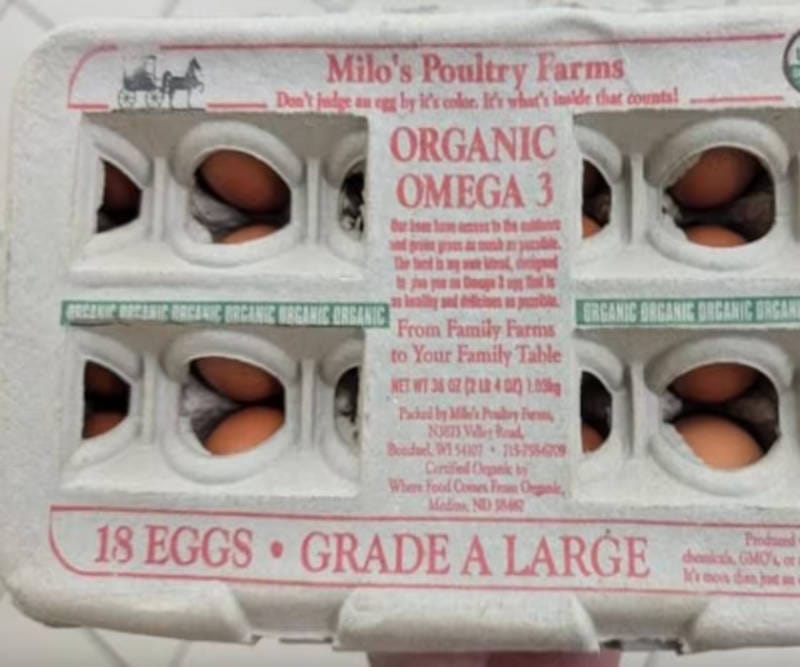
Salmonella Outbreak Linked to Recalled Eggs Sickens 65 People Across Nine States



Tuesday, November 12, 2024
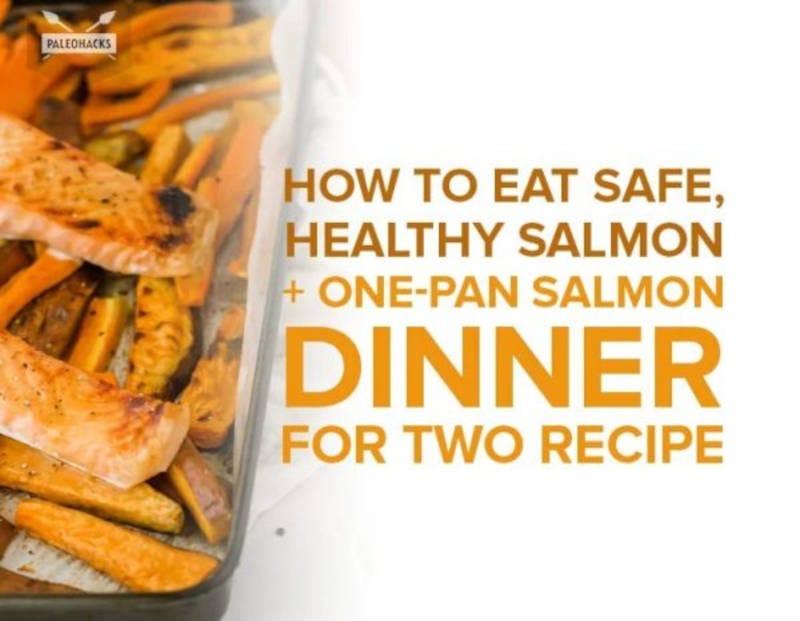
How to Choose Safe and Healthy Salmon + A Simple One-Pan Salmon Dinner for Two




Monday, November 11, 2024
Gum Disease Bacteria Linked to Higher Risk of Head and Neck Cancer