Monday, September 02, 2024
Health Span Secrets for Lifelong Vitality
Discover how focusing on your health span can improve your overall quality of life, from childhood through old age. Learn tips and insights for connecting with what truly matters in terms of your well-being.
In today’s health-conscious world, living longer isn’t the only goal—living healthier and fuller lives is what truly matters. Imagine not just adding years to your life but also adding life to your years. The concept of healthspan centers around maintaining health and vitality throughout life, free from chronic diseases and disabilities. This blog post will guide you through the idea of healthspan across the lifespan, offering insights and practical steps to enhance your quality of life.
Understanding Health Span vs. Life Span
While the term life span is commonly understood as the total years we live, health span is about the quality of those years. It focuses on the periods when we are healthy, active, and free from serious illness. This distinction is crucial because it shifts the focus from merely extending life to enhancing its quality, which is becoming increasingly important for many people today.
The emphasis on health span encourages individuals to consider how they can live more fulfilling lives. Just like a well-maintained car runs smoothly, a well-maintained body and mind lead to a more enjoyable life. But why is it so challenging for millions of people to stay on track with their health? To explore this, we turn to principles from adult learning theory.
The Adult Learning Perspective on Health
Adults are inherently self-directed learners who need a compelling reason to change their behaviors. For health-related changes to stick, they must serve a purpose and resonate with personal values. This approach makes health more relevant and attainable.
Imagine if improving your health meant more time to enjoy your favorite hobbies, travel with ease, or simply feel good every day. What would you do more of if you felt healthier? Visualizing these benefits can be a powerful motivator, turning health into a personal mission rather than an obligation.
Immediate Benefits of a Healthier Lifestyle
Adopting a healthier lifestyle can lead to a range of immediate benefits. You might experience increased energy, reduced stress levels, or improved mood. These changes can have a ripple effect, touching various aspects of your life.
For instance, regular physical activity has been shown to boost mental sharpness and emotional well-being. Eating nutritious foods can enhance your skin complexion and digestion in days. These immediate improvements can sustain your motivation and help build momentum toward longer-term health goals.
Plan and Measure Your Health Journey
Adults prefer to plan their learning experiences and evaluate outcomes, which applies to health as well. Setting specific, measurable, achievable, relevant, and time-bound (SMART) goals can help structure your health improvement efforts.
Consider what changes you're willing to make. Is it incorporating more vegetables into your meals? Committing to daily walks? Decide what success looks like for you and how you will measure it. This approach empowers you to take charge of your health, making the process rewarding and sustainable.
Focus on What Truly Matters to You
Many healthcare providers are shifting from asking, “What’s the matter with you?” to “What matters to you?” This paradigm shift places your values and goals at the center of your health plan. It’s a refreshing way to approach health, steering you toward choices that align with your aspirations.
Reflect on what gives your life meaning and how your health supports those activities. By aligning your health goals with what you enjoy most, you strengthen your commitment and improve your chances of success.
A New Dialogue in Healthcare
Take Ben, for instance, a 55-year-old struggling with weight and prediabetes. His doctor shifted the conversation to explore Ben’s interests and how his health affected them. This new approach empowered Ben to set personal goals, like using his pool for exercise and adopting a standing desk at work.
Ben’s story illustrates the power of focusing on personal interests to drive health behavior change. When you prioritize what truly matters to you, health improvements become a natural extension of your daily life.

Crafting SMART Health Goals
Creating SMART goals helps you break down health objectives into actionable steps. Specificity and measurability make it easier to track progress, while relevance ensures your goals align with personal values.
Let's say you want to improve your cardiovascular health. A SMART goal might be to walk briskly for 30 minutes, five times a week, aiming to increase your endurance and energy levels. This is a concrete plan that provides clear direction and motivation.
Support for Your Health Span Journey
Understanding health factors across the lifespan is key to developing sustainable habits. While genetics play a role, lifestyle choices and environmental factors are significant drivers of health outcomes.
Epigenetics, or how lifestyle can influence gene expression, points to the importance of healthy habits. Eating nutrient-rich foods, exercising regularly, and managing stress can all positively affect your genes and overall health.
Environmental Influences on Health
Environmental factors such as exposure to pollutants and chemicals also impact health span. Awareness and proactive management of these influences can help mitigate their effects. For example, choosing organic food options and using natural cleaning products can reduce exposure to harmful substances.
Understanding these factors positions you to make informed decisions about your environment and lifestyle, ultimately enhancing your health span.
Preventing Chronic Diseases through Lifestyle
Chronic diseases are often preventable through lifestyle modifications. Nutrition, physical activity, and avoiding harmful substances are key areas where small changes can have a big impact.
A balanced diet rich in whole foods, regular movement, and stress management are foundational elements of a healthy lifestyle. These habits not only prevent disease but also promote vitality and resilience.
Modifiable Behaviors for a Quality Health Span
Focusing on behaviors you can control is empowering. Good nutrition, physical activity, and stress management are within your reach and can significantly enhance your health span.
Hydration, eating a variety of fruits and vegetables, and limiting alcohol intake are simple yet effective nutritional strategies. Similarly, regular exercise and mindfulness practices can help maintain a healthy body and mind.
Shifting the Paradigm for Better Health
Ultimately, your health span is deeply connected to what you value most. By centering your health efforts on what matters to you, you are more likely to succeed and enjoy the process.
When you prioritize meaningful activities and align your health behaviors with them, the benefits multiply. You not only improve your health but also enrich your life, creating a fulfilling and vibrant future.
Taking Action on Your Health Span
Reflect on what truly matters to you and how your health enables those priorities. Use this understanding to set personalized health goals that motivate and excite you.
Whether it’s spending more time outdoors, traveling, or enjoying hobbies, your health is a crucial enabler. Commit to changes that support your aspirations and watch your quality of life unfold.
Conclusion
Your health span is a valuable asset, influencing every aspect of your life. By focusing on quality over quantity, you can enhance your well-being and enjoy a fuller, more satisfying life. Use the insights and strategies shared in this post to guide your health span journey, connecting to what matters most to you.
If you’re ready to take the next step, explore further resources or consult with health professionals who can support your goals. Remember, your health is a powerful tool to unlock a vibrant future.

See other posts like this one:



Wednesday, November 13, 2024
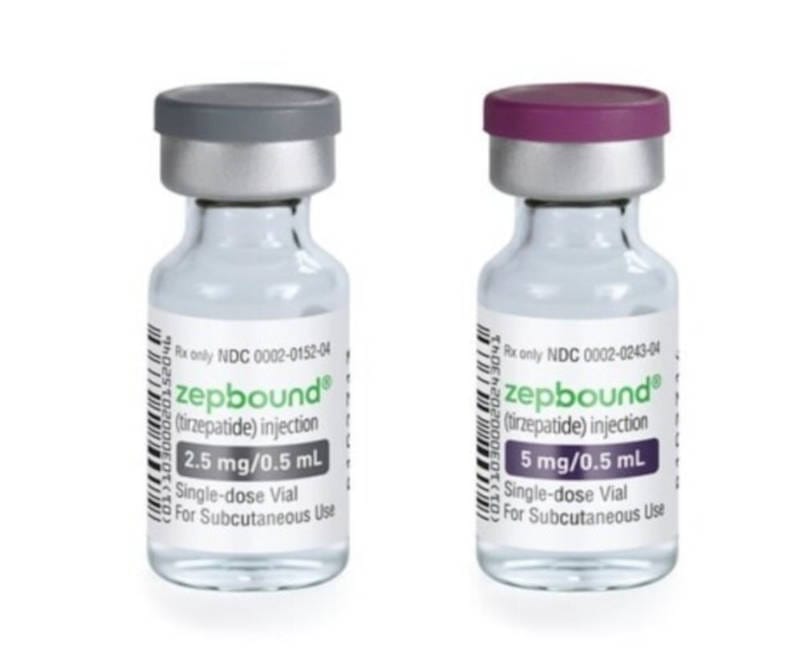
New Weight-Loss Drug Found Safe and Effective for Kids as Young as 6


Tuesday, November 12, 2024
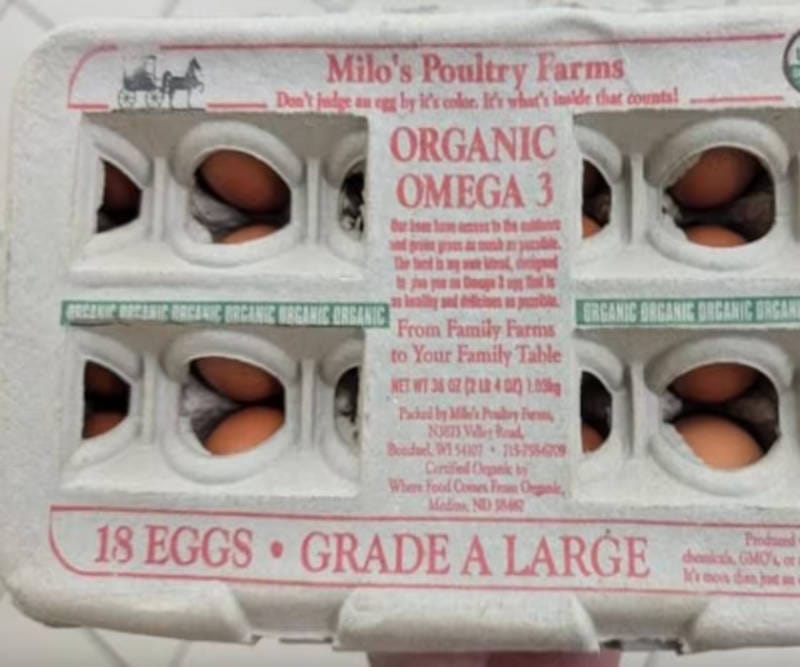
Salmonella Outbreak Linked to Recalled Eggs Sickens 65 People Across Nine States


Tuesday, November 12, 2024
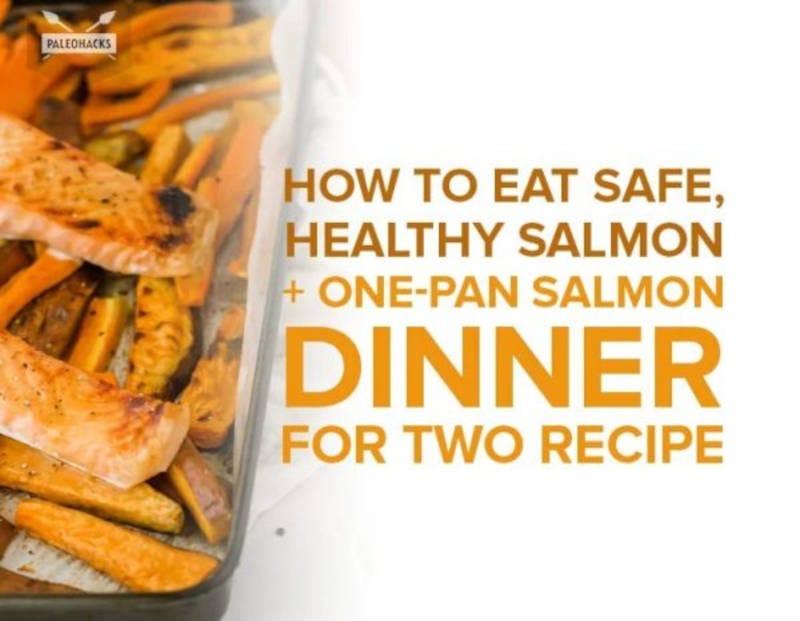
How to Choose Safe and Healthy Salmon + A Simple One-Pan Salmon Dinner for Two



Monday, November 11, 2024
Gum Disease Bacteria Linked to Higher Risk of Head and Neck Cancer