

Friday, June 28, 2024
How Long Should You Hold a Plank? Discover the Secrets to a Stronger Core
Want to know how long you should hold a plank for maximum results? Read on to learn about the benefits of planking and tips for strengthening your core muscles.
Planking has taken the fitness world by storm. Everyone from pro athletes to workout beginners is incorporating planks into their routines. But there's one burning question on everyone's mind—how long should you hold a plank for the best results?
In this blog post, we'll uncover the ins and outs of planking, from the basics to expert tips on maximizing your workout. Whether you're just starting your fitness journey or you’re a seasoned plank enthusiast, you'll find valuable insights to help you strengthen your core.
What is a Plank?
The plank is a bodyweight exercise that strengthens your core muscles. It's considered one of the most effective core workouts because it engages multiple muscle groups simultaneously. The beauty of the plank is its simplicity—no equipment needed, just your body and a flat surface.
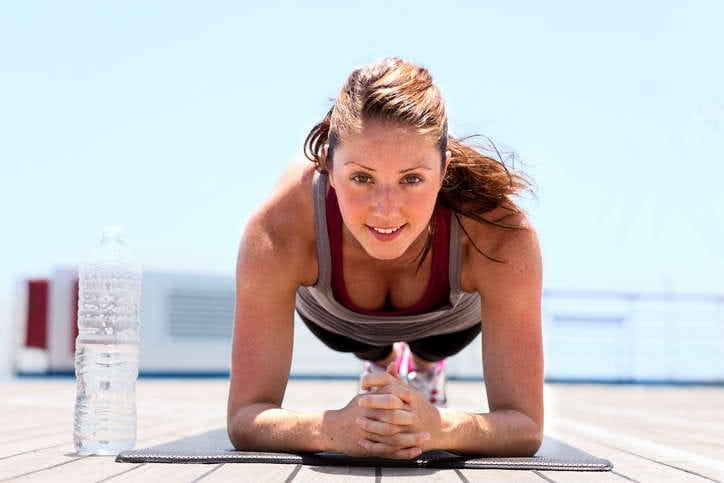
To perform a plank, you need to hold your body in a straight line from head to heels, supported by your forearms and toes. Despite its simplicity, the plank can be quite challenging, especially as you increase the duration.
Planks are versatile; they can be modified to suit different fitness levels. Whether you opt for a basic forearm plank, a high plank, or advanced variations, the core principles remain the same—maintaining a straight, rigid body line.
How to Do a Plank
Before jumping into how long you should hold a plank, it's crucial to master the proper form. Improper technique can lead to injury and reduce the effectiveness of the exercise.
Start by lying face down on the floor. Place your forearms on the ground with elbows aligned below your shoulders. Your arms should be parallel to your body, about shoulder-width apart. Tuck your toes under and lift your body off the ground, forming a straight line from your head to your heels.
Keep your neck neutral by looking at a spot on the floor about a foot beyond your hands. Hold this position, making sure not to compromise the alignment of your body. If you feel your hips sagging or rising, adjust your posture.
Remember to breathe! Holding your breath can make the exercise feel more strenuous than it needs to be. Inhale and exhale steadily to maintain your form.
How Does a Plank Work to Strengthen Your Core?
Planks target your entire core, including the rectus abdominis, transverse abdominis, and obliques. Unlike crunches, which primarily work the superficial muscles, planks engage deeper stabilizing muscles that support your spine and pelvis.
When you hold a plank, you activate muscles in your shoulders, chest, back, and legs too. This multi-muscle engagement makes planking a full-body exercise that enhances overall strength and stability.
Planks also promote better posture. By strengthening the core muscles that support your spine, you can improve your alignment and reduce the risk of back pain. Consistent planking can translate into better functional fitness, making everyday activities easier and safer.
So, How Long Should I Hold a Plank?
Now, the million-dollar question—how long should you hold a plank for optimal results? While holding a plank for extended periods might seem impressive, quality trumps quantity.
For beginners, aim to hold a plank for 20 to 30 seconds. This duration provides a solid foundation for building core strength. Focus on maintaining good form rather than pushing for longer holds initially.
Intermediate planking enthusiasts can strive for 1 to 2 minutes. At this stage, your core muscles are more developed, and you can challenge yourself to hold the position longer while keeping perfect form.
Advanced individuals might aim for 3 minutes or more. However, it’s essential to listen to your body. Holding a plank for too long can lead to deteriorating form and potential injuries. Instead of excessively long holds, try incorporating plank variations or adding dynamic movements to keep your core engaged.
The Benefits of Shorter Planks
While longer planks steal the spotlight, shorter planks have their own set of benefits. Doing multiple sets of shorter planks with proper form can be just as effective, if not more so, than holding a plank for an extended period.
Shorter planks minimize the risk of injury by ensuring you maintain correct alignment throughout the exercise. They also allow for more variation in your workout, keeping your routine fresh and preventing plateauing.
Listening to Your Body
Your body knows best. Pay attention to how you feel during and after planking. If you experience discomfort or pain, it’s a sign that you may need to adjust your technique or reduce your plank duration.
Gradually increase your hold time as your core strength improves. Patience and consistency are key. There’s no one-size-fits-all answer; what works for one person might not work for another.
Advanced Plank Variations
Once you’ve mastered the basic plank, why not take it up a notch? Advanced variations can further challenge your muscles and prevent workout monotony.
Try side planks to engage your obliques or one-legged planks to intensify the core activation. Plank jacks and plank shoulder taps add a dynamic element, improving both strength and coordination.

Incorporating Planks into Your Workout Routine
Consistency is crucial for seeing results. Aim to incorporate planks into your workout routine at least three times a week. Combine them with other core exercises for a comprehensive workout.
Planking can also be an excellent warm-up or cool-down exercise. It activates your muscles and gets your blood flowing, preparing you for more intense activities or aiding recovery post-workout.
Common Planking Mistakes
Avoid common pitfalls to get the most out of your planking sessions. Sagging hips, lifted buttocks, and strained necks are frequent errors that compromise form and effectiveness.
Focus on maintaining a straight line from head to heels. Engage your core, squeeze your glutes, and keep your neck neutral. A mirror or a workout buddy can help ensure your form remains impeccable.
Setting Realistic Goals
Setting achievable goals can keep you motivated. Start with shorter planks and gradually increase your hold time as you build strength. Celebrate your progress, no matter how small.
Use a timer or a fitness app to track your planking durations. Seeing your improvement over time can be incredibly rewarding and encourage you to keep pushing forward.
The Role of Nutrition in Core Strength
Exercise alone won’t give you a strong core. Your diet plays a significant role in building muscle and reducing body fat. Fuel your body with a balanced diet rich in protein, healthy fats, and complex carbohydrates.
Stay hydrated and avoid processed foods. Proper nutrition supports muscle recovery and growth, enhancing the results of your planking efforts.
Joining a Fitness Community
Planking doesn’t have to be a solitary activity. Joining a fitness community can provide support, motivation, and accountability. Share your progress, exchange tips, and celebrate milestones with like-minded individuals.
Online forums, social media groups, or local fitness classes are great places to connect with others who share your fitness goals. Together, you can stay motivated and achieve your core strength targets.
Conclusion
Planking is a powerful exercise that can transform your core strength and overall fitness. By focusing on proper form and gradually increasing your hold time, you can reap the maximum benefits of this simple yet effective workout.
Remember, it’s not about how long you hold a plank, but how well you do it.
Prioritize quality over quantity, listen to your body, and stay consistent. With patience and dedication, you'll build a stronger, more resilient core.
Ready to take your planking to the next level? Start by mastering the basics and gradually challenge yourself with advanced variations. Consistency, proper form, and balanced nutrition are your keys to success.
Happy planking, and may your core be strong!

See other posts like this one:

Saturday, June 29, 2024
Can Weekend Workouts Keep You Fit? The Surprising Truth for Fitness Enthusiasts


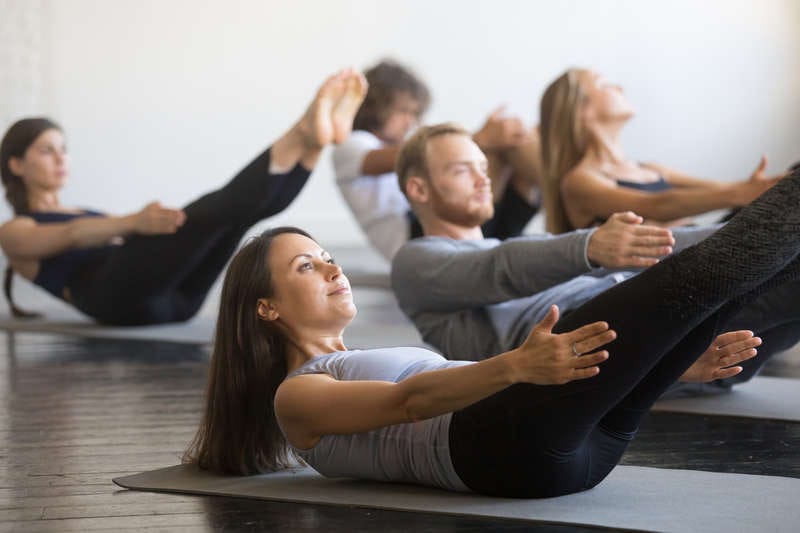
Friday, June 28, 2024
Transform Your Workout Routine with Simple Pilates Strength Training for Beginners
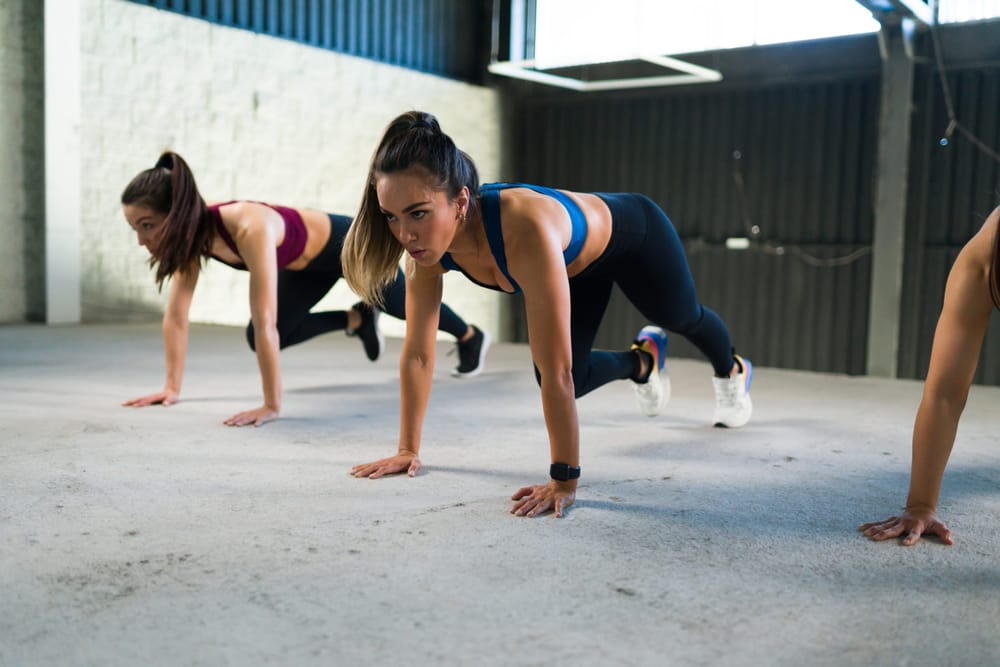
Friday, June 28, 2024
Say Goodbye to Crunches Discover 8 Ab Workouts That Will Transform Your Core

Thursday, June 27, 2024
Keep Your Blood Flowing 7 Exercises to Boost Circulation in Your Legs and Feet

Thursday, June 27, 2024
Discover the Game-Changing Benefits of Pickleball and How to Get Started



