Friday, November 15, 2024
How Much Creatine Do You Need?
Learn the difference between tight and stiff muscles and discover effective stretches and mobility exercises to loosen up, improve flexibility, and enhance mobility.
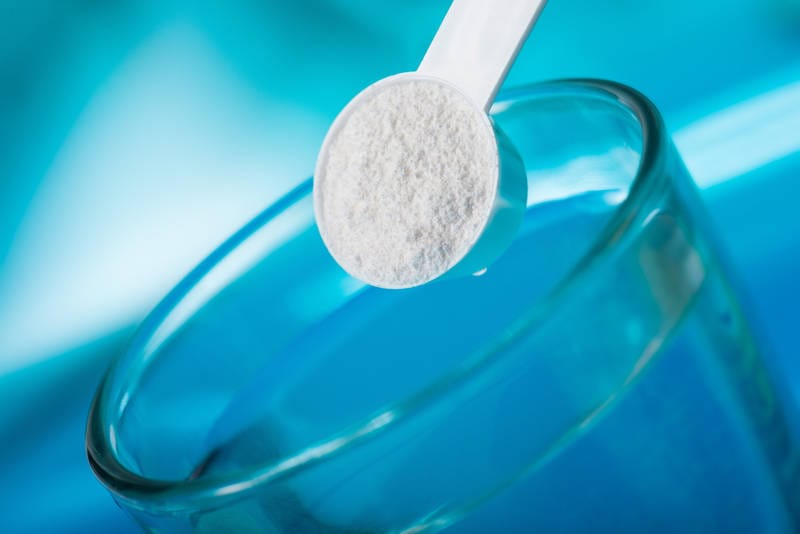
Creatine is one of the most popular and well-researched supplements available today. It's widely used by athletes, bodybuilders, and fitness enthusiasts for its proven benefits in improving performance and recovery. Recent research also highlights its potential for supporting healthy aging, brain function, and overall health. So, how much creatine should you take, and does the dosage vary based on your goals?
Why Take Creatine?
Creatine became popular because hundreds of studies have shown it’s safe and effective. Here’s why people use it:
Boosts Energy and Performance:
Creatine helps your body produce more ATP (adenosine triphosphate), the energy source your cells use. This can improve performance during high-intensity activities like sprinting, weightlifting, or other short bursts of intense effort.
Supports Muscle Growth:
It helps draw water into muscle cells, making them look bigger and function better. It can also reduce muscle damage and inflammation, speeding up recovery and reducing fatigue during workouts. Over time, this supports better training sessions and muscle growth.
Promotes Bone Health:
Studies suggest creatine may increase activity in bone cells and help maintain muscle strength, which supports bone health as you age.
Improves Brain Function:
Research shows creatine may enhance brain performance, particularly for tasks requiring short-term memory or quick thinking. It may even protect the brain from damage.
With more than 1,000 studies backing its benefits, creatine is one of the most reliable and well-researched supplements.
How Much Creatine Should You Take?
The right dosage depends on your goals, body weight, and activity level. Here’s a simple breakdown:
1. Loading Phase (Optional):
- Why: Ideal if you want quicker results for athletic performance. However, it’s not necessary and may cause temporary stomach discomfort for some people.
- How much: 20 grams per day for 5–7 days, split into four 5-gram doses.
- What it is: A fast way to saturate muscles with creatine in about a week.
2. Maintenance Phase:
- Why: This steady dose achieves full muscle saturation over 3–4 weeks without the need for loading. It’s simple, effective, and easier on your stomach.
- How much: 3–5 grams per day.

Adjusting Dosage by Body Weight:
Standard Recommendation: 0.03 grams of creatine per kilogram of body weight.
For example:
- If you weigh 180–200 lbs: Take 2.5–3 grams per day.
- If you weigh 130–150 lbs: Take 2 grams per day.
- General Health & Brain Function: 5 grams per day is a good standard for overall health benefits.
- Endurance Training: If you’re an endurance athlete, a smaller dose of 3 grams per day may be enough to help with recovery and reducing fatigue.
- Intense Training: If you’re focusing on strength, power, or muscle building, you can increase your dosage to 5 grams per day.
Key Tips for Taking Creatine:
- Hydration: Drink plenty of water to keep muscles hydrated and support overall health.
- Timing: You can take it any time, but post-workout with a meal may improve absorption.
- Consistency Matters: Take creatine daily, even on rest days.
Creatine is a powerful supplement with a long history of safe and effective use. By choosing the right dosage for your needs and sticking with it daily, you can maximize its benefits for your workouts, recovery, and even brain health.

See other posts like this one:




Monday, June 03, 2024
Tailoring Mealtimes For Health: Should Your Largest Meal Be Lunch or Dinner?