Tuesday, October 29, 2024
How Therapy Dogs Can Also Ease Stress for Nurses and Doctors
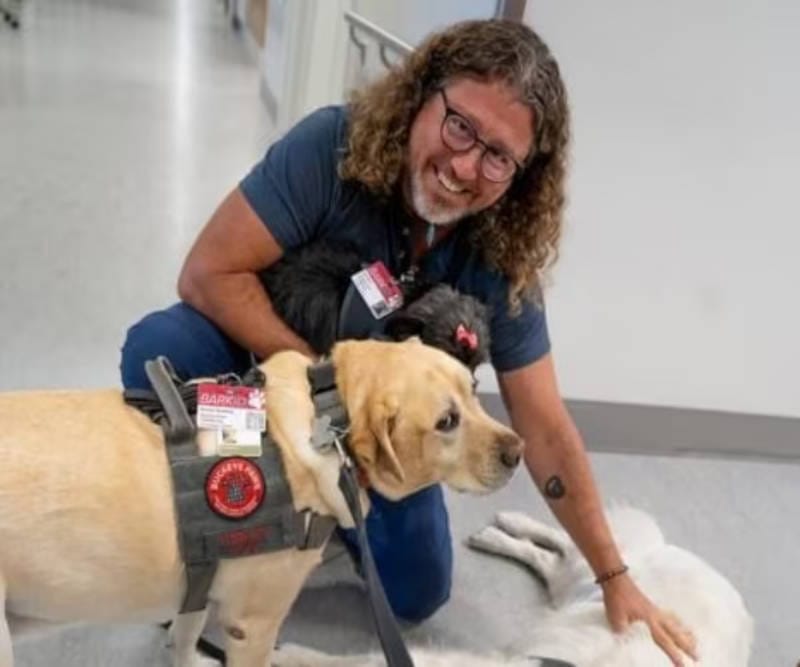
Not just for patients, therapy dogs can also provide much-needed stress relief for our hardworking nurses and doctors. Read on to learn more from a candid perspective.
In high-pressure environments like hospitals, stress is more than just an inconvenience—it's a constant companion. But what if there was a simple, furry solution? Enter therapy dogs, the unsung heroes who offer more than just a wagging tail. They provide comfort, ease anxiety, and bring a moment of peace to the hectic lives of healthcare professionals. This post dives into the comforting presence of therapy dogs and their ability to transform the work environment for nurses, doctors, and other healthcare workers.
The Therapeutic Role of Dogs in Healthcare
From the moment therapy dogs enter a room, there's an undeniable shift in energy. Their mere presence can cut through the tension that often permeates hospital halls. These dogs are trained to offer unconditional love and support, tapping into a natural human affinity for animals. Research has shown that interaction with therapy dogs can significantly enhance the emotional well-being of healthcare workers.
Healthcare settings are fraught with stressors that can wear down even the most resilient professionals. Long hours, critical decisions, and emotional labor take a toll. In this challenging landscape, therapy dogs offer an escape—a respite from the relentless demands of the job. The furry companions provide an emotional outlet, allowing people to experience joy and relaxation, even if only briefly.
The science behind therapy dogs is simple yet profound. Physical interaction with animals has been shown to trigger the release of oxytocin, a hormone linked to happiness and stress reduction. This chemical change translates to improved moods and lowered anxiety levels, offering healthcare workers a much-needed morale boost amid their demanding schedules.
Buckeye Paws Champions Mental Health
The Buckeye Paws program at Ohio State University Wexner Medical Center exemplifies the power of therapy dogs. Launched in March 2020, this initiative aims to support the mental health of healthcare staff during the pandemic's arduous early days. The program has grown exponentially, now encompassing 29 dog-handler teams, with additional teams in training to meet rising demand.
The program's success lies in its simplicity. Certified therapy dogs and their volunteer handlers visit hospital units regularly, offering spontaneous, unobtrusive interactions. These sessions allow healthcare workers to engage with the dogs freely, choosing the depth and duration of their time with the animals. The goal is straightforward—offer a break from the norm and a chance to recharge emotionally.
The impact of Buckeye Paws goes beyond individual well-being. It fosters a sense of community, creating connections among staff who share the experience of interacting with therapy dogs. These connections build a supportive network, crucial for sustaining morale in high-stress environments. Through these interactions, healthcare workers find solidarity and strength in shared moments of joy.
Emotional Exhaustion and Therapy Dogs
One of the most pressing issues in healthcare today is emotional exhaustion. This silent epidemic affects a wide range of professionals, including doctors, nurses, therapists, and support staff. The constant exposure to high-stakes situations leaves many healthcare workers feeling depleted, both mentally and emotionally.
Therapy dogs provide a unique remedy for this exhaustion. Their presence offers a break from the emotional turmoil, a chance to reconnect with positive emotions. The act of petting a dog or simply being in the presence of such a warm, non-judgmental creature can stimulate emotional healing. It's a simple yet effective way to counteract the effects of burnout.
For those in relentless caregiving roles, therapy dogs become a source of comfort and understanding. They offer a safe space to decompress, bridging the gap between emotional fatigue and rejuvenation. This interaction isn't just about stress relief; it's about renewing the capacity to care, essential for healthcare professionals who must maintain empathy and compassion daily.
The Study That Proved a Point
To understand the measurable impact of therapy dogs, researchers conducted a study involving 64 healthcare workers across surgical and intensive care units. The participants included a diverse group of professionals—from doctors and nurses to rehabilitation therapists and unit clerks. The study provided valuable insights into the tangible benefits of therapy dog interactions.
Participants engaged with the dogs during brief, unstructured sessions, free to spend as much or as little time as they desired. Mood scales were used before and after these interactions to quantify any emotional changes. The results were clear and compelling—therapy dogs significantly reduced stress, emotional exhaustion, and feelings of burnout among healthcare workers.
These findings validate the potential of animal-assisted activities to improve emotional resilience in high-pressure settings. The study highlights the immediate benefits of therapy dog interactions, proving that even a few moments with a furry friend can have a profound effect on well-being. It's a testament to the power of canine companionship in enhancing workplace morale.
Expanding the Impact of Therapy Dogs
The success of Buckeye Paws has prompted expansion beyond its initial scope. The program now extends its services to students, faculty, and staff at Ohio State University, broadening its reach and impact. This growth reflects a growing recognition of the benefits of therapy dogs in diverse settings, from academic environments to corporate offices.
The expansion of therapy dog programs exemplifies a commitment to holistic well-being. By integrating animal-assisted activities into various aspects of institutional life, organizations demonstrate a dedication to supporting mental health. This approach fosters a culture of care, emphasizing the importance of nurturing emotional resilience alongside professional responsibilities.
Through programs like Buckeye Paws, therapy dogs become ambassadors of well-being. Their presence serves as a reminder of the importance of self-care, encouraging individuals to prioritize mental health. This shift in focus is vital in today’s world, where stress and burnout are prevalent across professions.

Why Non-Judgmental Companionship Matters
A significant part of therapy dogs' appeal is their non-judgmental nature. In healthcare, where professionals constantly face scrutiny and pressure, having a companion who offers unconditional acceptance is invaluable. Dogs don't care about job performance or daily challenges; they simply offer companionship and support.
This non-judgmental interaction provides a safe space for emotional release. Healthcare workers can express their feelings openly, without fear of judgment or repercussions. This freedom allows individuals to process emotions constructively, reducing the emotional burden that often accompanies caregiving roles.
The presence of therapy dogs reminds healthcare workers of the value of being in the moment. In a profession driven by outcomes and efficiency, pausing to enjoy a dog's company can ground individuals in the present. This mindful interaction fosters emotional balance, enhancing resilience and well-being.
Therapy Dogs and Job Satisfaction
Job satisfaction in healthcare is intrinsically linked to emotional well-being. When professionals feel valued and supported, they are more likely to thrive in their roles. Therapy dogs contribute significantly to this sense of satisfaction by creating a positive work environment that prioritizes emotional health.
Interacting with therapy dogs can elevate mood and boost morale, creating a ripple effect throughout the workplace. A single positive interaction can inspire camaraderie and collaboration, enhancing overall job satisfaction. This environment encourages innovation and creativity, as individuals feel empowered to contribute their best.
Organizations that incorporate therapy dogs into their wellness strategies demonstrate a commitment to employee well-being. This commitment fosters loyalty and retention, reducing turnover rates and enhancing organizational culture. By prioritizing emotional health, healthcare institutions create a workplace where professionals feel valued and motivated to excel.
Connecting with Canine Companions
The bond between humans and dogs is profoundly unique. This connection transcends words, offering a deep sense of understanding and empathy. In healthcare, where communication is often clinical and transactional, therapy dogs provide a refreshing contrast, connecting with individuals on an emotional level.
This bond is rooted in mutual trust and respect. Dogs offer unwavering loyalty and companionship, meeting individuals where they are emotional. This connection creates a safe space for vulnerability, allowing healthcare workers to express emotions openly and honestly.
Therapy dogs remind us of the power of presence. Their ability to be fully present in the moment encourages us to do the same, fostering mindfulness and awareness. This connection with canine companions enhances emotional resilience, providing a foundation for personal and professional growth.
The Journey Ahead for Therapy Dogs
Looking to the future, the role of therapy dogs in healthcare will likely continue to expand. As awareness of their benefits grows, more institutions will integrate animal-assisted activities into their wellness programs. This expansion will create new opportunities for therapy dogs to make a difference, reaching broader audiences and impacting more lives.
The future of therapy dogs is bright, with endless possibilities for innovation and growth. Programs like Buckeye Paws serve as a model for how therapy dogs can be effectively integrated into diverse settings. As these initiatives evolve, therapy dogs will continue to play a crucial role in enhancing well-being and fostering emotional resilience.
For healthcare professionals, therapy dogs offer a lifeline—a source of comfort and support amidst the challenges of their roles. By embracing the potential of therapy dogs, institutions can create environments where emotional health is prioritized, enabling professionals to thrive.
Conclusion
Therapy dogs have emerged as invaluable allies in the fight against stress and burnout in healthcare. Their ability to offer comfort, connection, and emotional support makes them essential in creating positive, nurturing work environments. By integrating therapy dogs into wellness programs, healthcare institutions can enhance the well-being of their professionals, fostering resilience and satisfaction.
For those seeking to prioritize mental health, therapy dogs offer a unique and effective solution. Their presence is a reminder of the importance of self-care and emotional balance, encouraging individuals to prioritize their well-being. In a world where stress is prevalent, therapy dogs remind us of the power of connection and compassion.
If you’re interested in exploring the benefits of therapy dogs further, consider connecting with local programs or organizations that offer animal-assisted activities. The positive impact of therapy dogs is undeniable, and their ability to transform lives is truly remarkable.

See other posts like this one:

Saturday, June 22, 2024
Boneless vs. Bone-In Wings—The Ultimate Showdown for Health and Fitness

Saturday, June 22, 2024
9 Proven Ways to Bust Through a Weight-Loss Plateau and Keep Going Strong

Saturday, June 22, 2024
Nourish Your Mind and Body with These 10 Foods to Fight Depression and Fatigue

Saturday, June 22, 2024
Discover the Secret to Boosting Your Health with the Best Greens Powder