Saturday, June 15, 2024
How to Craft a Healthy Emergency Kit for Home
Don't wait until disaster strikes - learn how to assemble a comprehensive and healthy emergency kit for your home with these expert tips. Keep you and your family prepared and safe!
At any given moment, you may find yourself in jeopardy, whether it's a natural disaster, an unexpected power outage, or a household accident. Having an emergency kit at the ready is fundamental, but how often do we consider the nutritional value of the items within its confines? Just as it’s crucial to have the tools to handle physical injury, ensuring your kit includes a cache of nutrition that will sustain and optimize health is equally important. Here, we will detail the essentials for stocking a healthy emergency kit at home, designed not just for survival, but for maintaining a high level of wellness during challenging times.
The Basics: Essentials for Nutrition and Survival
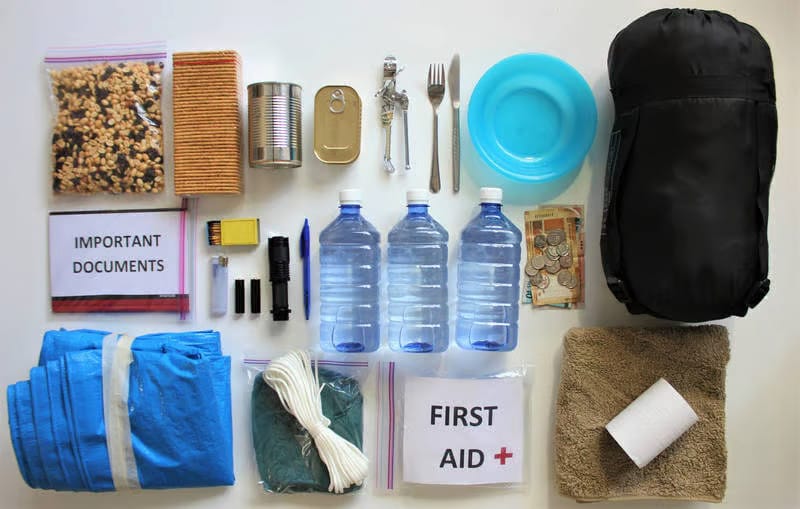
It’s established wisdom to have a robust emergency kit assembled and accessible in your home. This should include enough supplies to maintain your household for at least 72 hours.
Food and Water
Start with enough non-perishable food for each family member for at least three days. Be mindful that these should be items that require little to no preparation or refrigeration.
Water: The most essential item in any emergency kit is water. Store at least one gallon per person per day, for drinking and sanitation.
Purification Methods: Have a water purifier, specifically designed for emergency use, or purification tablets as a backup.
Genes and Your Taste Preferences
Nutrient-Rich Foods
Include a variety of high-protein, high-calorie, and nutrient-dense foods. Here are a few examples:
- Fermented Foods: Beyond their probiotic benefits, they also have lengthy shelf lives.
- Healthy Fats: Avocado or olive oil can also be stored long-term and add caloric density and taste to your meals.
- Staples: Keep brown rice, oatmeal, and a selection of whole-grain pastas for a macronutrient balance.
- Canned Goods: Canned beans, vegetables, fruits, and meats provide a wealth of nutrients.Protein: Opt for powders and bars that can be easily mixed with water or eaten on the go.
Food Preparation and Storage
While an emergency may not seem like the time to worry about cooking, it’s smart to include ways to prepare food:
- Your emergency kit should cater to your everyday nutritional requirements, ensuring you have the energy and health to overcome unforeseen trials.
- Advanced Nutrition: Beyond the Basics
- Storage: Keep in mind any necessary containers for storage and rehydration purposes.Cooking Equipment: Include a camp stove with fuel, along with manual can openers and cooking utensils.

Hydration and Electrolytes
In addition to water, consider the need for hydration solutions and electrolyte powders. These can help you replenish electrolytes lost due to illness or exhaustion, both common during emergency situations.
Supplements and Medications
Each person’s medical needs vary, so individualize your kit with any essential prescription medications, as well as a stock of common over-the-counter medicines.
Food Intolerances and Diet Restrictions
If there are allergies or dietary restrictions within the household, be sure to include appropriate substitutions in your emergency kit.
Beyond Nutrition: A Holistic Approach to Preparedness
While nutrition is crucial, it’s not the only facet of health you need to consider in an emergency. Look to include items for hygiene, first-aid, shelter, and signaling for help.
First-Aid Kit
Your first-aid kit should be comprehensive. Alongside bandages and antiseptics, consider medications for pain relief, inflammation, and common ailments.
Personal Hygiene
Comfort is not a luxury, it’s a necessity. Ensure your kit includes items for personal hygiene, such as toilet paper, soap, and feminine products.
Emergency Supplies
Think of the array of possible emergencies you might face and tailor your kit accordingly with items like flashlights, batteries, whistles, ropes, and emergency shelters.
The Art of the Kit: Crafting Your Unique Emergency Preparation
Once you’ve gathered your supplies, organizing them in a way that makes sense for your household is key.
Regular Maintenance
Check expiration dates and swap out expired items at least once a year. Use this opportunity to update any emergency contact information and ensure all items are in working condition.
Personal Considerations
Personalize your kit with items specific to your family’s unique situation, such as pet supplies, copies of important documents, and comfort items like books or games for children.
Education and Training
Finally, ensure all household members are familiar with the location and use of the emergency kit. Consider taking first-aid and survival courses to supplement your physical preparations.
In creating a comprehensive, nutritionally balanced emergency kit, you’re not only preparing for life’s unforeseen turns but also setting a foundation for resilience and well-being. The peace of mind in knowing that you have the tools to support your health, even in the most dire circumstances, is an invaluable asset. Take the initiative now to both stock and understand your emergency kit, and ensure that it stands as a testament to your ability to not just survive, but thrive. Your future self will thank you, whatever life may bring.

See other posts like this one: