Sunday, June 16, 2024
How to Design Your Home for Maximum Health & Longevity
Discover simple yet effective ways to create a healthy and long-lasting living space, from using natural materials to incorporating stress-reducing elements. Create a home that promotes your well-being today!
Investing in a healthy lifestyle goes beyond the walls of the gym or your doctor’s office – the way you design your living space has a profound impact on your health and longevity. From the placement of furniture to the selection of lighting, the elements of interior design are central to fostering a life that promotes wellness. This is particularly pertinent for fitness enthusiasts and health-conscious individuals who recognize the significance of their environment in maintaining good habits.
In this comprehensive guide, we will unveil the foundational principles of home positioning and design that can be tailored to your unique needs and preferences, ensuring that your space becomes a sanctuary for your well-being.
1. Move Your TV
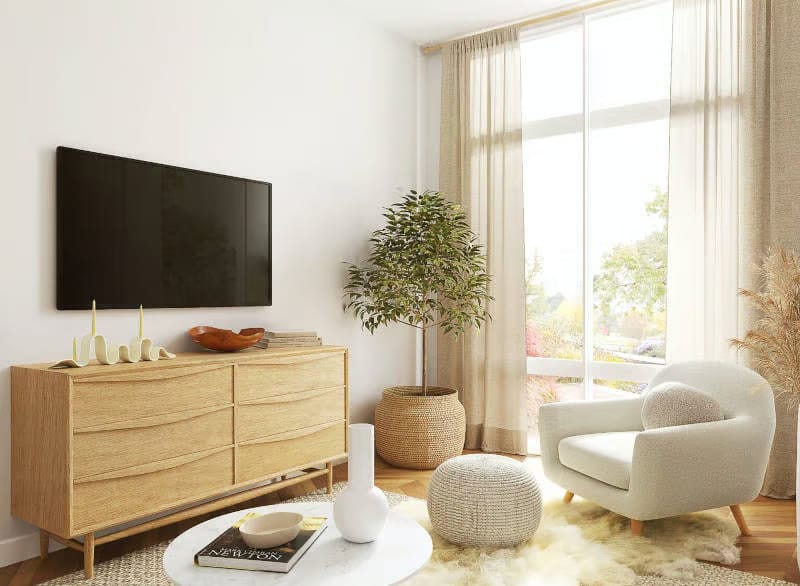
There’s no place like the living room to place a TV, but where exactly should it go? Most people default to positioning it directly across from the couch, encouraging sedentary behavior. Instead, consider placing your TV to the side, encouraging guests and residents to engage in more active conversation, reading, or listening to music. This simple shift can prevent the all-too-easy habit of excessive screen time.
2. Set Your Kitchen Up for Success
The kitchen is the hub of the home, and how you set it up can dictate your dietary habits. Organize your fridge and pantry so the healthiest options are easily visible and accessible. Store whole foods like fruits and vegetables at eye level, and consider using glass containers for cut-up fruits and veggies to promote snacking on unprocessed, nutrient-rich options.
A water filter can also be a worthy addition to encourage regular hydration. And don't forget about light. Ample natural light in the kitchen has been linked to healthier eating habits and lower BMI.
3. Go Low
Incorporate low seating options where possible. This could be in the form of floor cushions, ottomans, or even a Japanese chabudai table. These designs promote a more flexible seating arrangement that allows for a greater range of movement and encourages sitting cross-legged, which can improve flexibility and reduce back pain.
4. Light It Up
Lighting is a powerhouse in creating spaces that are conducive to health. Invest in a mix of lighting sources, combining overhead, task, and accent lights. For energy and mood regulation, opt for full spectrum lighting, which mimics natural daylight. It can also be beneficial to have dimmer switches to transition between bright and soft lighting to correspond with circadian rhythms.
5. Remove Tripping Hazards
Falls are one of the leading causes of injury especially for older adults. Ensure that pathways are clear of electrical cords, area rugs are firmly secured, and clutter is kept to a minimum to prevent accidents. Use bright, contrasting colors for decorations, especially on stairways, to lower the risk of trips and falls.
6. Declutter
A cluttered home leads to a cluttered mind. Stress and anxiety can be heightened in spaces that are messy and disorganized. Design your home to include ample storage solutions that are functional and beautiful. This could include built-in shelving units, multi-functional furniture pieces, and decorative storage options to keep items out of sight.

See other posts like this one:



Sunday, June 16, 2024
The Ultimate Guide to Creatine Supplementation: Enhancing Your Fitness Journey💪🍏






Saturday, June 15, 2024
Unlocking the Mystery of Vivid Dreams: Understand, Interpret, and Improve Your Sleep