Friday, May 31, 2024
How to Improve Vision at Any Age: 12 Natural Tips
Discover natural ways to improve your vision, no matter what stage of life you're in. These easy tips can help enhance your eyesight and overall eye health.
There’s no denying the importance of vision, yet it’s something many of us take for granted. Seeing is just something we do. However, neglecting eye care can have devastating consequences, especially as we age. While there’s abundant information available about practicing dental hygiene, caring for our skin, and exercising our bodies for optimal health, few of us know much about taking care of our eyes. For example, we may not know how to improve vision or if it’s even possible. This is true even for those who wear corrective lenses or have noticed their vision declining.
In this post, we will share 12 natural tips to help improve your vision at any age. These strategies are designed to enhance your eye health, protect your eyesight, and ensure that your vision remains as sharp as possible.
1. Give Your Eyes a Break
In our digital age, we spend countless hours staring at screens. This constant exposure can lead to digital eye strain, causing discomfort and potentially long-term damage to our vision. Implement the 20-20-20 rule: every 20 minutes, take a 20-second break to look at something 20 feet away. This simple exercise helps reduce eye strain and fatigue.
2. Eat a Healthy, Nutrient-Rich Diet
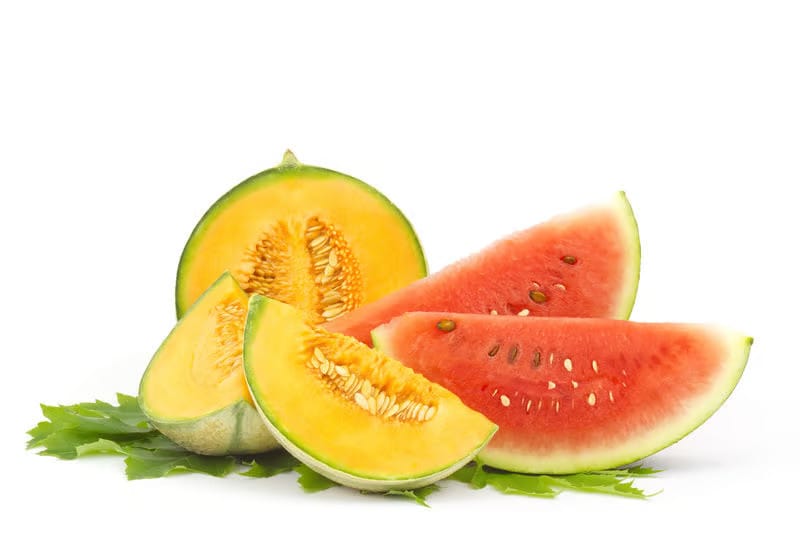
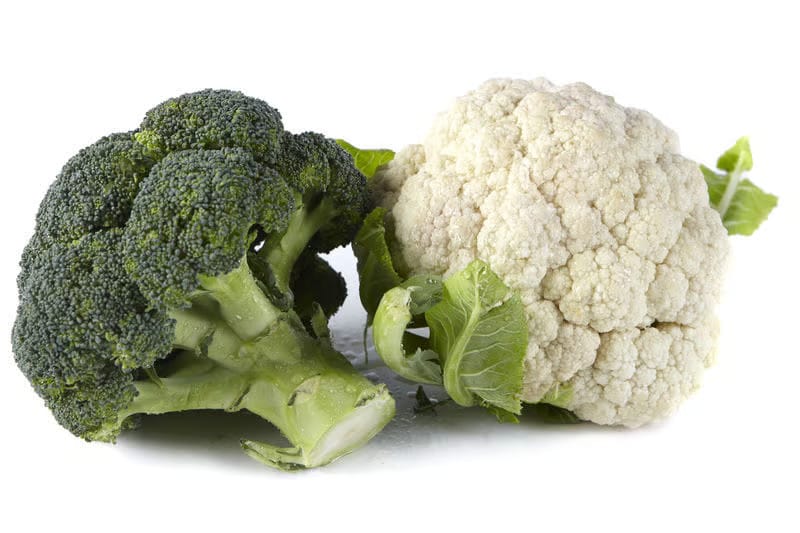
A balanced diet rich in vitamins and minerals is crucial for maintaining good eye health. Foods high in antioxidants, such as leafy greens, carrots, and sweet potatoes, can help protect your eyes from damage. Omega-3 fatty acids, found in fish like salmon and tuna, are also beneficial for eye health. Incorporate these foods into your diet to nourish your eyes from the inside out.
3. Consider Supplementing
Sometimes, our diets might not provide all the essential nutrients our eyes need. In such cases, consider taking supplements. Vitamins A, C, E, and minerals like zinc and selenium are known to support eye health. However, it's always best to consult with a healthcare professional before starting any new supplement regimen.
4. Get Enough Shut-Eye
Adequate sleep is vital for overall health, including your eyes. During sleep, your eyes are continuously lubricated and cleared of irritants, such as dust. Aim for 7-9 hours of quality sleep each night to give your eyes the rest they need to function optimally.
5. Exercise Regularly
Regular physical activity improves blood circulation, which in turn enhances oxygen supply to your eyes and helps remove toxins. Activities like walking, jogging, or yoga can contribute to better eye health. Exercise also helps manage conditions like diabetes and high blood pressure, which can negatively affect your vision if left unchecked.
6. Stay Hydrated
Hydration is essential for maintaining the moisture balance in your eyes. Dry eyes can be uncomfortable and lead to blurred vision. Drink plenty of water throughout the day to keep your eyes well-hydrated and functioning correctly.
7. Wear Eye Protection
Protecting your eyes from harmful UV rays and potential injuries is critical. Wear sunglasses that block 100% of UVA and UVB rays when you’re outside. Additionally, use protective eyewear during activities that could pose a risk to your eyes, such as certain sports or working with hazardous materials.
8. Keep Them Clean
Maintaining good eye hygiene is essential. Wash your hands before touching your eyes or handling contact lenses to prevent infections. Remove makeup before bed to avoid clogging the eye’s glands and causing irritation.
9. Don’t Smoke
Smoking is harmful to your eyes. It increases the risk of developing conditions like cataracts, macular degeneration, and optic nerve damage. If you smoke, consider quitting to protect your vision and overall health.
10. Keep Wearing Your Corrective Eyewear
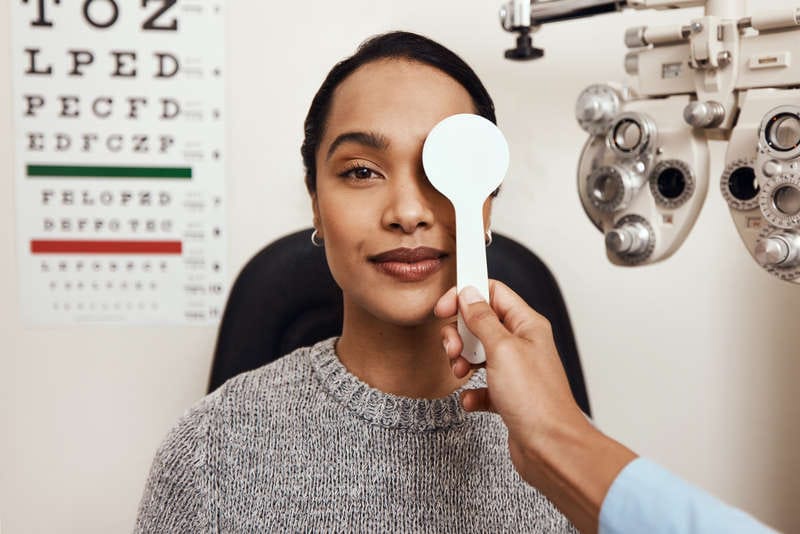
If you have been prescribed glasses or contact lenses, it’s essential to wear them as directed. Doing so ensures that your eyes do not strain unnecessarily, which can further deteriorate your vision.

See other posts like this one:





Monday, June 03, 2024
Tailoring Mealtimes For Health: Should Your Largest Meal Be Lunch or Dinner?