Friday, November 15, 2024
How to Properly Clean Fruits and Vegetables
Learn how to properly clean fruits and vegetables to remove dirt, pesticides, and bacteria. Follow simple steps for safe, fresh produce every time!
Grocery bills are on the rise, and many of us are reconsidering our choices to stick to a budget. While buying organic fruits and vegetables can be pricey, it’s still crucial to eat a variety of produce. Whether organic or conventionally grown, cleaning fruits and vegetables thoroughly is an easy way to reduce your exposure to contaminants.
Why Clean Your Produce?
Washing your fruits and vegetables helps remove:
- Pathogens like viruses that may lead to digestive issues.
- Dirt and bacteria that can cause foodborne illnesses.
- Pesticides and fertilizers left on the surface.
Steps to Fully Clean Fruits and Vegetables
1. Rinse Under Cold Water
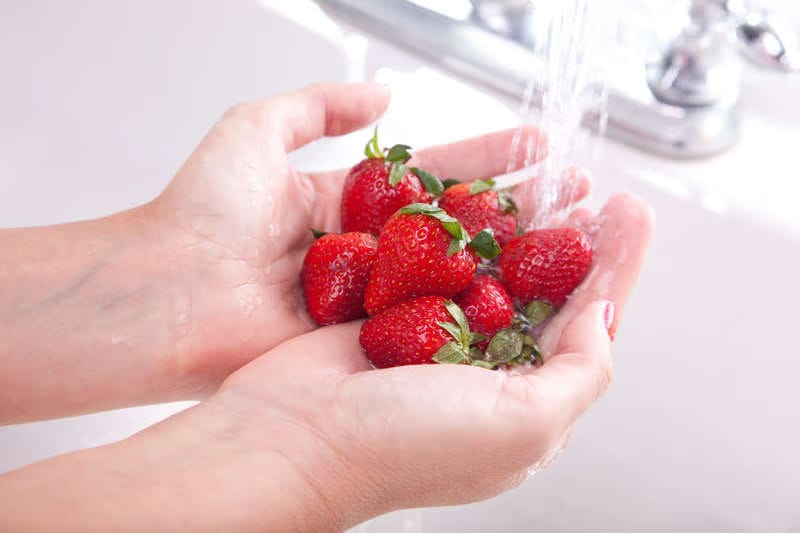
Hold the produce under running water.
Use your hands, a clean cloth, or a vegetable brush to rub off dirt and residue.
For leafy greens, remove the outermost leaves first.
2. Soak in Water
Fill a bowl with cold water and let the produce soak for a few minutes.
Agitate the water with your hands to loosen dirt and debris.
3. Use a Cleaning Solution (Optional)
Vinegar Solution: Mix 1 part vinegar with 3 parts water to disinfect and break down chemicals.
Baking Soda Solution: Add 1 teaspoon of baking soda to a bowl of water to tackle tough residues.
4. Rinse Again
Wash off any lingering vinegar, baking soda, or loosened debris with clean water.
5. Dry Thoroughly
Pat dry with a clean towel or use a salad spinner for leafy greens.
Ensure the produce is completely dry before storing to prevent mold growth.

Special Tips for Different Produce Types
- Herbs: Rinse in a bowl of cold water, agitate gently, and dry immediately with a towel or salad spinner.
- Berries: Wash gently under cold water or soak briefly in a vinegar-water mix. Don’t soak for long to avoid mushiness.
- Mushrooms: Avoid soaking. Wipe with a damp cloth or rinse quickly, then dry to prevent sogginess.
- Hardier Veggies (Carrots, Potatoes): Use a soft brush to scrub away visible dirt.
- Leafy Greens: Remove outer leaves, soak briefly, then rinse and dry.
Avoid These Common Mistakes
- Store properly: Always dry your produce thoroughly to avoid spoilage or mold.
- Don’t soak for too long: Over-soaking can cause the produce to absorb water and lose nutrients.

See other posts like this one: