Thursday, June 13, 2024
How to Protect Your Body from Collagen Loss
Discover the importance of collagen for your body and learn effective ways to prevent its loss. Keep your skin, hair, bones, and joints healthy with these tips.
There’s one compound in our bodies that holds us together like glue. It makes up 70-80% of the protein in the skin (and 30% of the protein in the body). What is it? Collagen.
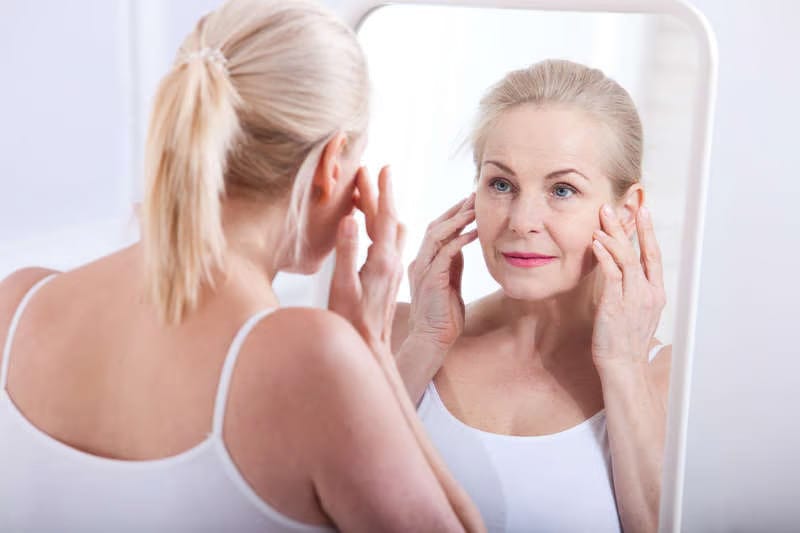
Collagen is a vital structural protein that helps maintain the skin's elasticity, strength, and overall integrity. However, as we age, collagen production naturally declines, leading to wrinkles, sagging skin, and other signs of aging. Collagen loss is the top cause of aging skin. So, what causes collagen loss in the body? And more importantly, how can we support collagen levels?
In this comprehensive guide, we’ll explore:
- Preventing collagen loss with longevity habits
- How to protect against collagen loss
- What causes collagen loss
- What collagen is
What is Collagen?
Collagen is a fibrous protein found in the connective tissue, skin, bones, and cartilage. It serves as the primary building block for our body’s skin, muscles, bones, tendons, and ligaments. Essentially, collagen acts like the scaffolding that holds our body together, giving it structure and strength.
There are at least 16 types of collagen, but the majority of it in the human body is made up of Type I, Type II, and Type III. Each type plays a unique role:
- Type III: Found in the skin, blood vessels, and internal organs.
- Type II: Mainly found in cartilage, providing joint support.
- Type I: The most abundant collagen in the body, found in skin, bones, tendons, and ligaments.
What Causes Collagen Loss?
Various internal and external factors contribute to the decrease of collagen in the body. Here are some primary culprits:
Aging
As we grow older, our body’s natural collagen production declines. This process begins as early as our mid-20s, with a noticeable decrease in the structural integrity of the skin by the age of 30-40.
Sun Exposure
Harmful UV rays from the sun break down collagen fibers and hinder the production of new collagen. Overexposure to sunlight accelerates skin aging and collagen loss.
Poor Diet
A diet lacking in essential nutrients—particularly those needed for collagen synthesis like vitamin C, zinc, and copper—can impair the body’s ability to produce collagen.
Smoking
The chemicals in cigarette smoke create free radicals that damage the collagen and elastin in the skin. Additionally, smoking restricts blood flow to the skin, further reducing collagen production.
Stress
Chronic stress increases cortisol levels, which can damage the collagen matrix in the skin.
Environmental Pollutants
Exposure to pollutants and toxins in the environment can lead to oxidative stress, which damages collagen fibers.
How to Protect Against Collagen Loss?
While collagen loss is a natural part of aging, there are several strategies to help protect and even boost your body’s collagen levels.
Eat a Collagen-Boosting Diet
Consume foods rich in collagen or those that support its production:
- Antioxidant-Rich Foods: Protect collagen from oxidative damage. Include berries, nuts, and dark chocolate in your diet.
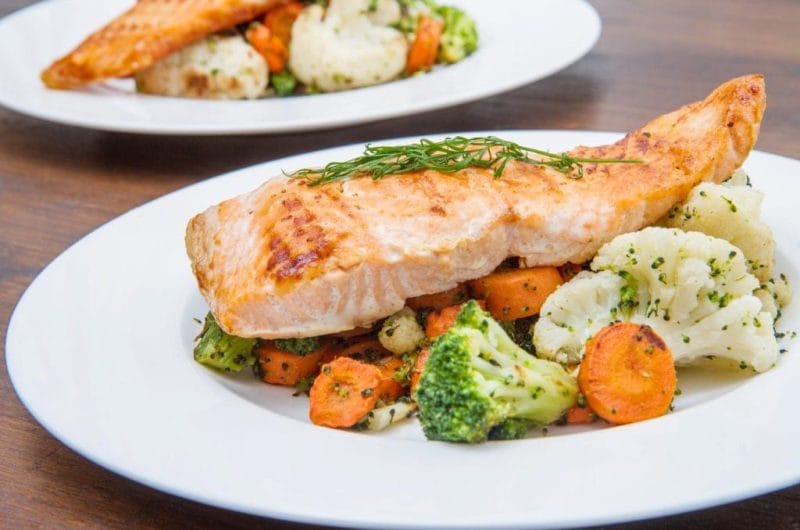
- Protein-Rich Foods: High-quality proteins like fish, chicken, beans, and eggs provide the amino acids needed to build collagen.
- Vitamin C-Rich Foods: Necessary for collagen synthesis. Think citrus fruits, berries, and leafy greens.
- Bone Broth: A direct source of collagen.

Take Collagen Supplements
Collagen supplements, often available in powder or pill form, can help replenish the body’s collagen levels. Hydrolyzed collagen is particularly effective as it is broken down into smaller peptides that are easier for the body to absorb.
Protect Your Skin from the Sun
Use broad-spectrum sunscreen with at least SPF 30 daily, even on cloudy days, to shield your skin from harmful UV rays.
Avoid Smoking
Quitting smoking can halt further collagen damage and improve overall skin health.
Manage Stress
Incorporate stress-reducing practices into your routine, such as yoga, meditation, or deep-breathing exercises, to lower cortisol levels and protect collagen integrity.
Use Skin Care Products with Collagen-Boosting Ingredients
Products containing retinoids, vitamin C, and peptides can stimulate collagen production and improve skin texture.
Preventing Collagen Loss
Preventing collagen loss involves adopting longevity habits that promote healthy aging. Inspired by the Blue Zone lifestyle—regions known for their high percentage of centenarians—we can integrate certain practices into our daily lives:
Stay Hydrated
Water is essential for maintaining skin elasticity and overall collagen health. Aim to drink at least eight glasses of water a day.
Exercise Regularly
Regular physical activity increases circulation and the delivery of nutrients to the skin, supporting collagen production. Activities like resistance training and high-intensity interval training (HIIT) are especially beneficial.
Get Adequate Sleep
Quality sleep is crucial for the body’s repair processes, including collagen synthesis. Aim for 7-9 hours of sleep per night.
Avoid Excess Sugar
High sugar intake can lead to the formation of advanced glycation end products (AGEs), which damage collagen fibers. Reduce consumption of sugary foods and beverages.
Practice Good Skincare
Maintain a skincare routine that includes gentle cleansing, moisturizing, and sun protection. Consider incorporating products with ingredients known to support collagen production.
Conclusion
Collagen is an essential component of our body’s structure, playing a crucial role in maintaining skin, joint, and bone health. While natural collagen loss is inevitable as we age, understanding the factors that contribute to its decline and taking proactive steps to protect and support collagen levels can help mitigate its effects. By adopting longevity habits and making informed lifestyle choices, we can promote healthy aging and enhance our overall well-being.
Ready to start your journey toward healthier, more youthful skin? Embrace these strategies and protect your body from collagen loss today!
For more tips on longevity habits, healthy aging, and the Blue Zone lifestyle, be sure to explore our other blog posts. Let's stay connected and continue to prioritize our wellness together.

See other posts like this one:






Friday, July 12, 2024
Wholesome Delight with Every Bite The Ultimate Guide to Making Rosemary Quiche





Thursday, July 11, 2024
Elevate Your Dinner Table with Sausage and Sage Meatloaf with Orange Zest


Thursday, July 11, 2024
Scrumptious Scrambled Cinnamon and Cream Cheese Eggs for Low-Carb Lovers

Thursday, July 11, 2024
Satisfy Your Takeout Cravings with Homemade Sesame sesame-broiled chicken Thighs