Saturday, June 01, 2024
How to Reheat These 6 Tricky Leftover Meals
Don't let those tricky leftover meals go to waste. Learn the best reheating techniques for these 6 dishes and enjoy delicious leftovers every time!
Whether dinner tonight is planned leftovers, food that’s been prepped, or you’re just reheating last night’s dinner for lunch, knowing how to reheat leftovers safely will help reduce food waste, keep your belly and tastebuds satisfied, and save money.
Reheating leftovers might seem like a simple task, but different foods require specific methods to preserve their flavor, texture, and nutritional value. As health enthusiasts, it's crucial to retain the integrity of our meals while ensuring safety. Let's dive into some general tips before we tackle those tricky leftovers!
How to Reheat Leftovers in General
To maintain the nutrition and flavor of your leftovers, consider these general tips:
- Temperature Control: Reheat leftovers to an internal temperature of 165°F (74°C) to kill any potential bacteria.
- Avoid Overheating: Overheating can destroy nutrients and make your food less palatable.
- Stirring: Stirring or flipping food halfway through reheating ensures even heating.
How to Reheat Leftovers in the Oven
The oven is ideal for reheating foods that benefit from dry heat.
- Preheat the Oven: Set your oven to 350°F (175°C).
- Use an Oven-Safe Dish: Place your leftovers in an oven-safe dish. Cover with foil to prevent drying out.
- Reheat: Reheat for about 20 minutes, checking occasionally to ensure the food is evenly heated.
How to Reheat Leftovers on the Stove
The stove is perfect for reheating soups, stews, and sauces.
- Choose the Right Pan: Use a saucepan or skillet appropriate for the type of food.
- Heat Gently: Heat over medium-low to medium heat, stirring frequently.
- Add Liquid if Needed: For drier foods, add a splash of water, broth, or sauce to prevent drying out.
How to Reheat Leftovers in the Microwave
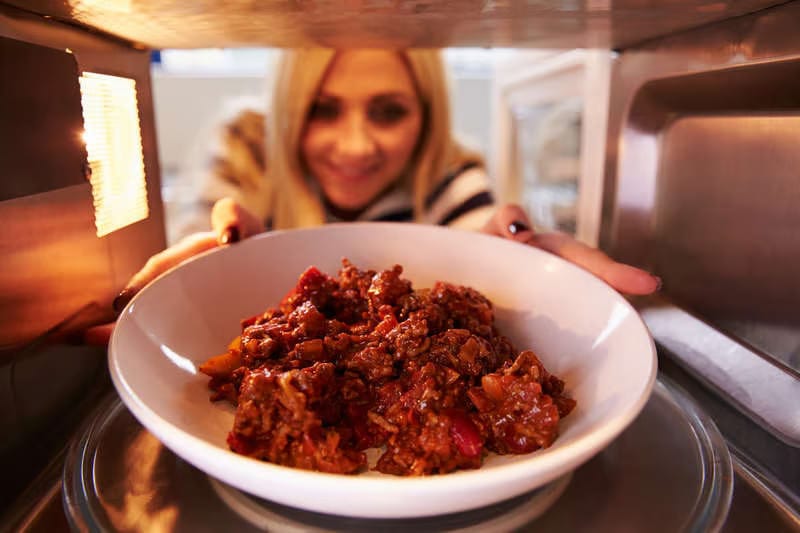
Microwaves offer convenience but can unevenly heat food.
- Use Microwave-Safe Containers: Avoid plastic containers that can release harmful chemicals when heated.
- Cover Your Food: Cover with a microwave-safe lid or damp paper towel to retain moisture.
- Heat in Intervals: Heat in short bursts (1-2 minutes), stirring between intervals.
How to Reheat These Tricky Leftovers

1. How to Reheat Eggs
Reheating eggs can be tricky because they tend to become rubbery.
- Oven: Preheat to 300°F (150°C). Place eggs on a baking sheet and cover with foil. Reheat for about 10 minutes.
- Microwave: Use the microwave at 50% power in 30-second intervals, stirring gently between each.
2. How to Reheat Grains
Grains like rice, quinoa, and barley can dry out or become mushy.
- Stovetop: Add a splash of broth or water to the grains in a saucepan. Cover and heat over medium-low, stirring occasionally.
- Microwave: Place grains in a microwave-safe bowl with a damp paper towel on top. Microwave in 1-minute intervals, fluffing with a fork in between.
3. How to Reheat Fried or Baked Foods
Maintaining the crispiness of fried or baked foods is essential.
- Oven: Preheat to 375°F (190°C). Place food on a baking sheet and reheat for 10-15 minutes.
- Air Fryer: Use an air fryer set to 350°F (175°C) for 5-7 minutes to revive the crispiness.
4. How to Reheat Pizza
Pizza can be reheated to retain its crispy crust and gooey cheese.
- Oven: Preheat to 375°F (190°C). Place pizza on a baking sheet and bake for 10 minutes.
- Stovetop: Heat a skillet over medium heat. Place pizza in the skillet and cover. Heat for 5-7 minutes until the crust is crispy.
5. How to Reheat Pasta
Reheating pasta without turning it into a mushy mess requires attention.
- Stovetop: Place pasta in a saucepan with a splash of water or sauce. Heat over medium, stirring gently.
- Oven: Preheat to 350°F (175°C). Place pasta in an oven-safe dish, cover with foil, and bake for 15-20 minutes.
6. How to Reheat Shrimp
Shrimp can become rubbery if overheated.
- Stovetop: Heat a skillet over medium-low heat. Add shrimp and a splash of oil or broth. Heat gently until warmed through.
- Microwave: Place shrimp in a microwave-safe dish with a damp paper towel on top. Heat in 30-second intervals, checking often.
Reheating leftovers doesn't have to be a challenge. With these tips, you can ensure your meals remain delicious and nutritious. Remember, each type of food has its quirks, so adapt your methods accordingly. Happy reheating!

See other posts like this one:

Thursday, June 27, 2024
Discover the Game-Changing Benefits of Pickleball and How to Get Started

Thursday, June 27, 2024
Your Best Year Yet Eight Proven Strategies to Make Fitness Resolutions Stick in 2023

Thursday, June 27, 2024
Discover Fitness Trends on TikTok That Actually Work (and a Couple to Skip)




Thursday, June 27, 2024
Stay Sharp Stay Strong 10 Brain Exercises to Keep Your Mind Sharp at Any Age

Thursday, June 27, 2024
Get Fit Anywhere with These 6 Chair Exercises for a Full-Body Workout

Wednesday, June 26, 2024
The Ultimate Kettlebell Workout for Women Over 50 That Boosts Strength and Mobility