

Friday, November 15, 2024
Is a High-Protein Diet Right for You?
Discover the benefits of a high-protein diet for weight loss, muscle building, and healthy aging. Learn how much protein you need, top food sources, and tips to personalize your intake for optimal results.
High-protein diets are everywhere—from gym talk to grocery store shelves, they’re a hot trend. But is it the right choice for you? Let’s explore why protein matters, how much you need, and whether a high-protein diet could help you reach your health goals.
Why Is Protein Important?
Protein is like the body’s all-purpose tool. It helps:
- Keep your body running smoothly.
- Make enzymes, hormones, and immune cells.
- Build and repair tissues.
When you eat protein, your body breaks it down into amino acids—the building blocks for essential bodily functions.
There are three types of amino acids:
- Nonessential amino acids: Your body usually makes enough of these on its own.
- Conditional amino acids: Your body makes these, but you may need more during stress or illness.
- Essential amino acids: Your body can’t produce these, so you must get them from food.
Why More Protein Might Be Better
Studies suggest eating more than the minimum recommended protein can help:
- Boost metabolism.
- Increase feelings of fullness.
- Preserve muscle.
These benefits are particularly important for healthy aging, weight management, and staying active.
How Much Protein Do You Need?
The standard recommendation is 0.36 grams of protein per pound of body weight daily. However, for most people—especially those who are active, aging, or aiming to lose weight—more protein is ideal. A better target is:
- Example: If you weigh 150 pounds, aim for 90–150 grams of protein daily.
- 0.6 to 1 gram of protein per pound of body weight.
For intense activity or muscle building, even higher intakes (up to 2 grams per pound) are safe for healthy people. But balance is key—find what works best for your body.
Why High-Protein Diets Help with Weight Loss
Here’s why high-protein diets are great for weight management:
- Protects muscle while burning fat: When losing weight, protein preserves muscle mass, keeping your metabolism active.
- Keeps you full: Protein curbs hunger and cravings, helping you eat less overall.
- Boosts metabolism: Protein burns more calories during digestion compared to carbs or fats.
For weight loss, aim for about 0.73 grams of protein per pound of body weight, or base your intake on your goal weight.

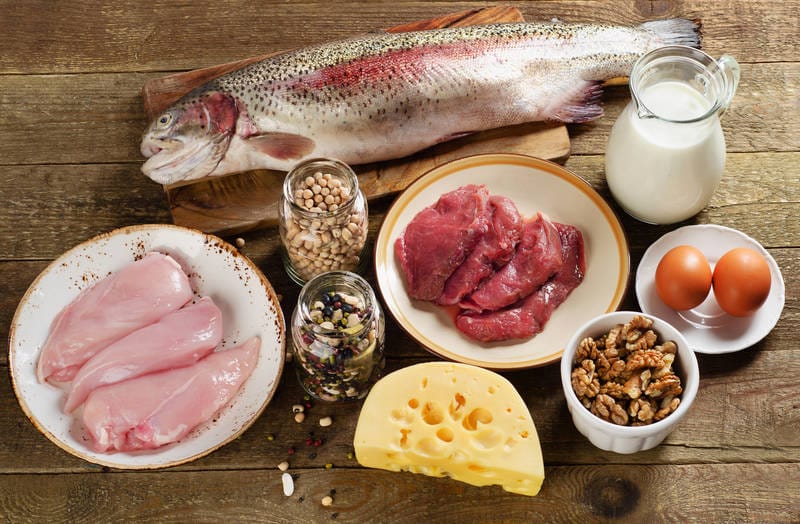
Top Protein Sources for Weight Loss
Focus on high-quality, nutrient-rich protein options, such as:
- Supplements: Whey or plant-based protein powders.
- Plant-Based: Lentils, beans, nuts, and seeds (though less protein-dense).
- Eggs: Especially from pasture-raised hens.
- Dairy: Greek yogurt, cottage cheese, kefir.
- Seafood: Wild-caught salmon, sardines, trout, etc.
- Meat & Poultry: Lean cuts from grass-fed or pasture-raised animals.
Sample Menu for 110g of Protein (150-pound person):
- 5 ounces salmon: 28g
- 1 cup lentils: 18g
- 1 cup Greek yogurt: 22g
- 1 whey protein shake: 25g
- 3 whole eggs: 18g
Who Benefits from a High-Protein Diet?
A high-protein diet is great for:
- Managing cravings or maintaining weight.
- Recovery from surgery or injury.
- Those over 50 wanting to maintain muscle mass.
- People aiming to lose fat while keeping muscle.
- Athletes or active individuals.
Even genetic factors, like certain "fat genes," may make some people respond particularly well to high-protein diets for weight loss.
Can You Eat Too Much Protein?
The idea that protein harms kidneys is a myth for healthy people. Intakes up to 4.4 grams per kilogram (2 grams per pound) are safe. However:
- Occasional lower protein days or fasting may have anti-aging benefits.
- Too much protein at once can be hard on digestion.
- Eating protein every 2–3 hours isn’t necessary.
The Bottom Line
A high-protein diet can support weight loss, preserve muscle, and help you feel energized and full. But everyone’s needs are different. Consider your:
- Health goals.
- Age.
- Activity level.
If you’re unsure, consult a healthcare provider or nutritionist to create a plan that fits you. With the right approach, protein can be a powerful tool for a healthier you!
See other posts like this one:
Saturday, June 29, 2024
Can Weekend Workouts Keep You Fit? The Surprising Truth for Fitness Enthusiasts





Friday, June 28, 2024
Transform Your Workout Routine with Simple Pilates Strength Training for Beginners

Friday, June 28, 2024
Say Goodbye to Crunches Discover 8 Ab Workouts That Will Transform Your Core



Friday, June 28, 2024
How Long Should You Hold a Plank? Discover the Secrets to a Stronger Core



Thursday, June 27, 2024
Keep Your Blood Flowing 7 Exercises to Boost Circulation in Your Legs and Feet


Thursday, June 27, 2024
Discover the Game-Changing Benefits of Pickleball and How to Get Started



