Wednesday, June 12, 2024
Is Activated Charcoal Good for You? See the Science
Find out if activated charcoal is actually good for you based on scientific evidence. Learn about its potential benefits and drawbacks in this informative post.
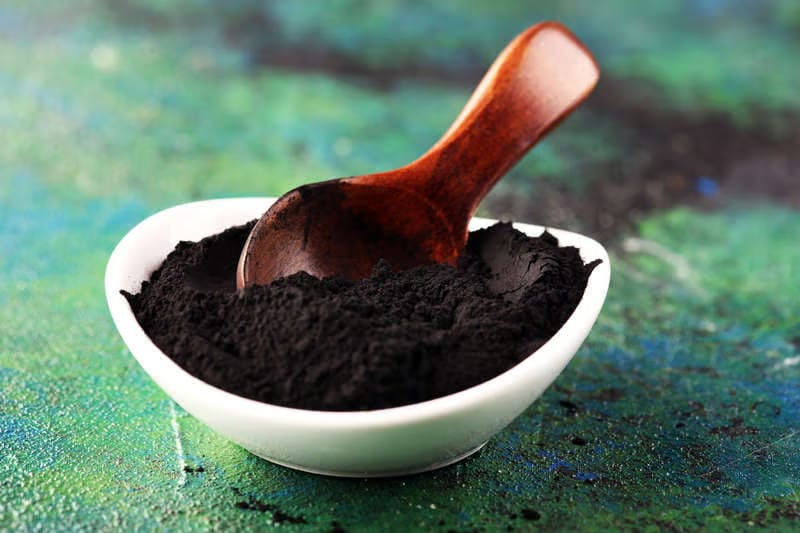
If you haven’t noticed, a surprising ingredient has found its way onto cosmetic, beauty, and healthcare shelves. It’s become a key addition to toothpaste and mouthwashes, soaps, antiperspirants and deodorants, skincare cleansers and masks, shampoos, detox products, and more. What is that ingredient? It’s activated charcoal. This leads to several key questions: What is it? Is activated charcoal good for you? What are its benefits and drawbacks? And should you try it?
What is Activated Charcoal?
Activated charcoal is a form of carbon that has been processed to create a vast surface area, making it extremely porous. This porosity gives it the unique ability to adsorb—not absorb—chemicals, toxins, and impurities. Adsorption is a process where molecules stick to the surface of the charcoal rather than being absorbed into it.
The process of creating activated charcoal involves heating natural carbon sources like wood, coconut shells, or peat to very high temperatures. This heating is done in the presence of gases, which causes numerous tiny pores to form in the substance, vastly increasing its surface area.
The History of Activated Charcoal
Activated charcoal is not a modern discovery; its use dates back to ancient civilizations. The Egyptians used it in the process of smelting ores to produce bronze, while the Phoenicians stored water in charred barrels to keep it fresh during long sea voyages.
In the 19th century, activated charcoal was recognized for its medicinal properties. It was used to treat poisoning and overdoses, a practice that continues in modern medicine. Hospitals often use activated charcoal to treat certain types of poisoning due to its ability to bind toxins and prevent their absorption in the digestive system.
Other Uses of Activated Charcoal
Beyond its historical and medicinal uses, activated charcoal has found a variety of applications:
- Icon: Change the icons in the settings
- Feature: Explain the benefit of your products
- Benefit: Our products are delivered immediately
Benefits and Drawbacks of Activated Charcoal
Benefits
- Emergency Poison Treatment: Its ability to adsorb toxins makes it a staple in emergency rooms for treating overdoses of certain medications and other toxins.
- Digestive Health: Some people take activated charcoal supplements to alleviate gas and bloating.
- Skincare: Activated charcoal is incorporated into cleansers and masks because it can purify the skin by drawing out impurities and excess oils.
- Teeth Whitening: Many people use activated charcoal toothpaste for its ability to remove stains and whiten teeth.
- Detoxification: Activated charcoal binds to toxins and chemicals in the digestive system, helping to flush them out. This is why it's often used in cases of poisoning.

Drawbacks
- Scientific Research: While some benefits are well-documented, others lack sufficient scientific backing. For instance, its effectiveness in teeth whitening and skincare remains a topic of debate.
- Lack of Nutrient Absorption: Regular use may impair the absorption of essential nutrients from food, leading to deficiencies.
- Gastrointestinal Issues: Some users experience constipation or black stools as side effects.
- Interference with Medications: Activated charcoal can interfere with the absorption of medications, rendering them less effective. It's crucial to consult a healthcare provider before using it if you're on medication.
Is Activated Charcoal Good for You?
The answer to this question depends on how you intend to use activated charcoal and your individual health needs. For emergency poison treatment and certain medical uses, activated charcoal is undeniably beneficial. However, for everyday use in beauty and wellness routines, the evidence is mixed.
When It's Beneficial
- Specific Skin Conditions: For individuals with oily or acne-prone skin, activated charcoal masks might help control oil and improve skin clarity.
- Occasional Detox: Using activated charcoal occasionally to detoxify the digestive system may offer benefits, especially if you've been exposed to toxins.
- Medical Emergencies: In cases of certain poisonings and overdoses, activated charcoal can be life-saving.
When to Be Cautious
- Scientific Backing: Be cautious of claims that lack robust scientific support. While many users report positive results, empirical evidence may still be evolving.
- Daily Use: Prolonged daily use can lead to gastrointestinal issues and nutrient absorption problems. Moderation is key.
- Medication Interactions: If you're taking prescription medications, consult your healthcare provider before using activated charcoal, as it can interfere with drug absorption.
Conclusion
Activated charcoal has a storied history and a diverse range of applications that extend from ancient times to modern medicine. Its benefits as a detoxifying agent are well-documented, particularly in emergency medical settings. However, its use in daily wellness and beauty routines requires a nuanced understanding of both its potential benefits and drawbacks.
For eco-conscious consumers and parents considering incorporating activated charcoal into their routines, moderation, and consultation with healthcare professionals are advised. As with any health trend, it’s essential to stay informed and critically evaluate both the scientific evidence and anecdotal claims.
If you're keen to explore the potential benefits of activated charcoal, start with small, controlled applications and monitor your body's response. Remember, the goal is to enhance your well-being sustainably and responsibly.
By staying informed and making judicious choices, you can leverage the benefits of activated charcoal without falling prey to the pitfalls.

See other posts like this one: