
Sunday, June 16, 2024
Is it Time to Reconsider Your Sleep Supplement?
Are you still struggling with restless nights despite taking a sleep supplement? It may be time to reassess your approach and try these alternative options.
With the upcoming time change approaching, many of us are eager to find ways to support better sleep and avoid feeling groggy or drained, which often happens after daylight saving time. While melatonin is a popular choice for millions due to its affordability and availability, it's essential to reconsider your sleep supplement.
Melatonin, known for regulating the sleep-wake cycle naturally, has seen a 150% rise in sales over the last decade. Widely used for combating insomnia and adjusting sleep schedules during travel or time changes, melatonin is generally considered safe at dosages ranging from 5 mg to 50 mg. Despite its advantages, melatonin can lead to adverse effects like headaches, dizziness, nausea, grogginess, anxiety, and vivid dreams – particularly with higher doses.
Valerian root, another common sleep aid with centuries-old usage in promoting relaxation and deeper sleep, also comes with potential side effects such as headaches, dizziness, stomach disturbances, daytime drowsiness, and vivid dreams. It's crucial to note that Valerian root might interact with certain medications and lead to diverse side effects based on individual tolerance levels and usage patterns.
While both melatonin and Valerian root offer benefits in improving sleep quality when used appropriately, it's advisable to start with the lowest effective dosage after consulting with a healthcare professional. Opting for reputable brands ensures product quality aligns with label claims. As health enthusiasts seeking optimal well-being through supplements like these, understanding their effects on our bodies remains key in decision-making for restful nights ahead.

Reconsider Your Sleep Supplement for Deeper, Restful Sleep
Struggling with your current sleep aid? If melatonin or valerian isn't cutting it or causing side effects, don't worry. Some alternative nutrients and herbs can give you the peaceful night's rest you crave.
Magnesium, a powerhouse mineral, regulates your nervous system and promotes relaxation to help you nod off effortlessly. It also aids muscle relaxation to prevent cramps that disrupt sleep.
Vitamin B6 is essential for overall health and helps convert serotonin into melatonin – crucial for regulating your sleep cycle. Research shows it can shorten the time it takes to fall asleep and enhance restfulness.
L-theanine, found in tea leaves, boosts brain levels of calming neurotransmitters like GABA and serotonin without inducing drowsiness. It supports relaxation for easier sleep without the morning grogginess.
Chamomile offers calming effects through apigenin antioxidants, promoting better quality sleep and quicker dozing off. Passionflower reduces anxiety-related brain activity to improve sleep quality.
Lemon balm from the mint family aids in relaxation, mood improvement, and deep sleep by calming both body and mind. It's especially helpful for menopausal sleep disturbances.
Why settle for a single ingredient when combining these powerful nutrients and herbs can deliver superior results? Reassessing your sleep supplement could be the key to achieving more rejuvenating rest and conquering each day refreshed!
Remember, establishing good sleep hygiene practices alongside supplement intake – such as setting a routine, dimming lights at night, and staying warm before bedtime – is essential for crafting a personalized strategy toward achieving optimal slumber quality and waking up revitalized.

See other posts like this one:



Monday, June 24, 2024
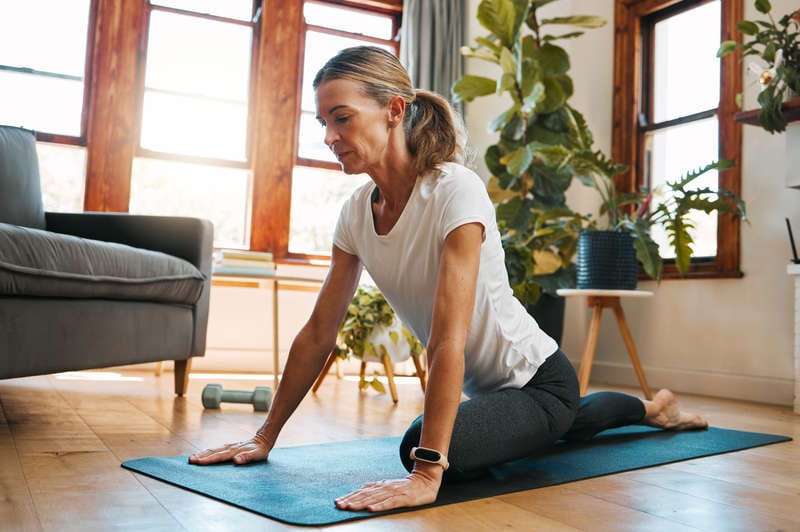
Loosen Up! 7 Essential Hip Flexor Stretches and Exercises for Fitness Enthusiasts





Monday, June 24, 2024
Dance Your Way to Fitness The Ultimate Guide to Hip-Hop Cardio Workouts

Sunday, June 23, 2024
Unleashing Your Hidden Power Understanding Relative Strength in Fitness

Sunday, June 23, 2024
Elevate Your Strength - When You Should Increase Your Weights in the Gym