Monday, June 03, 2024
Is Juicing Good for Weight Loss? See the Science
Discover the truth about juicing for weight loss and whether it's a scientifically proven approach. Learn how to incorporate juicing into your healthy lifestyle today!
Juicing has been celebrated as a quick fix for weight loss—carrying with it the promise of detoxification, a surge in energy levels, and the promotion of overall health through an array of phytonutrients. It's an alluring idea—imagine sipping on a kale and cucumber elixir knowing you’re speeding yourself toward a slimmer version of yourself.
But, as with any health trend, the reality is often quite complex. What does the science say about juicing for weight loss? Is it truly a magic bullet, or is it a fad best eaten, not drunk?
In this comprehensive exploration, we’ll dissect the juicy details of juicing and its impact on weight loss. We'll squeeze out the truth behind the marketing hype and see what the research reveals. Buckle up as we peel back the layers of this health phenomenon to offer you the juiciest details yet.
What is Juicing for Weight Loss?
Juicing is the process of extracting the liquids (and thereby most of the micronutrients) from fruits and vegetables, leaving behind the fibrous pulp. For weight loss, the idea is to replace at least one meal per day with a homemade juice, which proponents claim can lead to a caloric deficit, potentially resulting in weight loss over time.
The Juicing Craze
In recent years, juicing has surged in popularity due to its association with health and wellness. Smoothie and juice bars are on almost every urban street corner, and the hashtag #juicing yields over 9 million posts on Instagram, showcasing the colorful concoctions that have become a symbol of health and vitality.
What to Juice?
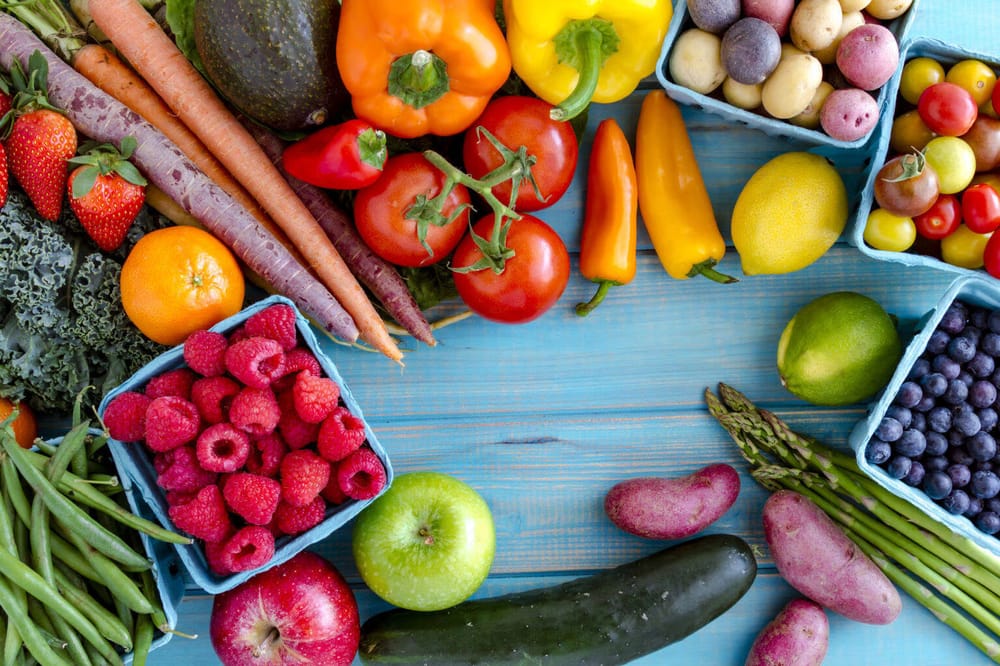
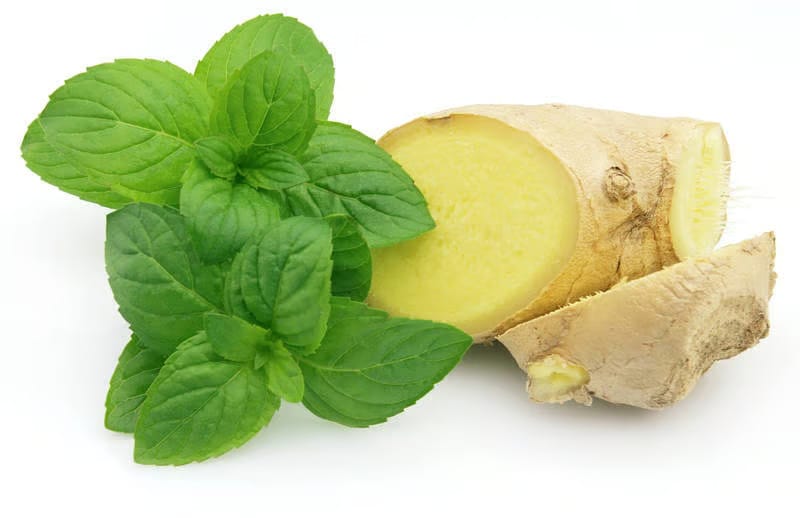
Commonly juiced fruits and vegetables include kale, spinach, beetroot, apples, ginger, and celery. These ingredients are often chosen for their high content of vitamins, minerals, and antioxidants.
What are the Benefits of Juicing?
The selling point of juicing is that it offers a convenient way to increase your intake of fruits and vegetables, especially for those who struggle to eat the recommended daily servings. In a single glass of juice, one can consume a variety of nutrients that would typically require consuming a plethora of whole fruits and vegetables.
Nutritional Punch
Fresh fruit and vegetable juices are a concentrated source of vitamins, minerals, and phytonutrients. These compounds have antioxidant properties that can help protect cells from damage and reduce inflammation, which in turn may aid in weight loss by improving overall health.
Juicing for Weight Loss Methods
There are several methods for incorporating juicing into a weight loss regime, each with its own set of guidelines and claimed benefits.
Juice Fasts
A juice fast typically involves consuming nothing but fruit and vegetable juices for a set period, during which solid foods are eliminated. Advocates suggest that this can ‘reset’ the digestive system and boost metabolism, although there is little scientific evidence to support these claims.
Juice Diets
Juice diets involve consuming juices as meal replacements. These can be supplemented with nuts, seeds, or other sources of protein and fat for a more balanced nutrient intake. The idea is to reduce overall calorie intake while ensuring the body still receives the essential nutrients it needs to function.

Juicing for Weight Loss Claims and Drawbacks
Promises of Quick Weight Loss
Juicing is often marketed as a quick fix for weight loss, with some programs claiming you can lose several pounds in just a few days. While it's true that a significant calorie deficit can lead to weight loss, the sustainability and health implications of such rapid weight loss are questionable.
Nutrient Loss and Unintended Caloric Surpluses
Juicing strips away the fiber from fruits and vegetables, which plays an important role in digestion and satiety. It also means that fruit juices, in particular, can be high in sugar and calories, without the filling effect of their fibrous counterparts.
Sustainability
One of the main criticisms of juicing for weight loss is its sustainability as a long-term dietary habit. Most people find it difficult to stick to a regime that can be time-consuming (due to the preparation of fresh produce) and socially isolating (as it can be challenging to find appropriate options while eating out or socializing).
Is Juicing Good for Body Detox?
The idea that juicing can detox the body is pervasive but not entirely backed by science. The human body is well-equipped with organs, such as the liver and kidneys, that naturally eliminate toxins. While certain compounds in fruits and veggies can support these processes, there is little evidence to suggest that juicing is a superior method for detoxification.
Natural Detoxification
Our bodies have evolved to neutralize and eliminate toxins we consume through our diet or environment. The liver and kidneys are the main organs responsible for this process, and they do a fantastic job of removing most harmful substances we come into contact with.
The Role of Phytonutrients
Many fruits and vegetables contain compounds such as flavonoids and catechins, which have been shown to support the body’s natural detox systems. However, the idea that juicing is necessary for the consumption of these compounds is a stretch.
Are There Any Benefits to Juicing for Weight Loss?
The Convenience Factor
There's no denying that juicing is a convenient way to consume a high volume of nutrients in one serving. For those who have difficulty chewing or digesting certain foods, juices can be a palatable option to ensure adequate nutrient intake.
Encouragement of Healthy Eating
For some, juicing may serve as a gateway to healthier eating habits, encouraging the consumption of more whole fruits and vegetables. The more we expose ourselves to the taste and texture of these foods, the more likely we are to incorporate them into our regular diet—ideally, in their whole form.
Challenges with Consistency
Juicing can be a difficult practice to maintain over the long term. While it might be an effective short-term method for jumpstarting a weight loss regimen, adopting sustainable dietary changes that incorporate the benefits of juicing, such as an increased intake of micronutrients, might be a more feasible approach for long-lasting results.
Relative Cost
Juicing can be an expensive habit. The high volume of produce required for regular juicing, combined with the cost of a juicer, can add up quickly. For those on a tight budget, this can be a significant deterrent to starting or maintaining a juicing regime.
The Bottom Line
Whether juicing is an effective strategy for weight loss depends largely on the context in which it is used. For some, it may serve as an initial step in a larger dietary overhaul, encouraging the consumption of more nutrient-dense foods.
For others, the sustainability and potential health risks of a juicing-focused diet may outweigh the benefits. Remember, there is no one-size-fits-all approach to weight loss and health. It's essential to take a balanced and individualized approach that considers your unique nutritional needs, lifestyle, and health goals.
In the quest for health and vitality, the best path forward is one that is based on evidence, sustainable dietary changes, and a commitment to long-term lifestyle habits. Juicing may be a part of that path for some, but it is unlikely to be the sole road to weight loss and wellness.
Now that you've seen the science behind juicing for weight loss, it's time to decide for yourself. Will you jump on the juicing bandwagon, or will you opt for more traditional—and sustainable—methods of achieving and maintaining a healthy weight? The choice is yours, and as always, it's best to make an informed one. After all, in the ongoing debate of to juice or not to juice, knowledge is your juiciest ally.

See other posts like this one:

Friday, June 07, 2024
Understanding Overeating and Undereating: Recognizing the Signs and How to Address Them