Saturday, June 15, 2024
Is Meditation as Powerful as Medicine for Anxiety?
Discover the potential benefits of using meditation to ease anxiety symptoms and whether it can be just as effective as traditional medication. Nourish your mind and body with this holistic approach today.
Anxiety disorders are among the most common mental health issues worldwide. With symptoms ranging from panicky breathing and a pounding heart to worry loops that can cycle for hours, the need for effective treatments - or even a cure - has never been more pressing. Traditional methods such as medication and psychological therapy have long been the go-to options for those seeking relief, but a new contender has entered the ring - mindfulness meditation.
What is Anxiety Disorder?
Before we can compare treatment options, it’s important to understand what we’re treating. Anxiety disorder isn’t just regular feelings of nervousness or fear in response to specific, everyday events. It’s a persistent mental health condition that can cause severe distress and interfere with daily life. It’s characterized by excessive, often irrational, worry, and sometimes physical symptoms like tension, restless sleep, and chronic indigestion.
Treatment Options for Anxiety Disorders
When it comes to treating anxiety, a multi-modality approach is often recommended. This can include lifestyle adjustments (such as regular exercise and a balanced diet), psychotherapy (including talk therapy and cognitive-behavioral therapy), and medications (like anti-anxiety drugs and antidepressants). But in recent years, mindfulness practices - and specifically meditation - have been gaining traction as a supplementary, or even primary, treatment.
Medication
Medication, especially those in the benzodiazepine and selective serotonin reuptake inhibitor (SSRI) classes, can bring relief to anxiety sufferers. However, they can also come with a list of side effects that is not to be ignored. Sexual dysfunction, gastrointestinal issues, drowsiness, and even increased anxiety can be among the unwelcome effects, blurring the line between treatment and new symptoms.
Psychotherapy
Therapies like cognitive-behavioral therapy (CBT) and exposure therapy have been proven successful in helping individuals manage and conquer their anxiety. The key challenge with these methods is that they require time, a good therapist-patient relationship, and a willingness to engage with uncomfortable thoughts and emotions.
Lifestyle Adjustments
From creating a regular sleep schedule to practicing relaxation techniques, lifestyle changes can have a substantial positive impact on anxiety. However, implementing these changes and seeing results can often take time and considerable effort.
Mindfulness
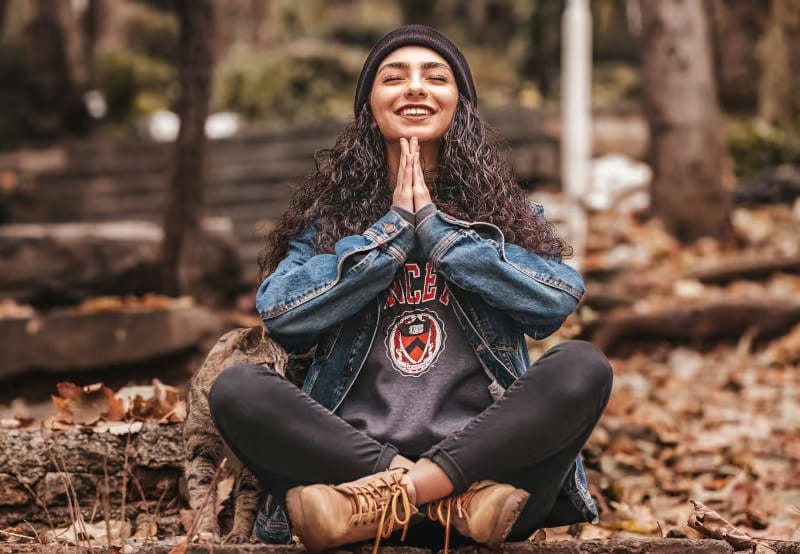
Here is where the practice of mindfulness meditation takes center stage. With the backing of numerous scientific studies, mindfulness is a powerful tool for reducing anxiety. It’s accessible, cost-effective, and can be done alone, at home, or with a community of like-minded practitioners. But just how effective is it when compared to traditional treatments?
Medication vs. Mindfulness: What’s Better?
When it comes to managing anxiety, the question of medication versus meditation is a personal one. Medication can provide quick relief, but meditation can offer lasting benefits without the long-term side effects.
One study found that combining medication with mindfulness practices yielded the most benefit. However, for those looking to avoid or wean off of medication, meditation has shown promise in reducing anxiety over time, sometimes on par with pharmaceutical treatments.
It's not just about efficacy, though. It's also a matter of side effects. While mindfulness may not come with a printed list of potential complications, it does require the commitment to practice regularly and the discipline to develop a new habit. For some, the mental clarity and self-awareness that comes with meditation is a preferable alternative to the cognitive dulling that can be a side effect of anti-anxiety medications.
Mindfulness: There's an App for It
In today’s tech-savvy society, there’s no shortage of tools to help introduce and maintain a meditation practice. Here are some popular mindfulness apps that can bring meditation into your life, no matter how busy or chaotic it may be:
Buddhify
Buddhify offers a variety of guided meditations designed for different parts of your day, from early morning to a work break, and even for those times when you’re having trouble sleeping.
Calm
With a focus on relaxation and sleep, Calm also provides guided meditations to reduce anxiety and stress. It’s a popular choice among those who struggle with relaxation and insomnia.
Headspace
One of the most well-known apps, Headspace, offers a structured program to help build your mindfulness practice. It also includes mini-meditations for quick sessions that can be done anywhere.
Insight Timer
Insight Timer provides a breadth of meditation practices, from mindfulness to loving-kindness meditations. It also features a community aspect, where you can join groups and challenges to stay motivated.
Waking Up
Developed by neuroscientist and philosopher Sam Harris, Waking Up offers a thoughtful approach to meditation and its relationship with our understanding of the mind.
10% Happier by Dan Harris
Aimed at skeptics and busy people, the 10% Happier app offers a no-nonsense approach to meditation. It includes personal coaching and a library of content to explore.
Aura
Aura’s unique aspect is its AI coach, which designs meditation practices based on your feedback and progress. It’s like having a personal meditation trainer in your pocket.
Meditation Studio
This app features a wide range of meditation styles and teachers, and it’s known for its high-quality content and aesthetics.
Each of these apps has its approach and style, so it’s worth trying out a few to see which resonates with you.
Choosing the Right Solution for You
In the end, the decision between medication and meditation for anxiety is not an either-or proposition. Instead, it’s about finding the right balance for your unique situation. Medication can provide immediate relief while you build the skills to manage anxiety on your own through mindfulness practices. When you’re ready, meditation can serve as a long-term, sustainable solution that empowers you to take control of your mental health without the potential drawbacks of long-term drug use.
It’s always best to consult with a mental health professional to discuss your anxiety treatment options. They can help you evaluate the benefits and drawbacks of each method and guide you on the path to relief that’s right for you. It’s also important to remember that no single approach works for everyone, and that includes medication, therapy, and yes, even meditation.
In the quest to find the best treatment for anxiety, mindfulness meditation has proven to be a powerful ally. The research is growing, and the anecdotal evidence is compelling. Whether it’s used alone or in conjunction with traditional methods, meditation’s place in the healing arts is increasingly secure. With daily practice, it’s possible that stillness of mind can be not just a dream, but a daily reality. When it comes to combatting anxiety, it seems that sometimes the most powerful medicine is the one we create within ourselves.

See other posts like this one:







Saturday, June 15, 2024
Sleeping Naked - Health Risks Or Bedtime Blessing? The Pros and Cons