Thursday, June 05, 2025
11 Unusual Signs Your Liver May Be in Serious Trouble
Discover 11 unusual signs of liver problems that most people ignore. Learn the early symptoms of liver damage and how to protect your liver before it’s too late.
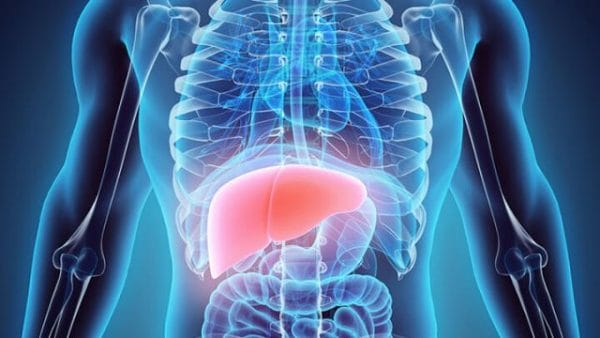
Your liver works hard behind the scenes — quietly detoxifying your blood, metabolizing medications, storing energy, and aiding digestion. Most people don’t think about their liver until something goes wrong. But here’s the truth: liver disease often develops silently, with subtle symptoms that are easy to miss or misread.
Ignoring these early signs can be dangerous. Left untreated, liver dysfunction can progress to irreversible damage, cirrhosis, or even liver failure.
So how do you know if your liver is trying to signal distress?
Here are 11 strange — but important — signs that your liver may be in trouble.
1. Yellowing of the Skin or Eyes (Jaundice)
Jaundice occurs when bilirubin, a yellowish substance produced during the breakdown of red blood cells, builds up in your body. Normally, your liver filters out bilirubin. But when the liver is compromised, bilirubin spills into the bloodstream, turning your skin and the whites of your eyes yellow.
Why it matters: Jaundice is a classic sign of liver dysfunction. It can also point to blocked bile ducts, hepatitis, or other serious liver diseases. It’s not something to ignore — especially in adults.
2. Swelling in the Legs, Ankles, or Feet
Your liver helps regulate the body’s fluid balance. When it’s not working properly, fluid (known as edema) can pool in the lower extremities, thanks to gravity. This swelling is often painless but persistent.
Why it matters: Swollen ankles might be shrugged off as fatigue or poor circulation, but when liver function is impaired, your body can't process fluids efficiently. If the swelling doesn’t go away with rest, it's worth a medical check-up.
3. Loss of Appetite and Unexplained Weight Loss
Suddenly skipping meals? Dropping pounds without trying?
Liver dysfunction interferes with digestion and nutrient absorption. It can also dull your appetite altogether.
Why it matters: Many people chalk up appetite loss to stress or a busy schedule. But when your liver struggles to break down food or fats, it can lead to unintentional weight loss — a warning sign of deeper health issues.
4. Frequent or Unexplained Diarrhea
Loose, frequent stools can signal your digestive system isn’t absorbing fats properly — a common issue when the liver or gallbladder isn't functioning well.
Why it matters: Occasional diarrhea happens. But if it’s frequent, persistent, or accompanied by other symptoms (like fatigue or bloating), it could point to liver problems affecting bile production.
5. Bruising Easily or Bleeding More Than Usual
Your liver produces proteins essential for blood clotting. When it's damaged, this process slows down, making you more prone to bruises or prolonged bleeding — even from minor bumps or cuts.
Why it matters: Easy bruising may seem harmless at first. But it's a sign that your body isn’t clotting properly, which often links back to reduced liver function.
6. Chronic Fatigue and Brain Fog
Feeling exhausted, drained, or mentally foggy most days? Liver dysfunction might be the cause.
When toxins aren’t properly filtered out by the liver, they circulate in your bloodstream — including to your brain. This can lead to a persistent lack of energy and cognitive issues.
Why it matters: Fatigue from liver issues tends to be unrelenting. You might sleep a full night and still wake up feeling wiped. Pair that with mood swings or forgetfulness, and it could point to a liver in distress.

7. Dark-Colored Urine and Light-Colored Stool
Your urine should typically be light yellow. If it turns dark brown or amber (and you're well-hydrated), your liver may be leaking excess bilirubin into your system.
At the same time, pale or clay-colored stools can indicate a lack of bile — another sign that your liver isn’t working as it should.
Why it matters: These changes can be among the earliest indicators of liver disease — particularly hepatitis or bile duct obstructions.
8. Pain in the Right Shoulder or Upper Abdomen
Liver tumors or an enlarged liver can press on nearby nerves and tissues, causing referred pain in the right shoulder or under the ribs.
Why it matters: This pain often goes unnoticed or misattributed to muscle strain. If it’s persistent and unexplained — especially with other liver-related symptoms — it should be evaluated.
9. Nausea, Vomiting, and Digestive Discomfort
When liver function drops, your digestive system struggles. This can cause bloating, nausea, and even chronic vomiting — especially after eating fatty foods.
Why it matters: If eating consistently makes you feel sick, your body is clearly sending a distress signal. Don't dismiss regular digestive upset as just a “sensitive stomach.”
10. Personality Changes and Mental Confusion
One of the more alarming signs of liver failure is a condition called hepatic encephalopathy. As toxins build up in the blood and reach the brain, they can cause confusion, mood swings, irritability, and changes in sleep patterns.
Why it matters: If you or someone close to you is experiencing memory problems, poor concentration, or strange changes in personality, liver health might be to blame.
11. Hiccups and Unexplained Fullness
A less-known symptom of liver problems is persistent hiccups. Liver inflammation or tumors can irritate the diaphragm, triggering chronic hiccups and a feeling of fullness.
Why it matters: Hiccups may seem minor, but when they persist and accompany other liver-related symptoms, they shouldn’t be brushed off.
Is Your Doctor Overlooking These Liver Health Red Flags?
If you’ve been told “everything looks normal” — yet you’re battling fatigue, weight gain, or brain fog — your liver could be crying for help.
Many early liver warning signs fly under the radar or get mistaken for stress, poor sleep, or age. But liver disease is more common than most people think — and it can be reversed if caught early.
The Good News: You Can Support Your Liver Starting Today
When your liver gets the nutrients and support it needs, it can regenerate and heal. That means:
- Better mood and sleep
- Easier weight loss
- Healthier digestion
- Sharper thinking
- More energy

See other posts like this one:









Sunday, July 07, 2024
Discover the Delightful Benefits of Sweet Potatoes for Your Health and Palate


Sunday, July 07, 2024
Wholesome Snacking Made Delicious with Vanilla Almond Butter Protein Granola